CM Yogi launches 342 civic projects worth ₹413 cr in Lucknow
Synopsis
Chief Minister Yogi Adityanath on 26 May 2026 inaugurated and laid foundation stones for 342 public-welfare projects worth ₹413 crore under the Lucknow Municipal Corporation at Indira Gandhi Pratishthan, releasing a booklet tied to the 'Swachh-Sundar-Samarth Lucknow' urban renewal drive.
Key Takeaways
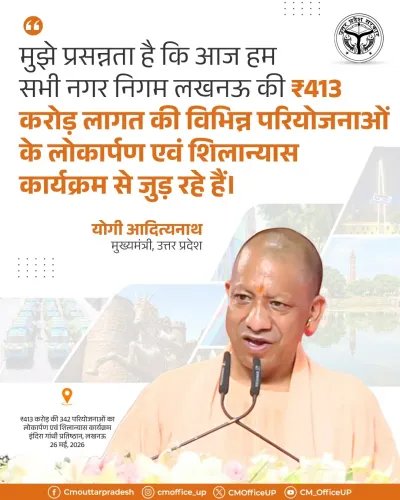
342 public-welfare projects of the Lucknow Municipal Corporation were inaugurated or had foundation stones laid at a single event on 26 May 2026 .
The combined project cost is ₹413 crore , funded through the municipal body.
The event was held at Indira Gandhi Pratishthan, Lucknow , with CM Yogi Adityanath as the chief guest.
CM Yogi released a booklet on the 'Swachh-Sundar-Samarth Lucknow' ('Clean-Beautiful-Capable Lucknow') initiative.
The initiative aligns with the national Swachh Bharat Mission and AMRUT urban infrastructure scheme.
Lucknow residents are the primary beneficiaries, with improved sanitation, public spaces, and civic amenities expected.
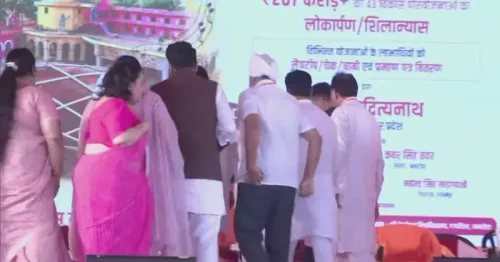
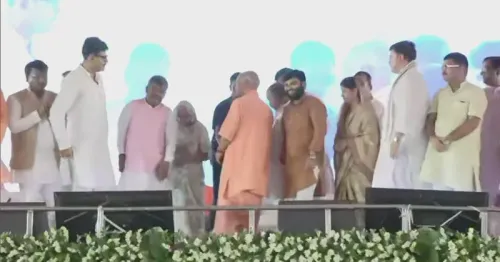
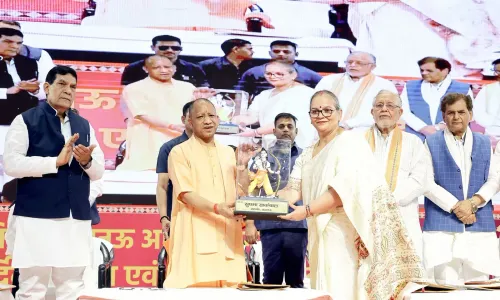
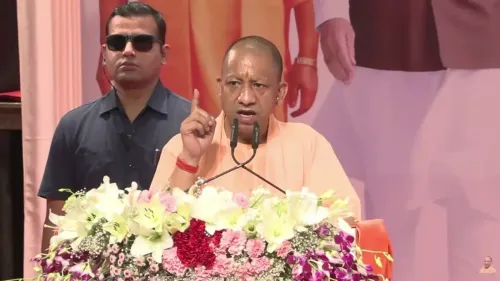
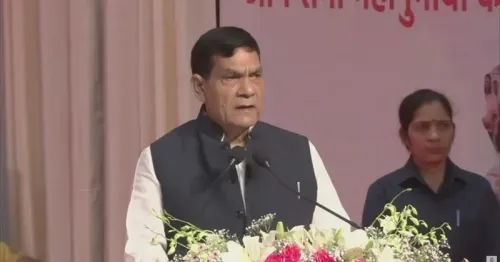
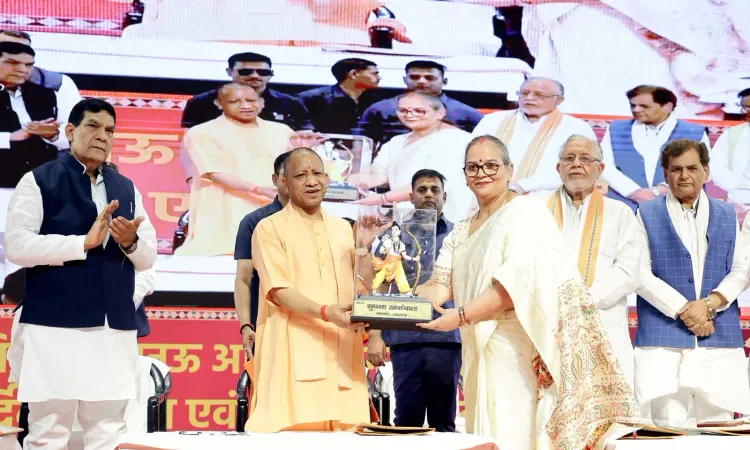
The Chief Minister's Office of Uttar Pradesh announced on Tuesday, 26 May 2026, that Chief Minister Yogi Adityanath participated in a landmark municipal event at Indira Gandhi Pratishthan, Lucknow, where the Lucknow Municipal Corporation inaugurated and laid foundation stones for 342 public-welfare projects valued at a combined ₹413 crore.
Context
The event, held under the banner 'Swachh-Sundar-Samarth Lucknow' ('Clean-Beautiful-Capable Lucknow'), brought together civic officials, municipal councillors, and residents at one of the state capital's premier convention venues. CM Yogi released a booklet tied to the 'Swachh-Sundar-Samarth Lucknow' initiative and inspected various stalls set up by the Lucknow Municipal Corporation showcasing ongoing and upcoming civic work. The dual format — lokarpan (inauguration of completed works) and shilnyas (foundation-laying for new ones) — signals both delivery on earlier commitments and fresh investment in the city's infrastructure.
Policy Backdrop
The 'Swachh-Sundar-Samarth' framing draws directly from the national Swachh Bharat Mission, launched in 2014, which set cleanliness and sanitation as measurable urban priorities. Parallel funding through the AMRUT scheme (Atal Mission for Rejuvenation and Urban Transformation), initiated in 2015, has channelled resources into water supply, drainage, and green-space upgrades in cities including Lucknow. The Uttar Pradesh government under Yogi Adityanath — in office since 2017 — has regularly staged cluster inaugurations of municipal projects, positioning them as evidence of accelerated urban service delivery in the state capital and other major cities.
Stakeholders and Impact
The primary beneficiaries are Lucknow's residents, who stand to gain from improved sanitation infrastructure, public spaces, roads, drains, and community facilities once the 342 projects are executed. The Lucknow Municipal Corporation, as the implementing body, will be responsible for project execution, contractor oversight, and quality assurance across the portfolio. Urban local bodies in other Uttar Pradesh cities may also draw on this model, as comparable events have been held under the same administration in cities such as Kanpur, Varanasi, and Agra.
What's Next
Attention will now shift to the timelines for completing the newly launched projects and whether the municipal corporation will publish a public-facing dashboard or progress report on the ₹413 crore outlay. Any follow-up announcements on additional state or central funding — particularly under AMRUT 2.0 or the Smart Cities Mission — will determine the broader scale of Lucknow's urban renewal push. Performance audits and citizen feedback mechanisms, if activated, will be key to translating the 'Swachh-Sundar-Samarth' vision into measurable on-ground outcomes.
Point of View
Tying local civic work to the nationally popular Swachh Bharat identity while adding an aspirational 'Samarth' (capable) dimension that signals economic uplift alongside cleanliness. At ₹413 crore for a single city in a single announcement, the scale also underscores the growing fiscal heft of urban local bodies in UP under the current administration. Whether execution matches the optics will depend on project completion rates and independent assessments of quality — metrics that have historically lagged behind inauguration announcements in Indian municipal governance.
NationPress
22 Oct 2026
Frequently Asked Questions
What is the Swachh-Sundar-Samarth Lucknow initiative?
'Swachh-Sundar-Samarth Lucknow' — meaning 'Clean-Beautiful-Capable Lucknow' — is an integrated urban renewal drive by the Lucknow Municipal Corporation focusing on sanitation, public aesthetics, and civic service delivery, aligned with the national Swachh Bharat Mission.
How many projects were launched by CM Yogi in Lucknow on 26 May 2026?
A total of 342 public-welfare projects of the Lucknow Municipal Corporation were either inaugurated or had their foundation stones laid at the event on 26 May 2026.
What is the total cost of the Lucknow Municipal Corporation projects announced by CM Yogi?
The 342 projects carry a combined cost of ₹413 crore, funded through the Lucknow Municipal Corporation.
Where was the Lucknow municipal project inauguration event held?
The event was held at Indira Gandhi Pratishthan, a major convention centre in Lucknow regularly used for government project launches and public events.
How does AMRUT scheme relate to Lucknow's urban development?
The AMRUT (Atal Mission for Rejuvenation and Urban Transformation) scheme, launched in 2015, has provided central funding for water supply, drainage, and urban infrastructure upgrades in cities including Lucknow, complementing state-level municipal investment drives.