CM Yogi Sets Lucknow Municipal Corporation No.1 Swachh Target
Synopsis
Uttar Pradesh Chief Minister Yogi Adityanath has publicly directed Lucknow Municipal Corporation to reach the number-one position in India's annual Swachh Survekshan cleanliness ranking, intensifying the state's competitive push under the Swachh Bharat Mission framework.
Key Takeaways
CM Yogi Adityanath on 26 May 2026 publicly mandated that Lucknow Municipal Corporation must achieve the top rank in the national cleanliness survey.
The directive targets the Swachh Survekshan , an annual ranking run by the Ministry of Housing and Urban Affairs since 2016 .
Swachh Survekshan is part of the Swachh Bharat Mission , launched in October 2014 , which uses competitive rankings to drive municipal performance.
Uttar Pradesh has been pursuing steady improvements in cleanliness rankings through waste-processing infrastructure and municipal reforms since 2017 .
A top ranking would position Lucknow to attract additional central and state funding and deliver improved sanitation services to its residents.
The next Swachh Survekshan results will be the key measure of whether the mandate translates into on-ground performance.
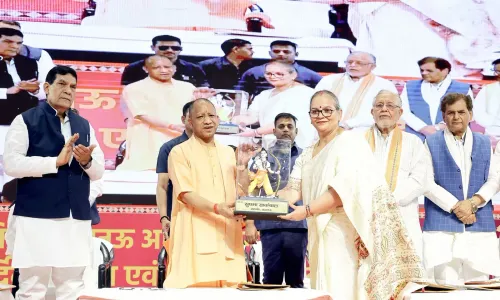
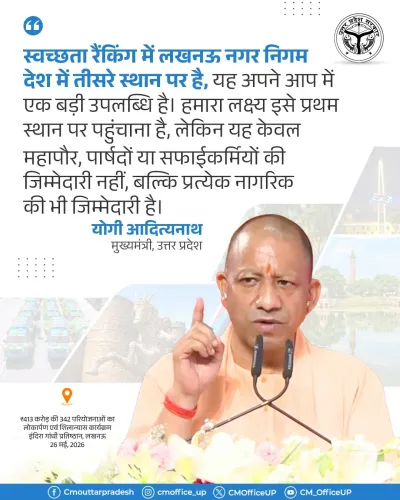
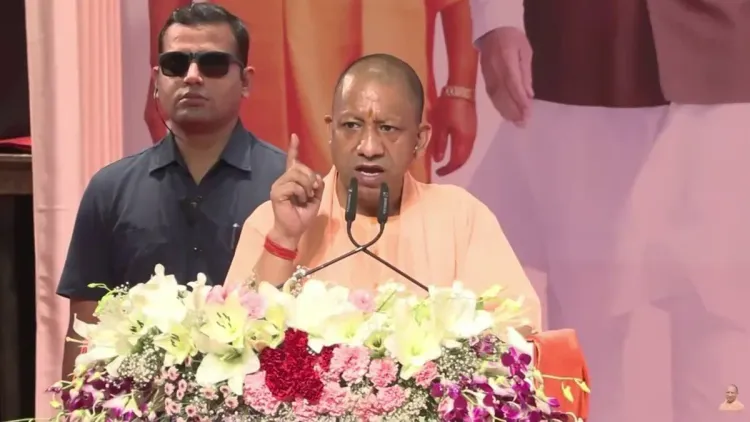
Uttar Pradesh Chief Minister Yogi Adityanath on Tuesday, 26 May 2026 publicly directed that Lucknow Municipal Corporation must be brought to the number-one position in the national cleanliness ranking, signalling a renewed administrative push ahead of the next Swachh Survekshan cycle.
Context
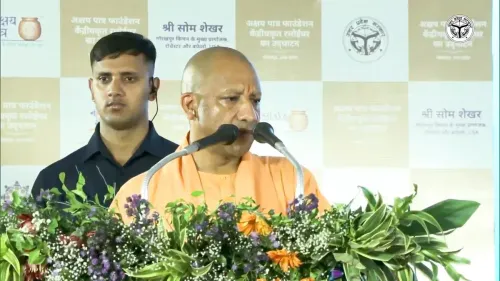
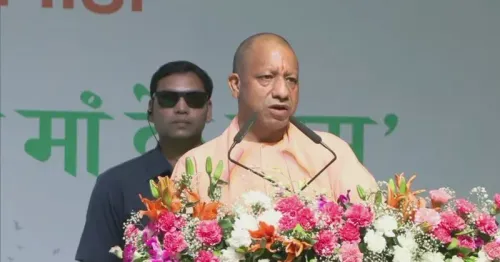
In his post on X, CM Yogi stated — 'स्वच्छता रैंकिंग में नगर निगम, लखनऊ को नंबर-1 पर लेकर आना है' — meaning: 'Lucknow Municipal Corporation must be brought to the number-one position in the cleanliness ranking.' The statement is direct and goal-oriented, framing the top rank not as an aspiration but as an operational mandate for the civic body.
The post was accompanied by a video, suggesting it may be a clip from a review meeting or a public address where the Chief Minister issued this directive to municipal officials.
Policy Backdrop
The Swachh Survekshan is an annual competitive ranking survey conducted by the Ministry of Housing and Urban Affairs to evaluate city-level cleanliness, solid-waste management, and citizen feedback. Introduced in 2016 as part of the broader Swachh Bharat Mission — launched nationally in October 2014 — the survey has grown into a key accountability mechanism for urban local bodies across India.
Uttar Pradesh under Yogi Adityanath, who has served as Chief Minister since 2017, has pursued incremental improvements in Swachh Survekshan standings through targeted waste-processing infrastructure and municipal reforms. The emphasis on Lucknow is consistent with a state-wide strategy to elevate multiple cities simultaneously in the annual rankings, using public competition as a governance lever.
Stakeholders and Impact
The most immediate stakeholder is the Lucknow Municipal Corporation, the civic body responsible for the state capital's waste management, sanitation infrastructure, and public cleanliness services. A directive from the Chief Minister sets a high-visibility benchmark that municipal commissioners and ward-level officers are expected to operationalise.
For Lucknow's residents — the city's population runs into several lakh households — an improvement in Swachh Survekshan performance would translate into tangible outcomes: better solid-waste collection frequency, cleaner public spaces, and upgraded sanitation facilities. Urban local bodies in cities that improve their rankings have historically attracted additional central and state funding under the Swachh Bharat Mission framework.
The directive also carries competitive implications for other high-ranked cities nationally, as Lucknow entering the top tier would reshape the existing cleanliness league table.
What's Next
Attention will now turn to whether the Uttar Pradesh government follows this public statement with specific allocations — new waste-processing plants, door-to-door collection drives, or citizen-engagement campaigns — that are typically required to move a large municipal corporation up the Swachh Survekshan ladder.
The release of the next Swachh Survekshan results by the Ministry of Housing and Urban Affairs will be the definitive test of whether Lucknow Municipal Corporation has closed the gap with top-ranked cities. Any new municipal solid-waste rules or funding announcements from Lucknow or Lucknow's civic administration in the coming months will be closely watched as indicators of how seriously the mandate is being pursued on the ground.
Point of View
Nationally visible benchmarks, making it harder for officials to quietly underperform. The move also carries political logic: Lucknow is the state capital and a high-profile showpiece, and a number-one cleanliness ranking would be a significant credential ahead of any electoral cycle. Whether the directive is followed by concrete resource allocation will determine if this is a policy signal or a political statement.
NationPress
20 Sept 2026
Frequently Asked Questions
What did CM Yogi say about Lucknow's cleanliness ranking?
CM Yogi Adityanath directed that Lucknow Municipal Corporation must be brought to the number-one position in India's national cleanliness ranking, the Swachh Survekshan.
What is Swachh Survekshan and who conducts it?
Swachh Survekshan is an annual survey conducted by the Ministry of Housing and Urban Affairs to rank Indian cities on cleanliness, solid-waste management, and sanitation. It was introduced in 2016 under the Swachh Bharat Mission.
What is the current Swachh Survekshan rank of Lucknow Municipal Corporation?
The current ranking position of Lucknow Municipal Corporation in Swachh Survekshan is not confirmed; CM Yogi's directive indicates the city has not yet reached the top position and the administration is targeting that goal.
How does Swachh Survekshan affect cities and residents?
Cities that rank higher in Swachh Survekshan typically attract additional funding under the Swachh Bharat Mission and are expected to deliver better solid-waste collection, cleaner public spaces, and improved sanitation for residents.
What steps is Uttar Pradesh taking to improve cleanliness rankings?
Uttar Pradesh under CM Yogi Adityanath has pursued waste-processing plant construction and municipal reforms to improve Swachh Survekshan standings. The Chief Minister's latest directive is expected to be followed by further infrastructure and civic-engagement measures targeting Lucknow specifically.