CM Yogi launches ₹692 cr projects across Ghazipur
Synopsis
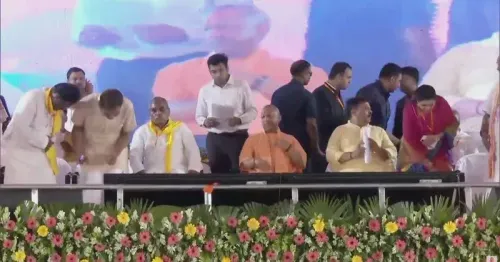
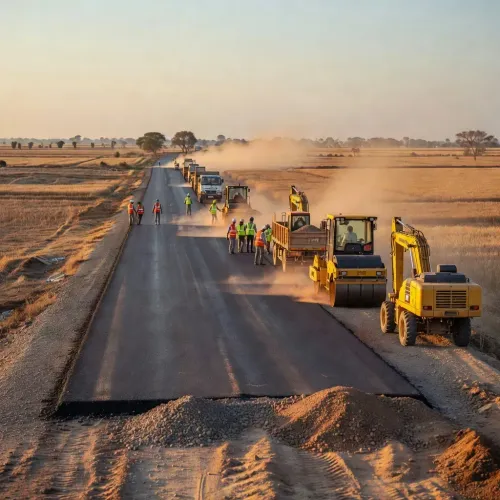
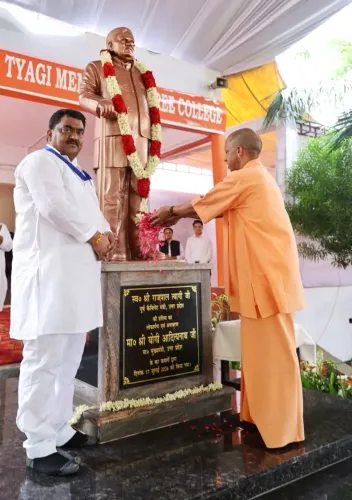
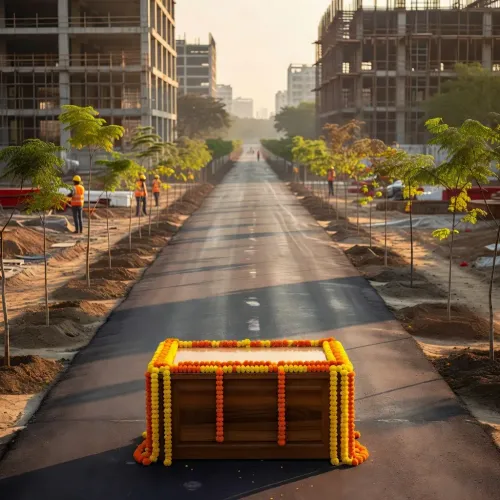
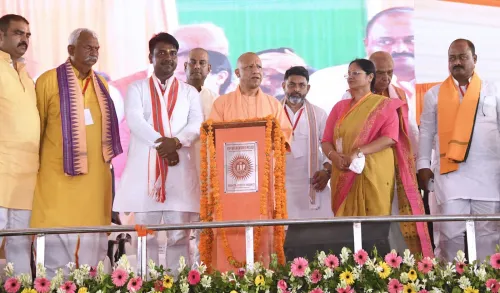
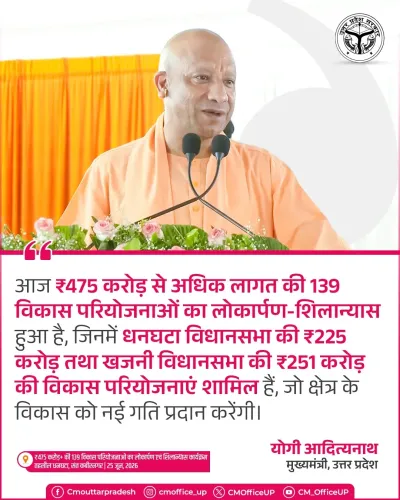
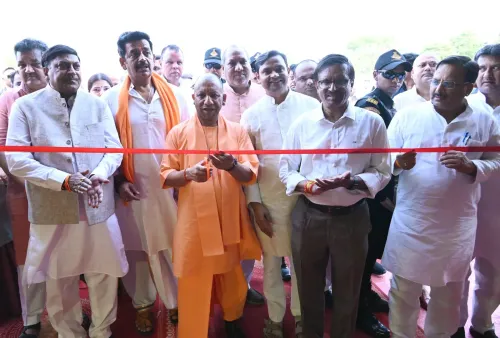
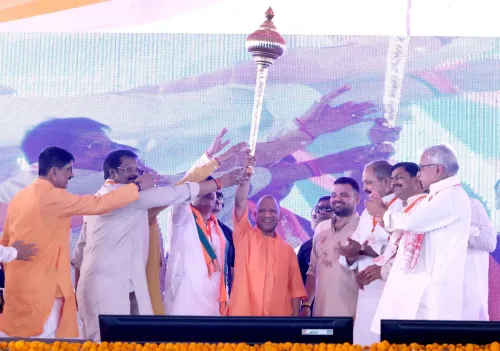
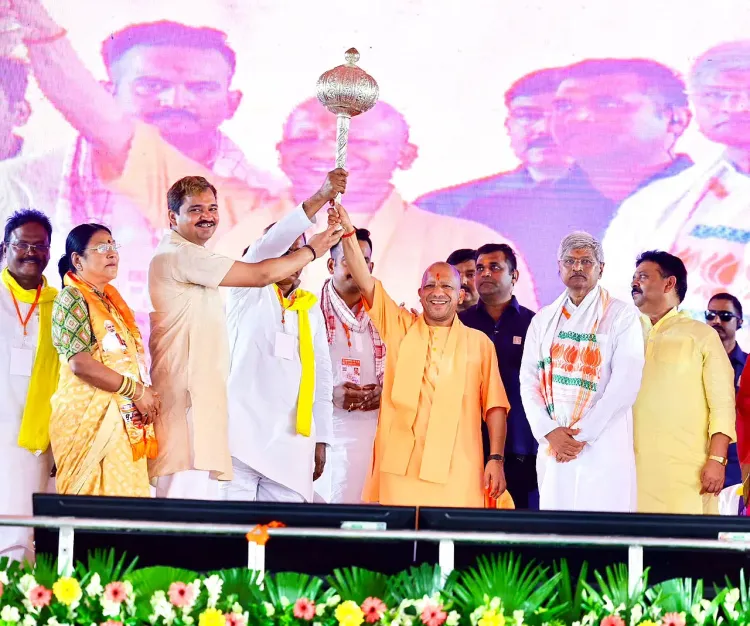
Uttar Pradesh CM Yogi Adityanath on 30 July 2026 inaugurated and laid foundation stones for 268 public-welfare projects worth ₹692 crore across seven assembly constituencies in Ghazipur, on the first day of the auspicious Shravan month. Beneficiaries also received scheme sanction letters and certificates at the event.
Key Takeaways
268 projects worth ₹692 crore were inaugurated or had foundation stones laid in Ghazipur district on 30 July 2026 .
The seven assembly constituencies covered are Ghazipur, Jakhania, Mohammadabad, Saidpur, Zamania, Zahoorabad, and Jangipur .
Beneficiaries of various government schemes were handed sanction letters and certificates at the event.
CM Yogi framed the announcement as a contrast to pre-2017 governance, invoking the 'double engine government' model.
The event was held on the first day of Shravan , one of the most auspicious months in the Hindu calendar.
Ghazipur is an eastern UP district along the Ganga, historically described as part of the lagging Purvanchal belt.
On the first day of the sacred month of Shravan, Uttar Pradesh Chief Minister Yogi Adityanath brought a significant development package to the banks of the Ganga — inaugurating and laying the foundation stones for 268 public-welfare projects worth ₹692 crore across seven assembly constituencies in Ghazipur district on Thursday, 30 July 2026.
The constituencies covered — Ghazipur, Jakhania, Mohammadabad, Saidpur, Zamania, Zahoorabad, and Jangipur — span the breadth of this eastern Uttar Pradesh district, which sits along the Ganga and borders Bihar. At the event, beneficiaries of various government schemes were also handed sanction letters and certificates, putting welfare entitlements directly into people's hands.
A Purvanchal district getting its development moment
Ghazipur has historically been among the districts of eastern UP described as lagging behind the state's more prosperous western belt. Since 2017, the Adityanath administration has made a stated priority of channelling infrastructure investment into Purvanchal — the eastern arc of Uttar Pradesh — framing it as a correction of decades of neglect.
CM Yogi's post made that contrast explicit, stating that citizens of the state had long suffered the 'sting of poverty' (garibi ka dansh) under previous governments marked by inaction (akarmanyata), but are today being covered by all government schemes under the 'double engine government' — the BJP's term for simultaneous party rule at the Centre and in the state, which it argues enables faster coordination on welfare delivery.
The 'double engine' frame and what it signals
The double engine government formulation is a recurring pillar of BJP's political messaging in Uttar Pradesh, and its invocation here is deliberate. Cluster inaugurations of this scale — covering multiple assembly segments in a single event — have been a consistent feature of the Adityanath government's outreach in eastern districts, often timed to festivals, culturally significant dates, or the run-up to electoral cycles.
Linking the announcement to the first day of Shravan, one of the most auspicious months in the Hindu calendar, adds a cultural register to what is otherwise an administrative event — a layering of the sacred and the developmental that has become characteristic of this administration's public communication.
With 268 projects spread across seven constituencies and a combined outlay of ₹692 crore, the real measure of this package will come in the months ahead — when project completion timelines and fund disbursement records tell the fuller story of what today's ceremony set in motion.
Point of View
A region it has positioned as the primary beneficiary of post-2017 governance. Timing the event to the first day of Shravan reinforces a pattern of fusing cultural symbolism with administrative announcements — a communication style that has proved durable across the administration's two terms. The 'double engine' framing keeps the BJP's central-state coordination narrative alive in a district that borders Bihar, a state where the alliance calculus is always in play. Whether the ₹692 crore translates into on-ground delivery will be the metric that matters when Ghazipur next votes.
NationPress
14 Sept 2026
Frequently Asked Questions
What projects did CM Yogi launch in Ghazipur on 30 July 2026?
CM Yogi Adityanath inaugurated and laid foundation stones for 268 public-welfare projects worth ₹692 crore across seven assembly constituencies in Ghazipur district on 30 July 2026, also distributing scheme sanction letters and certificates to beneficiaries.
Which assembly constituencies in Ghazipur were covered by the ₹692 crore project package?
The seven constituencies covered are Ghazipur, Jakhania, Mohammadabad, Saidpur, Zamania, Zahoorabad, and Jangipur .
What is the 'double engine government' that CM Yogi referred to?
'Double engine government' is the BJP's term for simultaneous party rule at the Centre and in a state — in this case Uttar Pradesh — which the party argues enables faster coordination and delivery of central and state welfare schemes.
Why was the Ghazipur event held on the first day of Shravan?
CM Yogi's post described the development package as a gift to Ghazipur residents on the auspicious first day of Shravan , one of the most sacred months in the Hindu calendar, linking the administrative event to a culturally significant occasion.
Where is Ghazipur district located in Uttar Pradesh?
Ghazipur is an eastern Uttar Pradesh district situated along the Ganga river, bordering Bihar. It is part of the Purvanchal region, which the Adityanath government has prioritised for infrastructure investment since 2017.