CM Yogi Launches Cashless Medical Scheme for 12 Lakh UP Teachers
Synopsis
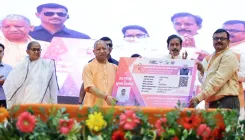
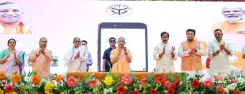
The Uttar Pradesh Chief Minister's Office announced the Mukhya Mantri Shikshak Cashless Chikitsa Yojana on 8 July 2026, promising cashless medical treatment to 12 lakh state teachers and non-teaching staff. CM Yogi Adityanath's government extends its sector-specific health coverage model to one of UP's largest organised employee groups.
Key Takeaways
12 lakh teachers and non-teaching staff in Uttar Pradesh are set to benefit from the new cashless medical scheme.
The scheme is named Mukhya Mantri Shikshak Cashless Chikitsa Yojana and was announced by CM Yogi Adityanath on 8 July 2026 .
The initiative targets employees under the Uttar Pradesh Basic Education Department , covering both teaching and non-teaching cadres.
The scheme follows a pattern of sector-specific cashless health coverage that the Yogi Adityanath government has rolled out since 2017 for police, contractual workers, and others.
Operational details including empanelled hospitals, annual benefit ceiling, and enrolment timelines are yet to be officially notified.
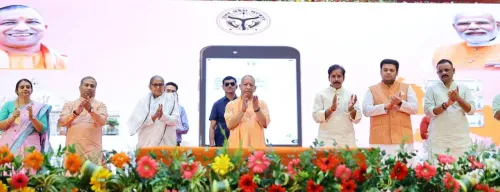
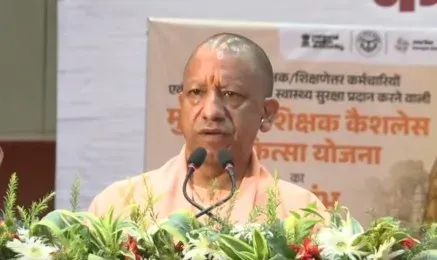
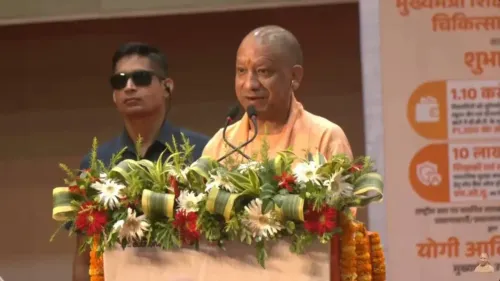
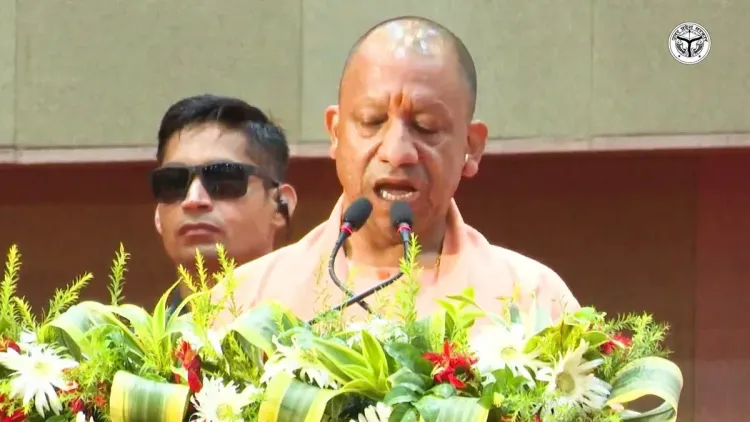
The Chief Minister's Office of Uttar Pradesh announced on Wednesday, 8 July 2026 that 12 lakh teachers and non-teaching staff across the state are set to benefit from the Mukhya Mantri Shikshak Cashless Chikitsa Yojana, a dedicated cashless medical treatment scheme unveiled by Chief Minister Yogi Adityanath.
Context
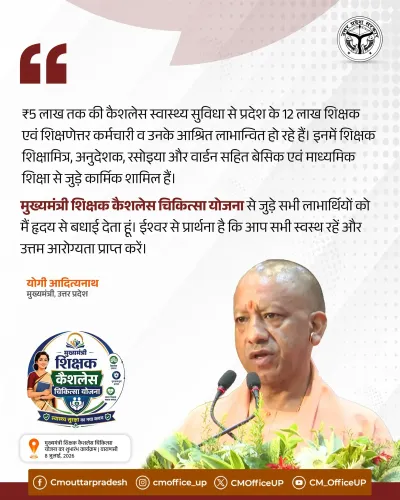
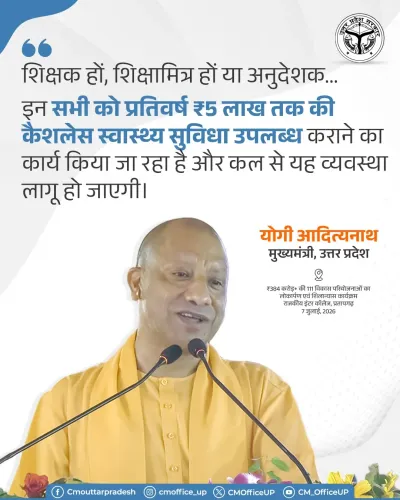
The Chief Minister's Office posted on X, quoting CM Yogi Adityanath directly: 'Mukhya Mantri Shikshak Cashless Chikitsa Yojana se Pradesh ke 12 lakh shikshak evam shikshanetar karmchari labhanvit hone ja rahe hain' — meaning, 'Through the Chief Minister's Teacher Cashless Medical Treatment Scheme, 12 lakh teachers and non-teaching staff of the state are going to be benefited.' The announcement signals a formal expansion of cashless healthcare access to one of the largest organised employee groups in Uttar Pradesh.
The scheme is specifically designed for government school teachers and non-teaching staff employed under the state, a workforce administered primarily through the Uttar Pradesh Basic Education Department. The move addresses long-standing demand from teacher unions for structured, cashless hospitalisation coverage comparable to that available to other state government employees.
Policy Backdrop
Since 2017, the Yogi Adityanath government has progressively extended cashless treatment facilities to various categories of state employees through successive executive orders. Earlier rollouts have covered police personnel and contractual workers, establishing a pattern of sector-specific health coverage running parallel to the national Ayushman Bharat framework.
The broader architecture of these schemes typically involves digitised empanelment of private and government hospitals, direct insurance settlement mechanisms, and enrolment drives at the district level — all aimed at reducing out-of-pocket medical expenditure for beneficiaries. The Mukhya Mantri Shikshak Cashless Chikitsa Yojana is expected to follow the same operational model, though the official government order detailing empanelled hospitals, annual coverage ceilings, and enrolment timelines is yet to be made public.
Stakeholders and Impact
Uttar Pradesh employs one of the largest teaching workforces in the country. With 12 lakh — or 1.2 million — teachers and non-teaching staff set to be covered, the scheme's potential reach is substantial. Beneficiaries span government primary, upper-primary, and secondary schools spread across all 75 districts of the state.
For non-teaching staff — including clerks, peons, and administrative personnel attached to state schools — this marks an especially significant step, as this group has historically had limited access to structured medical reimbursement. Cashless access removes the burden of upfront hospitalisation costs, a critical relief for employees in lower pay grades.
What's Next
The key operational details — including the list of empanelled hospitals, the annual monetary ceiling per beneficiary, and the district-level enrolment schedule — are expected to be notified through an official government order. Teacher associations and union bodies are likely to monitor the rollout closely, particularly the inclusion of both government and private hospitals in the empanelment list.
If implemented at scale, the Mukhya Mantri Shikshak Cashless Chikitsa Yojana could set a template for extending similar targeted health coverage to other large employee categories in Uttar Pradesh, reinforcing the state government's stated focus on employee welfare ahead of future electoral cycles.
Point of View
Organised state-employee constituencies — a pattern that began with police personnel and has steadily widened. Covering 12 lakh teachers and non-teaching staff in one announcement is politically significant in a state where teacher unions wield considerable electoral influence. The cashless model, which bypasses reimbursement delays, is designed to be visible and immediately tangible to beneficiaries. The real test, however, will be in implementation: the scope of hospital empanelment and the adequacy of the annual coverage ceiling will determine whether the scheme delivers substantive relief or remains largely symbolic.
NationPress
8 Jul 2026
Frequently Asked Questions
What is the Mukhya Mantri Shikshak Cashless Chikitsa Yojana?
The Mukhya Mantri Shikshak Cashless Chikitsa Yojana is a cashless medical treatment scheme announced by Uttar Pradesh Chief Minister Yogi Adityanath for government school teachers and non-teaching staff in the state. It aims to allow beneficiaries to receive hospitalisation and medical treatment without paying out of pocket at empanelled hospitals.
How many teachers will benefit from the UP cashless medical scheme?
According to the announcement by the Chief Minister's Office of Uttar Pradesh, 12 lakh — or 1.2 million — teachers and non-teaching staff are set to benefit from the scheme.
Who is eligible for the Mukhya Mantri Shikshak Cashless Chikitsa Yojana in UP?
The scheme covers both teaching and non-teaching staff employed by the Uttar Pradesh government, primarily those under the Uttar Pradesh Basic Education Department. This includes government school teachers, clerks, and other administrative personnel attached to state schools.
When was the UP teacher cashless health scheme announced?
The scheme was announced by the Chief Minister's Office of Uttar Pradesh on 8 July 2026 , with CM Yogi Adityanath cited as the author of the announcement.
What are the benefits and hospital coverage under the UP teacher medical scheme?
The official government order detailing empanelled hospitals, annual benefit ceilings, and enrolment timelines has not yet been publicly notified as of the announcement date. The scheme is expected to follow the state's existing cashless coverage model, involving digitised hospital empanelment and direct insurance settlement.