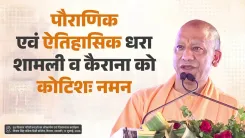
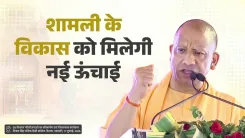
CM Yogi Launches Rs 581 Crore Projects in Shamli
Synopsis
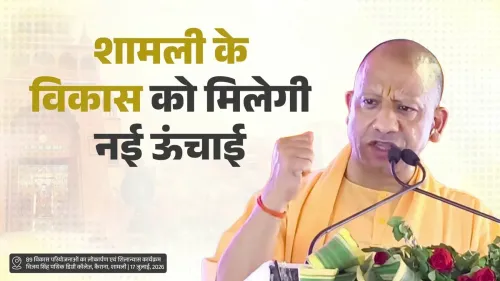
Uttar Pradesh Chief Minister Yogi Adityanath attended an inauguration and foundation-laying ceremony in Shamli district on 17 July 2026, covering development projects worth more than ₹581 crore — a significant capital push for the western UP district bordering Haryana.
Key Takeaways
Chief Minister Yogi Adityanath presided over a development programme in Shamli district on 17 July 2026 .
Projects worth more than ₹581 crore were inaugurated and had foundation stones laid at the event.
Shamli is a western Uttar Pradesh district bordering Haryana and near the Delhi NCR, with a primarily agricultural economy.
The event follows the UP BJP government's established practice since 2017 of holding district-level inauguration programmes to channel capital expenditure.
Implementation timelines and future budget allocations for Shamli will determine the real-world impact of the announced projects.
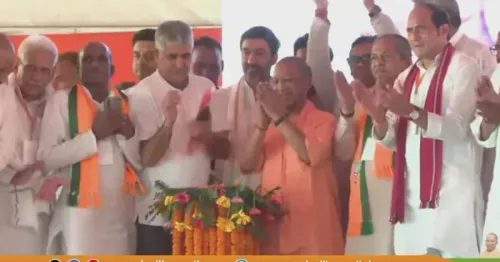
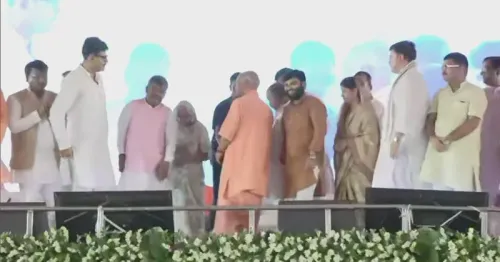
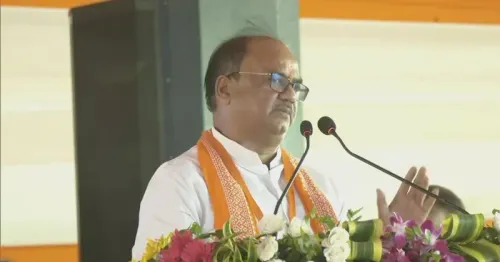
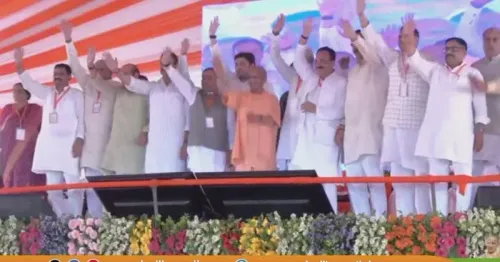
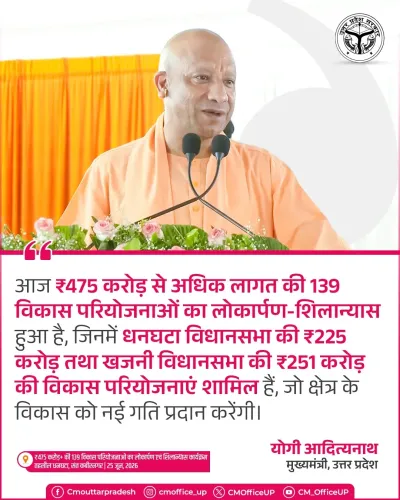
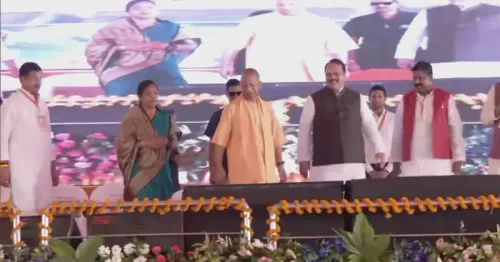
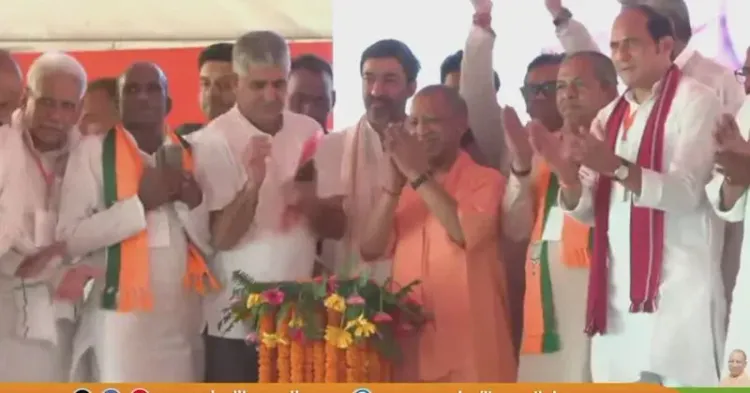
Uttar Pradesh Chief Minister Yogi Adityanath on Friday, 17 July 2026, attended a programme in Shamli district to inaugurate and lay foundation stones for development projects worth more than ₹581 crore, marking one of the largest single-day project announcements for the western Uttar Pradesh district.
Context
The Chief Minister's post on X announced his participation in a ceremony — lokarpaṇ evam śilānyās (inauguration and foundation-laying) — for multiple development projects in Shamli. The event was also broadcast live. The combined outlay of over ₹581 crore signals a significant capital push for a district that has historically received less state investment than larger urban centres in the region.
Shamli is a district in western Uttar Pradesh that shares borders with Haryana and sits in proximity to the Delhi National Capital Region. Its economy is primarily agrarian, and successive state governments have identified infrastructure gaps in roads, civic amenities, and local utilities as priorities for the area.
Policy Backdrop
Since the BJP government came to power in Uttar Pradesh in 2017, the state administration has institutionalised district-level inauguration and foundation-laying events as a visible mechanism for channelling capital expenditure to smaller districts. These programmes typically bundle together projects across sectors — roads, drainage, water supply, and public buildings — and are announced with an aggregate cost figure.
The approach reflects the state government's stated priority of ensuring that development spending reaches districts beyond the major urban clusters of Lucknow, Kanpur, and Varanasi. Western UP districts such as Shamli have been part of this outreach, with the Chief Minister personally presiding over such events to underscore political and administrative commitment.
Stakeholders and Impact
The primary beneficiaries of the announced projects are Shamli's residents, who stand to gain from improved infrastructure once the schemes move from announcement to execution. The district's farming communities, small traders, and daily commuters are among those most likely to be affected by investments in roads and civic facilities.
For the state government, the event reinforces its district-by-district development narrative ahead of future electoral cycles. The aggregated ₹581 crore figure, if translated into completed projects, would represent a substantial addition to Shamli's public infrastructure stock.
What's Next
Attention will now turn to implementation timelines and whether the projects receive sustained budgetary support in subsequent state budget cycles. Analysts and local stakeholders will watch for progress reports on project completion, contractor appointments, and fund release schedules from the Uttar Pradesh government. The next state budget will be a key indicator of whether Shamli's allocation is maintained or expanded.
Point of View
District-level ceremonies to demonstrate development reach beyond UP's tier-one cities. Aggregating project costs into a single headline figure — ₹581 crore in this case — maximises political optics while keeping the administrative narrative simple. For western UP, a region with competitive electoral dynamics, such investments carry both infrastructural and political weight. The real test, as with similar announcements across the state, will be the pace of project completion and fund disbursement.
NationPress
17 Jul 2026
Frequently Asked Questions
What projects were inaugurated in Shamli by CM Yogi Adityanath?
Chief Minister Yogi Adityanath inaugurated and laid foundation stones for multiple development projects in Shamli district on 17 July 2026, with a combined cost of more than ₹581 crore. The exact list of individual projects has not been officially detailed in the announcement.
Where is Shamli district located in Uttar Pradesh?
Shamli is a district in western Uttar Pradesh, bordering Haryana and situated in proximity to the Delhi National Capital Region. It is primarily an agricultural district that has been a focus of state infrastructure investment in recent years.
How much money has UP government announced for Shamli?
The Uttar Pradesh government announced development projects worth more than ₹581 crore for Shamli district at the 17 July 2026 ceremony attended by Chief Minister Yogi Adityanath.
What is CM Yogi's development model for smaller UP districts?
Since 2017, the Yogi Adityanath government has held repeated district-level inauguration and foundation-laying events across Uttar Pradesh, bundling multiple projects under a single aggregate cost figure to demonstrate capital expenditure at the grassroots level.
When did CM Yogi visit Shamli in 2026?
Chief Minister Yogi Adityanath attended the development programme in Shamli on Friday, 17 July 2026 , where projects worth over ₹581 crore were inaugurated and foundation stones were laid.