CM Office Uttarakhand: Tehri Woman Turns Self-Reliant via SRLM
Synopsis
The Uttarakhand Chief Minister's Office on 17 July 2026 featured Priyanka Bisht of Dharwal village, Tehri Garhwal, as a success story under the Uttarakhand State Rural Livelihood Mission, underscoring the scheme's reach in remote hill blocks.
Key Takeaways
The Uttarakhand CMO on 17 July 2026 spotlighted Priyanka Bisht of Dharwal village, Thauldhaar block, Tehri Garhwal as a self-reliance success story.
Her economic empowerment is attributed to the Uttarakhand State Rural Livelihood Mission (USRLM) , the state arm of the central DAY-NRLM scheme.
DAY-NRLM was launched in 2011 and organises rural women into self-help groups with access to credit, skills, and markets.
Tehri Garhwal is a mountainous, predominantly rural district where last-mile livelihood delivery is a key policy challenge.
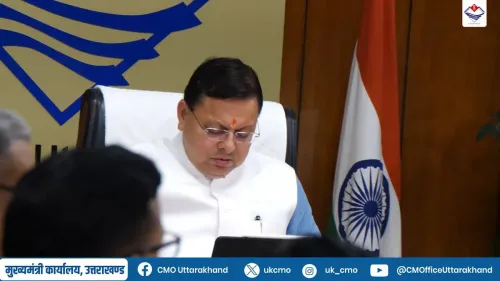
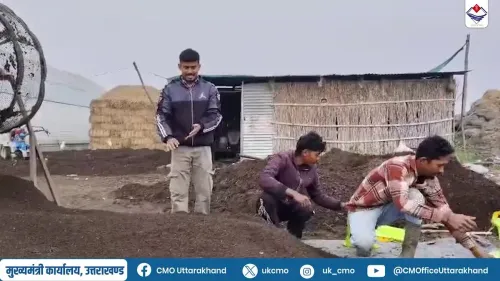
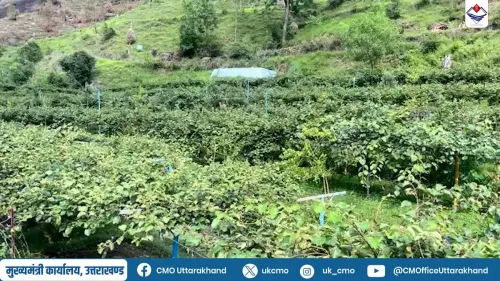
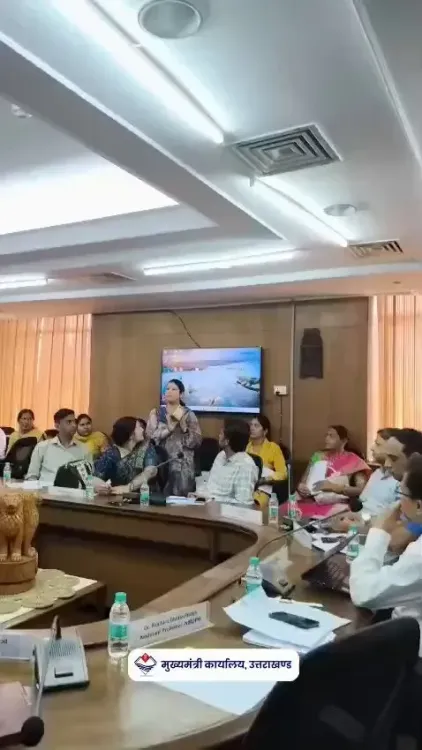
The CMO shared a video alongside the post to document the beneficiary's journey.
The communication is part of a broader state pattern of highlighting individual SHG beneficiaries to demonstrate programme reach.
The Chief Minister's Office of Uttarakhand on Friday, 17 July 2026 spotlighted Priyanka Bisht, a resident of Dharwal village in Thauldhaar development block of Tehri Garhwal, as a beneficiary who has achieved economic self-reliance through the Uttarakhand State Rural Livelihood Mission (USRLM).
Context
The official post, shared in Hindi, states: 'Tehri Garhwal ke vikaaskhanda Thauldhaar ke Dharwal gaon ki Priyanka Bisht Uttarakhand State Rural Livelihood Mission ki madad se aatmanirbhar bani hain' — ('Priyanka Bisht of Dharwal village, Thauldhaar block, Tehri Garhwal, has become self-reliant with the help of the Uttarakhand State Rural Livelihood Mission'). The post is accompanied by a video, which the CMO shared to illustrate her journey. Tehri Garhwal is a mountainous district with a predominantly rural population that has historically depended on subsistence agriculture and allied activities.
Policy Backdrop
The Uttarakhand State Rural Livelihood Mission is the state-level implementing body for the Deendayal Antyodaya Yojana – National Rural Livelihoods Mission (DAY-NRLM), a centrally sponsored scheme launched in 2011 that replaced the earlier Swarnjayanti Gram Swarozgar Yojana. The programme organises rural women into self-help groups (SHGs) and links them to institutional credit, vocational skills training, and market access for self-employment. Hilly and geographically isolated blocks such as Thauldhaar in Tehri Garhwal represent precisely the kind of last-mile terrain the scheme was designed to reach.
DAY-NRLM is active across all Indian states, and Uttarakhand's implementation has focused on mobilising women in remote blocks where conventional employment opportunities are limited. The state government has periodically highlighted individual success stories to communicate programme reach and encourage enrolment among eligible households.
Stakeholders and Impact
The primary beneficiaries of USRLM are rural women from economically weaker households, particularly in hill districts where male out-migration for work is common, leaving women as de facto household heads. SHG membership provides women not only with credit access but also a structured platform for collective decision-making and skill development. Priyanka Bisht's case, as presented by the CMO, is positioned as representative of this broader impact on women's economic participation in Uttarakhand's remote villages.
Local self-help groups in districts like Tehri Garhwal have been linked to activities ranging from horticulture and dairy to handicrafts and small retail, depending on local resource availability. The CMO's communication signals the state's intent to sustain public awareness of these outcomes as part of its rural welfare narrative.
What's Next
Progress reports on DAY-NRLM coverage across Tehri Garhwal and other Uttarakhand blocks are expected to feed into the state's rural development budget discussions. Any parliamentary questions or assembly session deliberations on livelihood allocations will offer a fuller picture of scheme penetration in hill districts. The state government's continued use of individual beneficiary stories suggests an ongoing communications strategy aimed at showcasing last-mile delivery ahead of future policy reviews.
Point of View
The administration reinforces the DAY-NRLM's reach into terrain that is often cited as a challenge for programme implementation. This pattern also serves a political function: humanising policy outcomes ahead of budget cycles or assembly sessions where rural livelihood allocations come under scrutiny. The broader signal is that Uttarakhand is leaning on women's SHG success stories as a visible metric of governance in hill districts.
NationPress
17 Jul 2026
Frequently Asked Questions
What is the Uttarakhand State Rural Livelihood Mission?
The Uttarakhand State Rural Livelihood Mission (USRLM) is the state-level body that implements the Deendayal Antyodaya Yojana – National Rural Livelihoods Mission (DAY-NRLM), organising rural women into self-help groups and connecting them to credit, skills training, and market linkages for self-employment.
Who is Priyanka Bisht and why is she in the news?
Priyanka Bisht is a resident of Dharwal village in Thauldhaar block, Tehri Garhwal, Uttarakhand, who was highlighted by the state Chief Minister's Office on 17 July 2026 as a beneficiary who achieved economic self-reliance through the Uttarakhand State Rural Livelihood Mission.
What is DAY-NRLM and when was it launched?
Deendayal Antyodaya Yojana – National Rural Livelihoods Mission (DAY-NRLM) is a centrally sponsored scheme launched in 2011 that replaced the Swarnjayanti Gram Swarozgar Yojana, with the goal of mobilising rural women into self-help groups and reducing poverty through self-employment.
Which district does Thauldhaar block belong to in Uttarakhand?
Thauldhaar is a development block in Tehri Garhwal district, a mountainous region of Uttarakhand characterised by a predominantly rural population and limited conventional employment opportunities.
How does the rural livelihood mission help women in Uttarakhand's hill districts?
The mission forms self-help groups among rural women, provides access to institutional credit and vocational skills, and links members to markets for self-employment in activities such as horticulture, dairy, handicrafts, and small retail, which are suited to the hill economy.