CM Yogi launches Samrasta Sankalp Abhiyan in Varanasi on Guru Purnima
Synopsis
Chief Minister Yogi Adityanath inaugurated the Samrasta Sankalp Abhiyan in Varanasi on Guru Purnima, marking the 650th birth anniversary year of Bhakti saint Guru Ravidas. He offered prayers at the Janmsthan Mandir and invoked Ravidas's teachings on equality and social harmony.
Key Takeaways
CM Yogi Adityanath attended the launch of the Samrasta Sankalp Abhiyan in Varanasi on 29 July 2026 , Guru Purnima.
The campaign is pegged to the 650th birth anniversary year of Bhakti saint Guru Ravidas Maharaj .
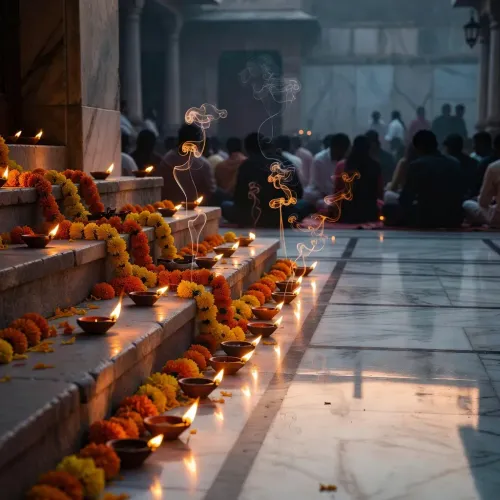
The CM offered prayers and floral tributes at the Shri Guru Ravidas Janmsthan Mandir , the saint's traditional birthplace temple.
He cited Ravidas's ideals of equality, goodwill, and righteous work as an enduring inspiration for social harmony and nation-building.
District-level events under the Samrasta Sankalp Abhiyan are expected to follow across Uttar Pradesh in the coming months.
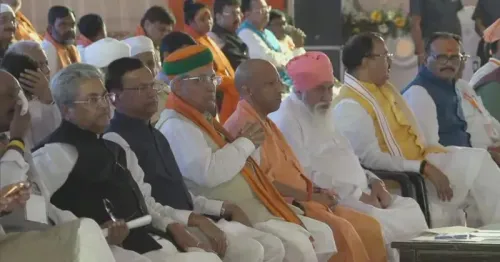
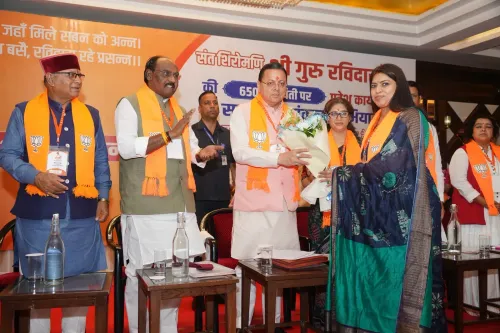
On the auspicious occasion of Guru Purnima, Chief Minister Yogi Adityanath travelled to Varanasi on Wednesday, 29 July 2026 to inaugurate the Samrasta Sankalp Abhiyan — a state-level social harmony campaign launched in honour of the 650th birth anniversary year of the revered 15th-century Bhakti saint Guru Ravidas Maharaj.
Prayers at the birthplace temple
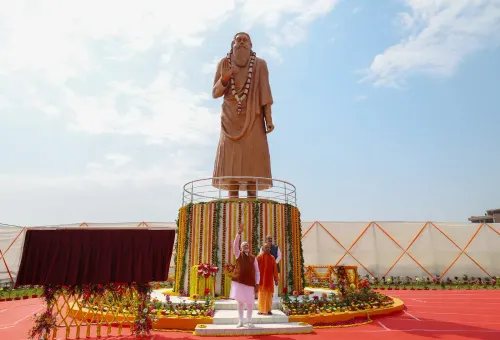
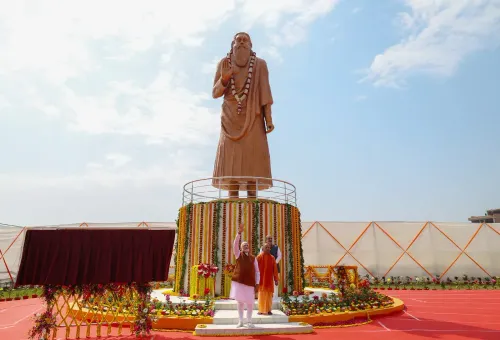
The Chief Minister began the programme at the Shri Guru Ravidas Janmsthan Mandir — the temple built at the saint's traditional birthplace in Varanasi — where he offered prayers and performed darshan-pujan. He then placed a floral tribute, pushpanjali, at the statue of Guru Ravidas, paying his respects before the formal launch of the campaign.
The message CM Yogi drew from Ravidas
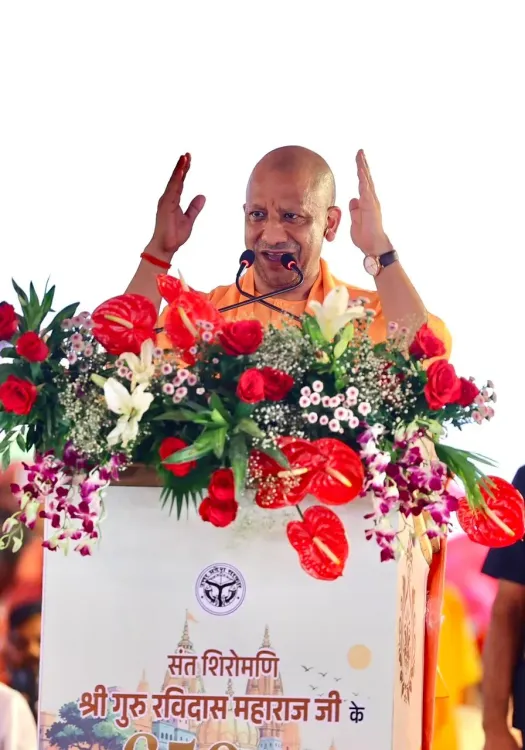
Addressing the gathering, the Chief Minister said that Sant Ravidas Maharaj 'showed society the path rooted in equality, goodwill, and the discipline of righteous work.' He added that Ravidas's ideals 'remain a source of inspiration for social harmony and nation-building even today.' The words were a deliberate echo of the campaign's own name — samrasta meaning social cohesion, sankalp meaning resolve.
Why the 650th anniversary year matters
Guru Ravidas, born near Varanasi in the 15th century, was one of the foremost voices of the Bhakti movement — a poet-saint whose verses challenged caste hierarchy and preached the dignity of labour and devotion to a formless God. His followers, spread across northern India and the diaspora, regard his birthplace in Varanasi as a major pilgrimage site. Uttar Pradesh governments have periodically organised programmes at the Janmsthan Mandir to draw on his message of equality; the 650th birth anniversary year gives the current administration a landmark occasion to anchor a sustained campaign around that legacy.
Samrasta Sankalp Abhiyan: what it sets in motion
The Samrasta Sankalp Abhiyan is designed as a state-wide campaign, with district-level events expected to follow the Varanasi launch in the coming months. The programme fits into a broader pattern in which the Yogi Adityanath government has linked Bhakti-era saints — figures associated with themes of social cohesion — to its development and governance narrative. Guru Purnima, the day traditionally dedicated to honouring one's spiritual teacher, provided a symbolically charged moment to begin a campaign rooted in a saint's teachings.
The saint's message — that worth lies in conduct, not birth — has never aged. Whether the campaign that carries it forward reaches the communities who need it most is the question the coming months will answer.
Point of View
Timed to the symbolically resonant Guru Purnima and a landmark anniversary. It continues a pattern of UP administrations appropriating Bhakti-movement icons to project an inclusive image while reinforcing the ruling party's appeal among communities that revere those saints. The 'samrasta' framing is significant: it sidesteps the sharper language of caste justice in favour of harmony and shared heritage, a register that is politically safer but also less specific about redress. Whether the campaign translates into tangible policy outcomes for Ravidas's followers — or remains a ceremonial gesture — will be the real test of its intent.
NationPress
29 Jul 2026
Frequently Asked Questions
What is the Samrasta Sankalp Abhiyan launched by CM Yogi in Varanasi?
The Samrasta Sankalp Abhiyan is a state-level social harmony campaign launched by the Uttar Pradesh government to mark the 650th birth anniversary year of Bhakti saint Guru Ravidas Maharaj. It was inaugurated by Chief Minister Yogi Adityanath in Varanasi on Guru Purnima, 29 July 2026, and is expected to include district-level events across the state.
Why is Guru Ravidas's 650th birth anniversary significant?
Guru Ravidas was a 15th-century Bhakti poet-saint born near Varanasi whose teachings challenged caste hierarchy and emphasised equality, devotion, and the dignity of labour. The 650th birth anniversary year is a major milestone for his followers across northern India and the global diaspora, making it an important occasion for commemorative programmes.
Where is the Shri Guru Ravidas Janmsthan Mandir?
The Shri Guru Ravidas Janmsthan Mandir is located in Varanasi, Uttar Pradesh, and marks the traditional birthplace of Guru Ravidas. It is a significant pilgrimage site for the saint's followers and was the venue for the launch of the Samrasta Sankalp Abhiyan.
What did CM Yogi Adityanath say about Guru Ravidas at the event?
CM Yogi Adityanath said that Sant Ravidas Maharaj showed society the path rooted in equality, goodwill, and the discipline of righteous work, and that his ideals remain a source of inspiration for social harmony and nation-building even today.
What is Guru Purnima and why was it chosen for this launch?
Guru Purnima is a Hindu festival observed on the full moon day of the month of Ashadha, traditionally dedicated to honouring spiritual teachers and gurus. It was chosen as the launch date for the Samrasta Sankalp Abhiyan because of its deep connection to the tradition of revering teachers, making it a symbolically fitting occasion to begin a campaign rooted in a saint's teachings.