CM Dhami Honours Uttarakhand's Saints on Guru Purnima
Synopsis
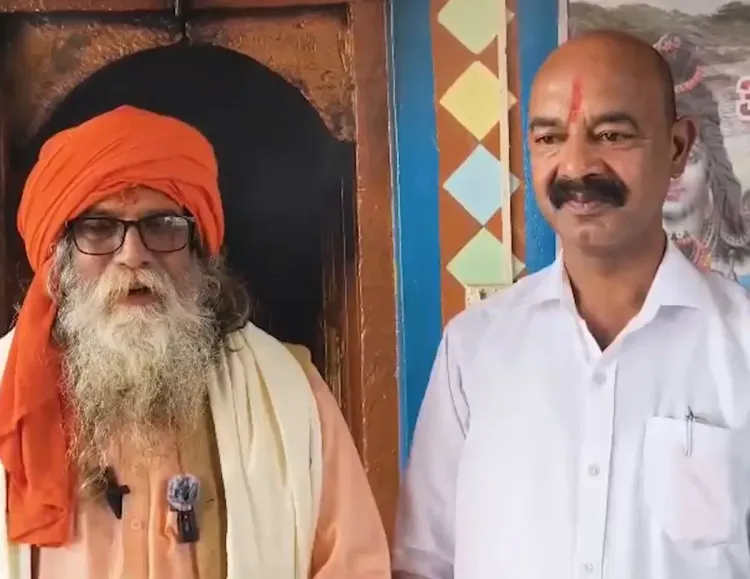
On Guru Purnima, Uttarakhand CM Pushkar Singh Dhami led the state government in honouring revered saints and religious scholars, reaffirming the state's identity as Devbhoomi and its commitment to preserving Sanatan culture and the guru-disciple tradition.
Key Takeaways
CM Pushkar Singh Dhami and the Uttarakhand state government formally felicitated saints, sages, and religious teachers on Guru Purnima, 29 July 2026 .
Guru Purnima is observed on the full moon of the Hindu month of Ashadha and honours the guru-disciple tradition.
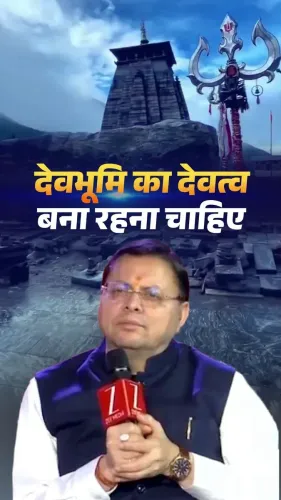
Dhami described Devbhoomi Uttarakhand as the sacred land of Sanatan culture, spiritual consciousness, and the guru-shishya parampara.
The CM framed the sant samaj's guidance as inspiration for dharma, sanskar, seva aur rashtranirman — religion, values, service, and nation-building.
The state government reaffirmed its commitment to the 'preservation and promotion of Sanatan culture,' consistent with the BJP administration's broader cultural policy stance.
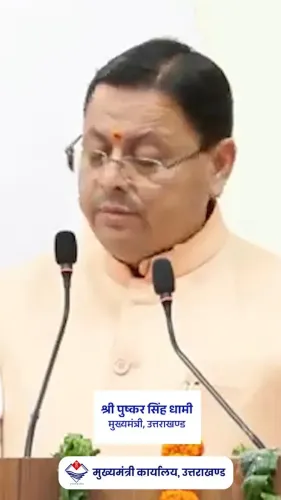
On the auspicious occasion of Guru Purnima, Uttarakhand Chief Minister Pushkar Singh Dhami led the state government in formally felicitating the revered saints, sages, and religious scholars of the state — honouring a tradition that sits at the very heart of Devbhoomi Uttarakhand's identity.
Posting on Wednesday, 29 July 2026, CM Dhami wrote: 'गुरु पूर्णिमा के पावन अवसर पर प्रदेश सरकार की ओर से उत्तराखंड के परम पूजनीय साधु-संतों एवं धर्माचार्यों का सम्मान कर उन्हें गुरु पूर्णिमा की शुभकामनाएं दी।' — 'On the holy occasion of Guru Purnima, the state government honoured the most revered saints, sages, and religious teachers of Uttarakhand and extended greetings to them.'
He went further, framing the state itself as sacred ground: 'देवभूमि उत्तराखंड सनातन संस्कृति, आध्यात्मिक चेतना और गुरु-शिष्य परंपरा की पावन धरा है' — 'Devbhoomi Uttarakhand is the holy land of Sanatan culture, spiritual consciousness, and the guru-disciple tradition.'
Devbhoomi's Living Tradition
Guru Purnima, observed on the full moon of the Hindu month of Ashadha, is one of the most widely observed spiritual occasions across India — a day when disciples across traditions pay homage to their teachers. In Uttarakhand, a state whose very name in popular usage — Devbhoomi, 'Land of the Gods' — reflects its deep religious identity, the occasion carries particular weight. The state is home to major pilgrimage circuits including the Char Dham route, and its ashrams and monasteries draw seekers from across the country year-round. Successive governments in Dehradun have leaned into this identity, framing official policy around the preservation of Sanatan traditions. The BJP administration under Dhami has been especially explicit in linking governance with the protection and promotion of Hindu cultural heritage — through public recognitions, state-sponsored events, and policy statements that position the sant samaj, the community of saints, as a guiding force.The Sant Samaj as Moral Compass
In his post, CM Dhami described the company of saints and sages as a constant source of inspiration for society in matters of 'dharma, sanskar, seva aur rashtranirman' — 'religion, values, service, and nation-building.' The framing is deliberate: it positions the state government not merely as an administrator, but as a respectful inheritor of a civilisational tradition, taking guidance from religious figures rather than governing in isolation from them. Dhami concluded by affirming that the state government considers the guidance and blessings of the sant samaj an 'invaluable heritage' and remains 'continuously committed' to the preservation and promotion of Sanatan culture. As Uttarakhand continues to develop its spiritual-tourism ecosystem and cultural policy, the relationship between the state government and the sant samaj will remain a defining thread — one that shapes both the state's public identity and its governance priorities.Point of View
But it also reflects a deliberate governance philosophy that the BJP administration in Uttarakhand has consistently pursued — positioning the state as the institutional custodian of Sanatan Hindu traditions. By publicly invoking the sant samaj as a source of guidance for 'nation-building,' Dhami blurs the line between spiritual observance and political identity in a state whose religious geography already gives it outsized symbolic weight. This is part of a broader BJP pattern of using cultural and religious occasions to reinforce the party's Hindu-heritage credentials ahead of policy announcements or electoral cycles. Whether it translates into concrete legislative or programmatic action on Sanatan culture preservation remains the question to watch.
NationPress
28 Oct 2026
Frequently Asked Questions
What is Guru Purnima and why is it celebrated?
Guru Purnima is an annual Hindu observance on the full moon day of the month of Ashadha, dedicated to honouring teachers and the guru-disciple tradition. It is widely celebrated across India by disciples paying tribute to their spiritual and academic mentors.
What did CM Dhami do on Guru Purnima 2026?
Uttarakhand Chief Minister Pushkar Singh Dhami led the state government in formally felicitating revered saints, sages, and religious scholars of Uttarakhand, and extended Guru Purnima greetings on behalf of the state government.
Why is Uttarakhand called Devbhoomi?
Uttarakhand is called Devbhoomi, meaning 'Land of the Gods,' because it is home to major Hindu pilgrimage sites including the Char Dham circuit — Badrinath, Kedarnath, Gangotri, and Yamunotri — as well as numerous ashrams and ancient temples.
What is the sant samaj?
Sant samaj refers to the community of saints, sages, and religious figures in the Hindu tradition. In Uttarakhand, this community holds significant social and spiritual influence and is frequently consulted or honoured by state governments on religious occasions.
What is the BJP government's stance on Sanatan culture in Uttarakhand?
The BJP administration under CM Dhami has consistently framed Uttarakhand's governance around the preservation and promotion of Sanatan Hindu culture, linking official policy and public events to the state's religious heritage and the guidance of the sant samaj.