CM Himanta chairs GSCL meet, orders Bharalu River rejuvenation plan
Synopsis
CM Himanta Biswa Sarma chaired the 45th GSCL board meeting on 29 July 2026, ordering a comprehensive Bharalu River rejuvenation plan and a revenue-driven financial model for Guwahati Smart City Limited — pushing the Smart Cities Mission SPV toward long-term self-sufficiency.
Key Takeaways
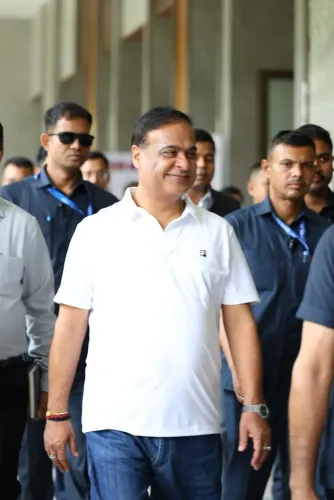
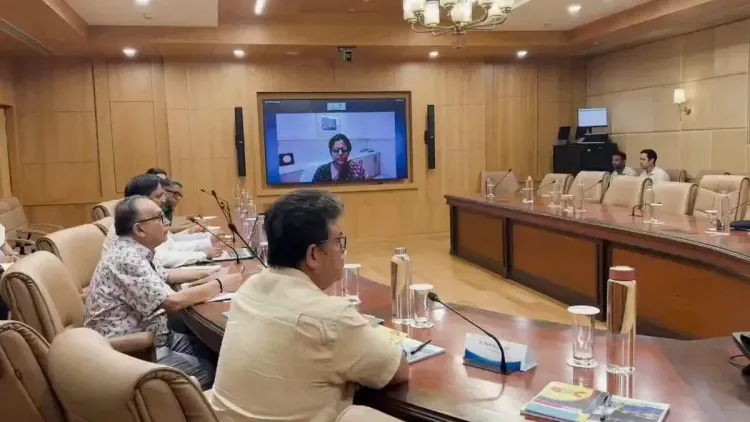
CM Himanta Biswa Sarma chaired the 45th Board Meeting of Guwahati Smart City Limited at Lok Sewa Bhawan on 29 July 2026 .
The CM directed GSCL to prepare a comprehensive Bharalu River rejuvenation plan .
Sarma also instructed GSCL to adopt a revenue-driven model for long-term financial sustainability.
The Bharalu River flows through Guwahati into the Brahmaputra and has long been associated with urban flooding and pollution.
Guwahati Smart City Limited is the SPV set up under India's Smart Cities Mission (2015) , with Guwahati among the first batch of selected cities.
The next milestone to watch is the release of the detailed Bharalu rejuvenation plan and any accompanying funding or PPP framework.
A polluted urban river that has long drained Guwahati's problems into the Brahmaputra is now at the centre of a new state directive. Chief Minister Dr. Himanta Biswa Sarma chaired the 45th Board Meeting of Guwahati Smart City Limited (GSCL) at Lok Sewa Bhawan on Wednesday, 29 July 2026, directing the agency to prepare a comprehensive rejuvenation plan for the Bharalu River — and to do it on a model that pays for itself.
The Chief Minister's Office of Assam confirmed that the meeting reviewed ongoing projects and future proposals before the CM issued the twin directives: a detailed Bharalu rejuvenation blueprint, and a shift toward a revenue-driven model to ensure long-term financial sustainability for GSCL.
The Bharalu problem: flooding, pollution, and decades of delay
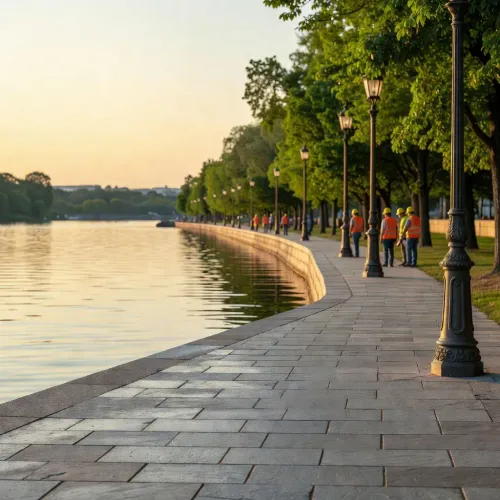
The Bharalu River cuts through the heart of Guwahati before emptying into the Brahmaputra, and it has earned a grim reputation — a conduit for urban runoff, encroachment, and seasonal flooding that repeatedly disrupts life in Assam's largest city. Successive administrations have flagged it; none have delivered a lasting fix. Sarma's directive to GSCL to now formalise a 'comprehensive' plan signals an intent to move from acknowledgement to execution.Smart Cities Mission money, local river priorities
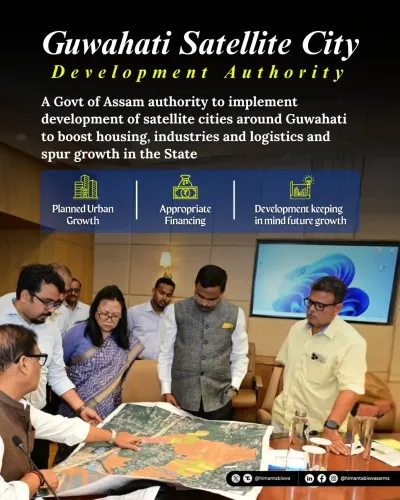
Guwahati Smart City Limited is the special purpose vehicle set up under India's Smart Cities Mission, launched by the Ministry of Housing and Urban Affairs in 2015. Guwahati was among the first batch of cities selected for central funding, with drainage, mobility, and riverfront works consistently topping local priority lists. The Bharalu has featured in those conversations from the start — the question has always been who funds the long tail of operations and maintenance once central grants run out. The CM's insistence on a revenue-driven model is a direct answer to that structural gap.Why a self-sustaining GSCL matters beyond this meeting
Smart city SPVs across India have faced a common crisis: project execution stalls when central allocations taper and state governments face fiscal pressure. By directing GSCL to build revenue streams — whether through user fees, public-private partnerships, or commercial use of riverfront assets — Sarma is pushing Guwahati's urban agency toward a model that does not depend entirely on grant cycles. The Bharalu rejuvenation plan, once prepared, will be the first real test of whether that ambition translates into bankable projects. Guwahati's residents, who live with the Bharalu's annual flooding and chronic pollution, will be watching for the plan — and the money behind it.Point of View
Executable plan will define whether this meeting was a turning point or another announcement. If GSCL can demonstrate a credible PPP or user-fee framework around the Bharalu, it could become a template for other Brahmaputra-valley cities grappling with the same flood-and-pollution cycle.
NationPress
29 Jul 2026
Frequently Asked Questions
What was decided at the GSCL board meeting on 29 July 2026?
CM Himanta Biswa Sarma chaired the 45th board meeting of Guwahati Smart City Limited and directed the agency to prepare a comprehensive Bharalu River rejuvenation plan and adopt a revenue-driven model for financial sustainability.
What is the Bharalu River and why does it matter for Guwahati?
The Bharalu is an urban river that flows through Guwahati and drains into the Brahmaputra. It has long been associated with seasonal flooding, encroachment, and water pollution, making its rejuvenation a long-standing civic priority.
What is Guwahati Smart City Limited?
Guwahati Smart City Limited (GSCL) is the special purpose vehicle set up under India's Smart Cities Mission (launched 2015) to execute urban infrastructure projects in Guwahati, which was among the first batch of cities selected for central funding.
What does a revenue-driven model mean for GSCL?
It means GSCL would generate its own income — through user fees, public-private partnerships, or commercial use of assets — rather than depending entirely on central government grants, ensuring projects can be maintained after Smart Cities Mission funding ends.
Where is Lok Sewa Bhawan in Guwahati?
Lok Sewa Bhawan is the government secretariat building located in Dispur, Guwahati, which houses key administrative offices of the Assam state government.