CM Himanta Charts Assam Power Sector Overhaul Roadmap
Synopsis
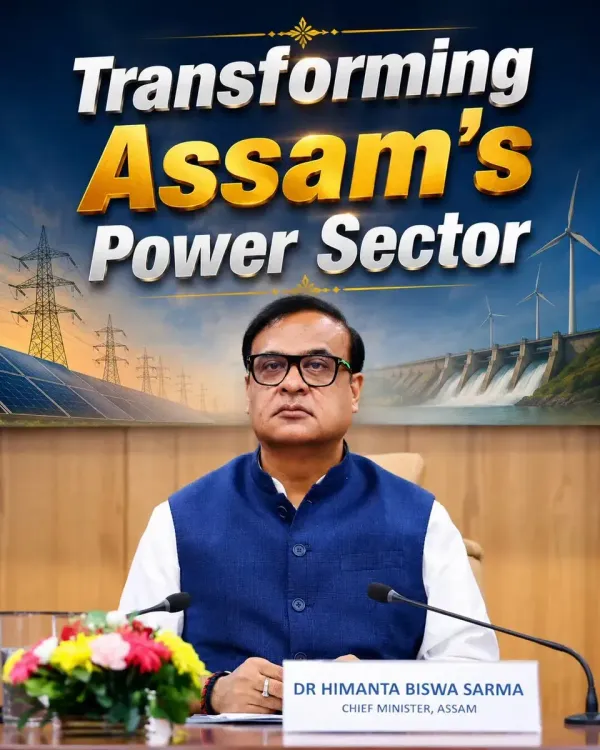
Assam CM Himanta Biswa Sarma chaired a power sector stakeholder meeting on June 16, unveiling a six-point roadmap to make Assam energy surplus — including listing AEGCL and AGCL on stock exchanges, cutting T&D losses to 8%, and expanding hydro and pump storage capacity.
Key Takeaways
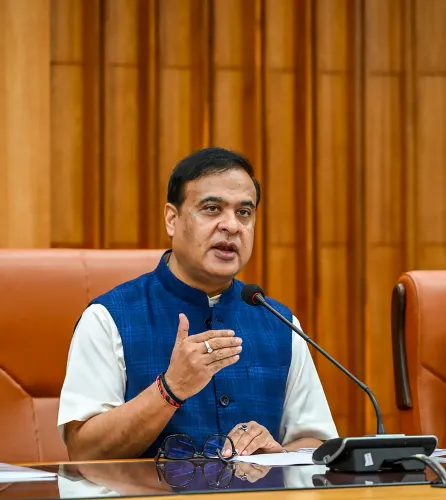
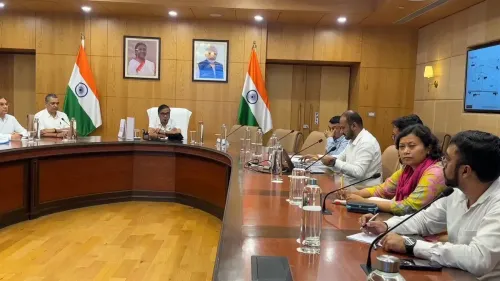
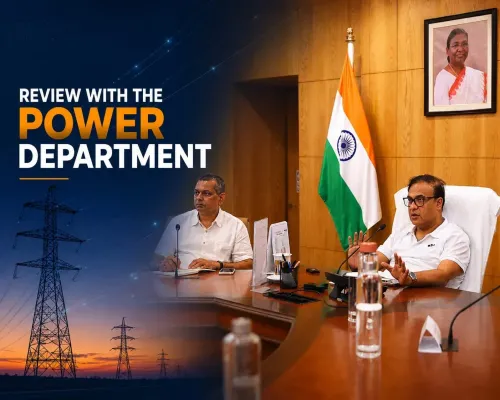
Assam CM Himanta Biswa Sarma chaired a power sector stakeholder meeting on June 16, 2026 , announcing a six-point energy reform roadmap.
State utilities AEGCL (transmission) and AGCL (gas) are to be listed on Indian stock exchanges to access capital markets.
Assam's T&D losses stand at 13 percent , below the national average; the government targets reducing them to 8 percent .
The plan includes zero tolerance on power theft and expediting all ongoing power projects.
Expansion of Pump Storage Projects capacity is being explored to support grid balancing and renewable integration.
Setting up small hydroelectric projects across the state is under examination, tapping the Brahmaputra basin's vast hydro potential.
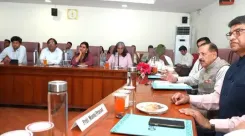
Assam Chief Minister Himanta Biswa Sarma on Tuesday, June 16, 2026, chaired a stakeholder meeting with the state's power sector to chart an ambitious roadmap aimed at transforming Assam from an energy-dependent state into an energy-surplus one. The six-point plan covers utility listings, loss reduction, theft prevention, storage capacity, project acceleration, and small hydro development.
Context
Assam has historically relied on power imports from central generating stations to meet its demand. Despite sitting within the Brahmaputra basin — one of India's richest hydro corridors, with an estimated 30 GW of untapped potential — the state has struggled to translate that resource endowment into reliable, affordable supply for its consumers. The June 16 meeting marks the Sarma government's most comprehensive public articulation yet of a structured exit from that dependency.
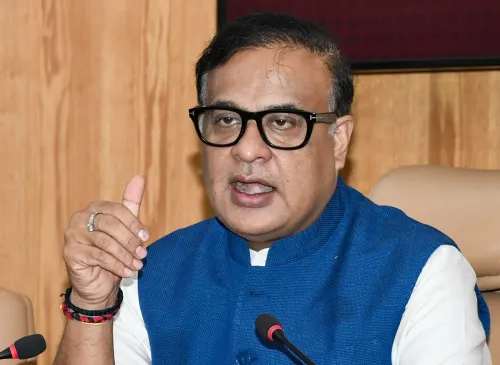
The Chief Minister stated the administration is 'charting an ambitious roadmap towards achieving reliable and affordable supply of power, building healthy utility companies and spearheading a transition towards clean energy.'
Policy Backdrop
Two of the plan's pillars draw directly from national reform frameworks. The proposed stock-exchange listing of Assam Electricity Grid Company Limited (AEGCL) and Assam Gas Company Limited (AGCL) would give both utilities direct access to India's capital markets — a corporatisation model piloted successfully by utilities in Gujarat and Maharashtra. Listing is expected to improve financial discipline and unlock private investment without full privatisation.
On loss reduction, Assam already records transmission and distribution (T&D) losses of 13 percent, below the national average. The government has set a target of bringing that figure down to 8 percent over the next few years — a goal aligned with incentives under the Union government's Revamped Distribution Sector Scheme (RDSS) launched in 2021. An earlier restructuring under the Ujjwal DISCOM Assurance Yojana (UDAY) of 2015 had already helped the state begin trimming aggregate technical and commercial losses.
The roadmap also calls for zero tolerance on power theft, expediting ongoing power projects, exploring improvements to Pump Storage Projects capacity for grid balancing, and examining the setting up of small hydroelectric projects across the state.
Stakeholders and Impact
For Assam's power consumers — domestic, agricultural, and industrial — the most immediate promise is affordable and uninterrupted supply. A drop in T&D losses from 13 percent to 8 percent would reduce revenue leakage for utilities and could translate into tariff stability or relief over time. Small hydro projects, if implemented, would decentralise generation and bring electricity closer to remote communities in hilly and riverine areas.
Private investors and capital markets stand to gain access to two state-owned energy utilities through the proposed listings of AEGCL and AGCL. For the utilities themselves, market listing would impose greater transparency and governance requirements, potentially improving operational efficiency. Pump storage capacity expansion would also support the integration of intermittent renewables into the grid as Assam scales up clean energy generation.
What's Next
The immediate milestones to watch are cabinet or board-level decisions on the listing process for AEGCL and AGCL, and any fresh memoranda of understanding for small hydro or pump-storage projects with central public sector undertakings. Implementation timelines for the ongoing power projects earmarked for expedited execution have not yet been publicly disclosed.
If the roadmap advances on schedule, Assam could emerge as a model for northeastern states seeking to monetise hydro assets while modernising distribution infrastructure — a shift that would have broader implications for the region's energy security and CM Sarma's NEDA-level political positioning ahead of future state elections in the northeast.
Point of View
A step that few northeastern states have attempted. Anchoring the plan on capital-market access rather than purely on central scheme funding suggests a deliberate shift toward fiscal self-reliance for Assam's energy infrastructure. The T&D loss target of 8 percent, if achieved, would place Assam among the better-performing states nationally and strengthen the BJP's governance narrative in the northeast ahead of upcoming assembly elections in the region. The emphasis on clean energy and pump storage also aligns Assam's roadmap with India's broader net-zero commitments, giving CM Sarma a platform to project the state as a green energy leader within NEDA.
NationPress
15 Sept 2026
Frequently Asked Questions
What is Assam's plan for AEGCL and AGCL listing?
Assam plans to list AEGCL (Assam Electricity Grid Company Limited) and AGCL (Assam Gas Company Limited) on Indian stock exchanges so they can access capital markets for funding infrastructure upgrades and expansion.
What are Assam's current T&D losses and what is the new target?
Assam's transmission and distribution losses currently stand at 13 percent , which is already below the national average. The government aims to reduce this further to 8 percent over the next few years.
What is Assam's hydro power potential?
The Brahmaputra basin in Assam is estimated to hold around 30 GW of untapped hydroelectric potential, which the state government is now seeking to harness through small hydro projects and pump storage expansion.
What is the Revamped Distribution Sector Scheme and how does it help Assam?
The Revamped Distribution Sector Scheme (RDSS) , launched by the Union government in 2021 , provides funding and reform incentives to states for reducing distribution losses and upgrading power infrastructure — goals that directly align with Assam's new roadmap.
How will pump storage projects help Assam's power grid?
Pump Storage Projects store surplus electricity by pumping water uphill and release it as power during peak demand, helping to balance the grid and support the integration of variable renewable energy sources like solar and wind.