CM Yogi Ties Up Tata, Samsung, Microsoft to Skill UP Youth

Synopsis
Chief Minister Yogi Adityanath says Uttar Pradesh is partnering with Tata, Samsung, Microsoft, IBM, Infosys, HCL, and Hinduja Group to convert the state's large youth population into an industry-ready workforce, extending the state's post-Global Investors Summit corporate engagement strategy.
Key Takeaways
Seven major firms — Tata, Samsung, Microsoft, IBM, Infosys, HCL, and Hinduja Group — are partnering with the Uttar Pradesh government on workforce skilling.
CM Yogi Adityanath framed the initiative as converting UP's demographic dividend into 'industry-ready' human capital.
The strategy builds on MoUs signed at the 2018 and 2023 Global Investors Summits in Uttar Pradesh.
Partners span IT services, electronics manufacturing, and diversified conglomerates, targeting multiple sectors simultaneously.
Placement rates and district-level rollout figures remain the key metrics to watch for real-world impact assessment.
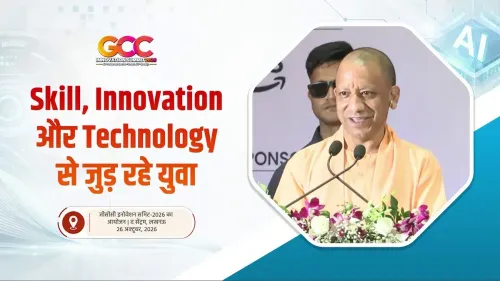
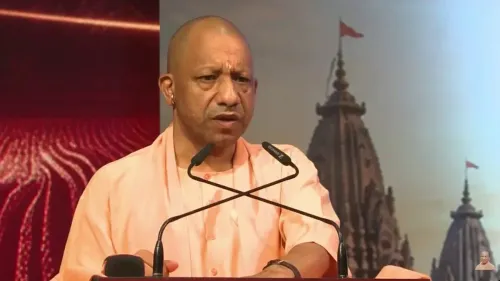
Uttar Pradesh is betting its demographic future on a roster of corporate heavyweights. Chief Minister Yogi Adityanath announced on Thursday, 12 November 2026 that the state government is partnering with Tata, Samsung, Microsoft, IBM, Infosys, HCL and the Hinduja Group to transform the state's vast young population into an industry-ready workforce — a signal that UP's skill economy push is moving well beyond government training centres.
Seven Corporate Giants, One Demographic Target
The Chief Minister's statement, shared by the Chief Minister's Office of Uttar Pradesh, framed the tie-ups in the language of opportunity: 'Demographic Dividend ko Skill se jodkar' — linking the demographic dividend to skills — to produce what the government is calling an 'industry-ready workforce.' The list of partners spans Indian conglomerates, South Korean manufacturing, and American technology platforms, reflecting a deliberate effort to cast a wide sectoral net across IT, electronics, and services.
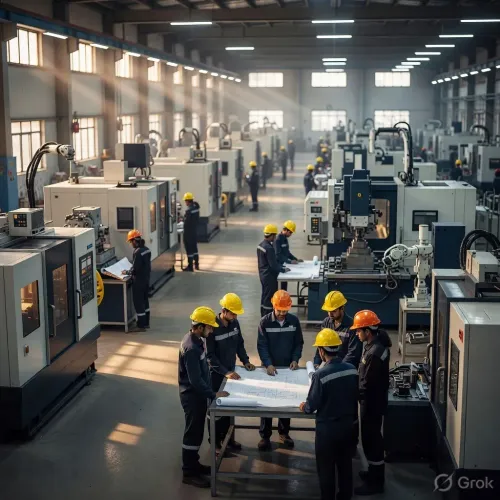
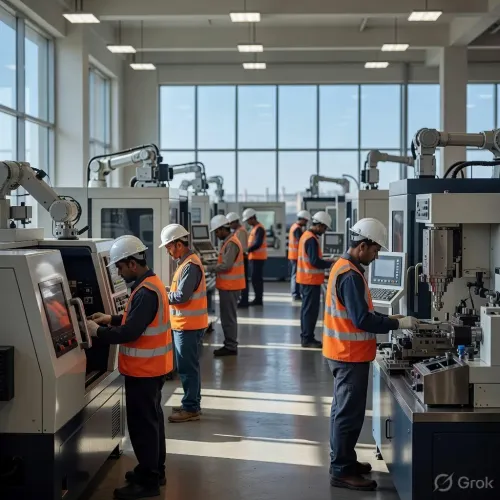
Uttar Pradesh is India's most populous state, home to a youth cohort that economists have long identified as either its greatest asset or its greatest risk — depending entirely on whether jobs exist to absorb them. By pulling in names from the Tata Group's manufacturing and IT arms, Samsung's electronics operations, and the digital-skills infrastructure of Microsoft and IBM, the Yogi administration is signalling that it wants placements, not just certificates.
Building on the Investors' Summit Playbook
The move extends a strategy Uttar Pradesh has pursued since the 2018 Global Investors Summit, accelerated at the 2023 edition, where the state signed a wave of MoUs to attract manufacturing and services investment. Skill partnerships have been a companion track to those capital investments — the logic being that a trained local workforce reduces hiring costs for incoming firms and strengthens the state's pitch on ease of doing business.
Infosys and HCL bring campus-training models already deployed in other Indian states; the Hinduja Group adds a conglomerate with interests across auto components, healthcare, and IT services. Together, the seven partners cover enough of the economy that the programme, if executed at scale, could meaningfully shift youth employment numbers in a state that has historically lagged on that metric.
What the Numbers Will Have to Show
The critical question — and the one the government has yet to publicly answer — is scale and placement rate. Tie-ups with marquee names generate credibility; the proof arrives when trained candidates move into verified jobs. Analysts tracking the state's employment data will be watching for quarterly rollout figures, district-level coverage, and whether the programme reaches first-generation learners in semi-urban and rural belts, not just those already clustered near industrial corridors.
Uttar Pradesh's demographic dividend is real and large — and it has a shelf life. The partnerships announced today are the architecture; the construction has to follow at speed.
Point of View
The Yogi administration is now targeting the supply-side gap — a workforce that large manufacturers and IT firms can actually hire. Anchoring the narrative around 'demographic dividend' is politically calculated as well as economically sound, converting what critics frame as an unemployment crisis into a managed opportunity story. The real test of this model is whether skilling partnerships translate into verifiable placements at scale, or remain impressive in letterhead and modest in outcome — a tension that has bedevilled state-level skill programmes across India for over a decade.
NationPress
12 Nov 2026
Frequently Asked Questions
Which companies has the UP government partnered with for skill development?
The Uttar Pradesh government has announced tie-ups with Tata, Samsung, Microsoft, IBM, Infosys, HCL, and Hinduja Group to train youth for industry-ready roles.
What is the demographic dividend that CM Yogi refers to for Uttar Pradesh?
Uttar Pradesh is India's most populous state with a large and young population. The 'demographic dividend' refers to the economic growth potential of this youth workforce when equipped with marketable skills.
How does this skill initiative connect to UP's Global Investors Summit?
The Uttar Pradesh government has pursued private-sector skill partnerships as a companion to investment MoUs signed at the 2018 and 2023 Global Investors Summits, aiming to supply a trained local workforce for incoming industries.
What sectors do the UP corporate skill tie-ups cover?
The partnerships span IT services (Microsoft, IBM, Infosys, HCL), electronics manufacturing (Samsung, Tata), and diversified industrial and services sectors (Hinduja Group, Tata Group).
How will the success of UP's workforce skilling programme be measured?
Key metrics will include the number of candidates trained, district-level coverage, and verified job placement rates — data that analysts and policymakers expect the government to publish as the programme scales.