Uttarakhand CMO: Kumbh Mela 2027 prep in full swing at Haridwar
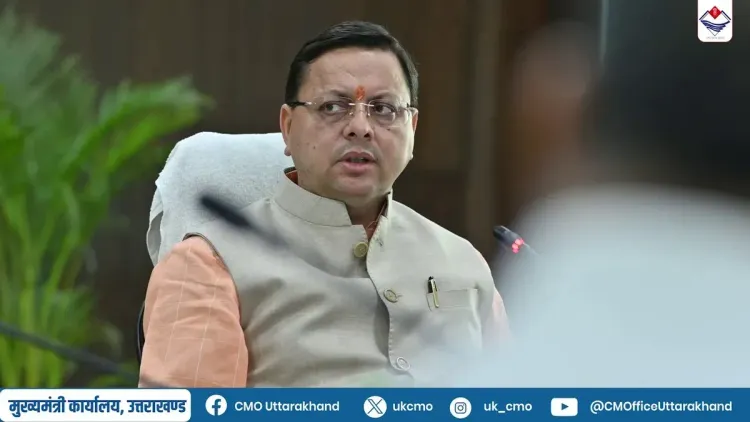
Synopsis
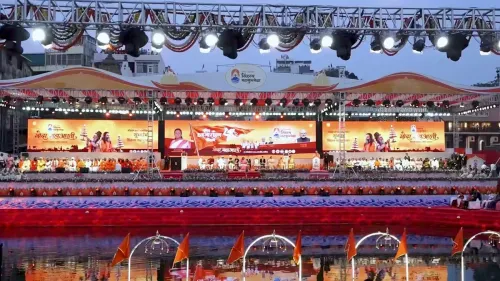
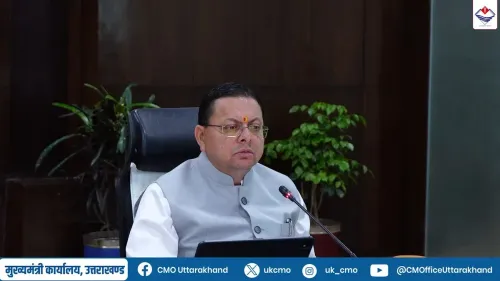
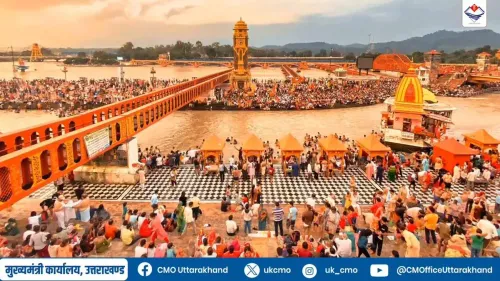
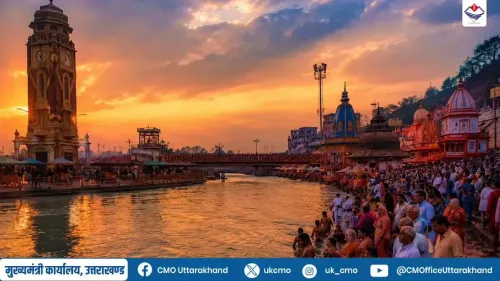
The Chief Minister's Office of Uttarakhand announced on 12 November 2026 that preparations for Kumbh Mela 2027 are progressing rapidly in Haridwar, signalling early infrastructure and logistics work for the once-in-12-years pilgrimage event on the Ganga.
Key Takeaways
The Uttarakhand CMO confirmed on 12 November 2026 that Kumbh Mela 2027 preparations are moving rapidly in Haridwar .
Haridwar is one of four traditional sites for the full Kumbh Mela, which recurs every 12 years at the city.
Preparations typically cover Ganga ghat development , road and transport upgrades, sanitation infrastructure, and security coordination.
The 2026-27 fiscal cycle is a critical period for budget allocations and tendering of major Kumbh infrastructure works.
Uttarakhand has positioned large pilgrimage events as anchors for its broader religious tourism economy.
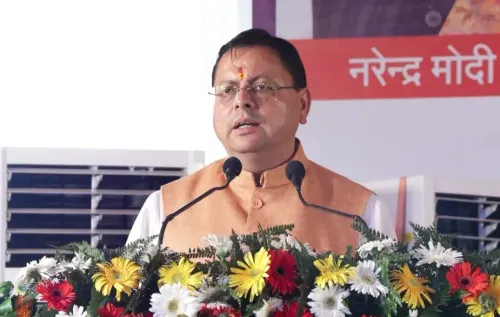
With 2027 still more than a year away, Haridwar is already in motion — and the Chief Minister's Office of Uttarakhand wants the country to know it. The state government posted on Thursday, 12 November 2026, signalling that preparations for Kumbh Mela 2027 are advancing rapidly in the holy city on the banks of the Ganga.
The post, shared with the hashtags #Haridwar and #Uttarakhand, accompanied a video and carried the message: 'Haridwar mein teji se chal rahi hai Kumbh Mela - 2027 ki taiyari' — 'Preparations for Kumbh Mela 2027 are moving rapidly in Haridwar.' Short in words, significant in implication.
Why Haridwar's Kumbh carries a different weight
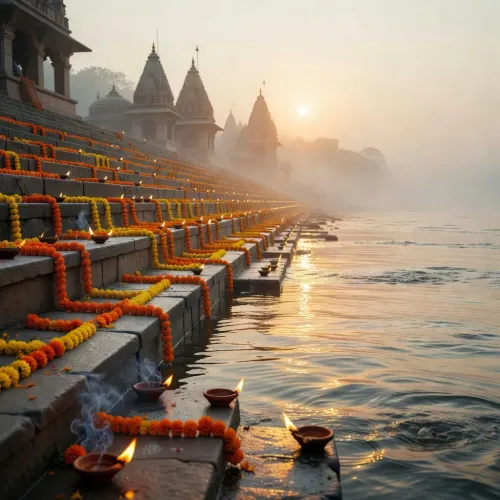
Haridwar is one of only four cities in India authorised by tradition to host the full Kumbh Mela — the others being Prayagraj, Nashik, and Ujjain. The cycle at Haridwar runs every 12 years, making each edition a once-in-a-generation gathering for millions of Hindu pilgrims. The sheer scale — previous editions have drawn tens of millions of devotees over weeks — demands infrastructure planning that begins years in advance.
What multi-year preparation actually looks like
Uttarakhand governments have a well-worn playbook for Kumbh readiness: riverfront development along the Ganga ghats, expansion and reinforcement of road and transport links into Haridwar, large-scale sanitation infrastructure, and tight coordination between state agencies and central security forces. Temporary tent cities, pontoon bridges, and crowd-management systems also require long lead times in tendering and construction.
The 2026-27 fiscal cycle is therefore a critical window — budget allocations and contract awards for major works typically need to be in place well before the pilgrimage season begins. The CMO's post signals the state is on the clock and moving.
Religious tourism as a state anchor
Uttarakhand has increasingly positioned its sacred geography — from the Char Dham circuit to the Haridwar-Rishikesh corridor — as the backbone of its tourism economy. A well-executed Kumbh Mela 2027 would amplify that positioning nationally and internationally, drawing not just pilgrims but hospitality investment and media attention to the state. For the government, early and visible preparation is as much a signal to investors and the tourism sector as it is a logistical milestone.
The countdown has begun. Haridwar will not wait.
Point of View
A pattern that has tripped up previous state administrations. It also speaks to Uttarakhand's deeper economic calculus: the Kumbh is not merely a religious duty but a quadrennial tourism dividend, and states that deliver smooth editions attract both pilgrim footfall and investor confidence in the years that follow. Watch whether the state's budget session translates this signalling into firm allocations and awarded contracts — that is when preparation becomes policy.
NationPress
12 Nov 2026
Frequently Asked Questions
When is Kumbh Mela 2027 in Haridwar?
Kumbh Mela 2027 is scheduled to be held in Haridwar, Uttarakhand. The exact dates within 2027 follow traditional astrological calculations, but preparations by the state government are already underway as of November 2026.
How often does Kumbh Mela happen in Haridwar?
The full Kumbh Mela at Haridwar occurs once every 12 years, making each edition a rare, large-scale pilgrimage event drawing tens of millions of devotees to the banks of the Ganga.
What preparations are being made for Kumbh Mela 2027 in Haridwar?
The Uttarakhand government is undertaking multi-year preparations that typically include Ganga ghat development, road and transport upgrades, sanitation infrastructure, temporary facilities, and coordination between state agencies and central security forces.
Which cities host the Kumbh Mela in India?
The four traditional host cities for the full Kumbh Mela are Haridwar in Uttarakhand, Prayagraj in Uttar Pradesh, Nashik in Maharashtra, and Ujjain in Madhya Pradesh, each on a rotating 12-year cycle.
Why is Kumbh Mela important for Uttarakhand's economy?
Kumbh Mela is a major driver of religious tourism in Uttarakhand, bringing millions of pilgrims and significant hospitality and infrastructure investment to Haridwar and the broader state economy.