CM Yogi Meets Gorakhpur Booth Chiefs, Backs BJP's Ground Game
Synopsis
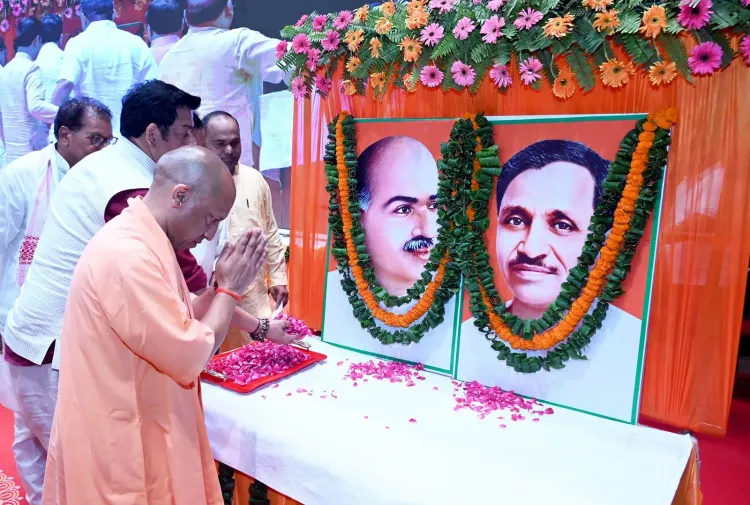
Uttar Pradesh Chief Minister Yogi Adityanath on 22 July 2026 met booth presidents from Gorakhpur urban and rural assembly segments, citing PM Modi's 'win the booth, win the election' doctrine and reinforcing BJP's grassroots machinery ahead of the 2027 state polls.
Key Takeaways
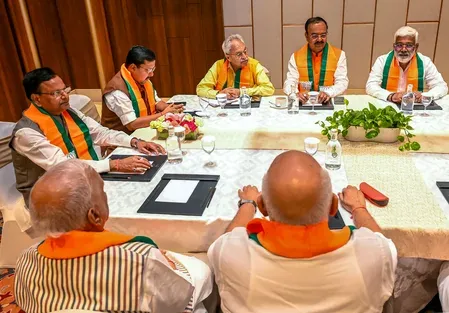
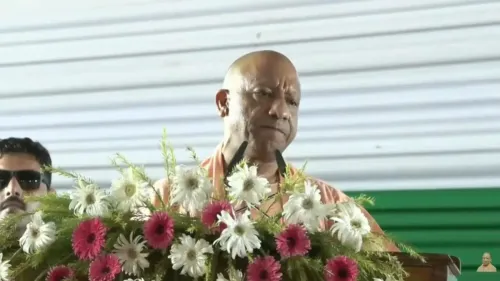
Yogi Adityanath held a direct dialogue with booth presidents from Gorakhpur Mahanagar and rural assembly segments on 22 July 2026 .
He cited PM Narendra Modi 's principle that the booth is the real 'Kurukshetra' of any election — win the booth, win the election.
The meeting reflects BJP 's established booth-level organisational strategy, which includes 'booth sabhas' and the 'panna pramukh' system formalised after 2014 .
Gorakhpur is Yogi Adityanath's home constituency and the seat of the Gorakhnath Math , amplifying the political significance of the outreach.
The exercise is widely seen as early groundwork for the 2027 Uttar Pradesh assembly elections .
BJP is described as the world's largest political party by primary membership, with a pyramid structure extending down to the booth level.
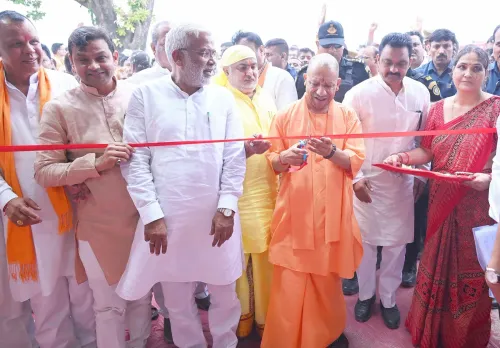
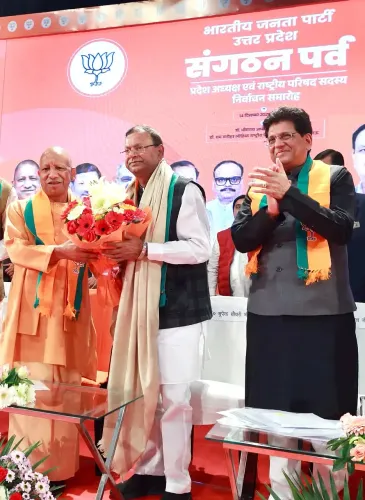
Uttar Pradesh Chief Minister Yogi Adityanath on Wednesday, 22 July 2026, held a direct dialogue with booth presidents from the Gorakhpur urban and rural assembly segments, reinforcing the Bharatiya Janata Party's grassroots electoral machinery ahead of the 2027 Uttar Pradesh assembly elections.
Context
In his post, Yogi Adityanath invoked Prime Minister Narendra Modi's oft-repeated formulation — 'chunav ka asli Kurukshetra booth hota hai, booth jeeta toh chunav jeeta' ('the real Kurukshetra of an election is the booth; win the booth, win the election') — framing the meeting as a direct translation of that philosophy into organisational action. The chief minister said he engaged with booth presidents of both the Gorakhpur Mahanagar and the rural assembly constituencies, underscoring the party's dual focus on urban and semi-rural voter segments in his home region.
Gorakhpur is Yogi Adityanath's home parliamentary and assembly constituency in eastern Uttar Pradesh and the seat of the Gorakhnath Math, lending the outreach a significance beyond routine party work.
Policy Backdrop
The BJP has systematically built its booth-level architecture since the 2014 Lok Sabha elections, when it formalised structures such as 'booth sabhas' and the 'panna pramukh' system — assigning a party worker to every page of the electoral roll. In Uttar Pradesh, these micro-management tools were intensified ahead of the 2019 general elections and the 2022 state assembly polls, both of which the party won decisively.
The BJP is widely cited as the world's largest political party by primary membership, and its pyramid of booth, mandal, district, and state units is central to converting cadre discipline into vote share, particularly across Hindi-belt states. Yogi Adityanath's post described the party as moving forward on 'the right path of good governance and public welfare' by internalising democratic values and ideals.
Stakeholders and Impact
Booth presidents — the lowest rung of the BJP's formal organisational hierarchy — are responsible for voter-list verification, voter turnout mobilisation, and local grievance channelling. Direct engagement by a sitting chief minister with this cadre signals the premium the party places on granular electoral preparedness well before polling dates are announced.
For Gorakhpur's voters, the meeting also reflects Yogi Adityanath's continued personal investment in the constituency he has represented for decades, blending his identity as a state administrator with his role as a local political anchor. The outreach extends the chief minister's dual authority — as head of government and as head of the Gorakhnath Math — into the organisational domain.
What's Next
With the 2027 Uttar Pradesh assembly elections on the horizon, the Gorakhpur meeting could signal the start of a broader statewide roll-out of similar booth-president dialogues across other divisions. Such exercises, if expanded, would align with the BJP's established pre-election playbook of activating and auditing its booth network roughly 12 to 18 months before polling.
The intensity of booth-level engagement in Uttar Pradesh — India's most populous state and the single largest contributor of Lok Sabha seats — will be closely watched as a barometer of the party's organisational confidence heading into the next electoral cycle.
Point of View
Timed roughly 12 to 18 months before the 2027 Uttar Pradesh assembly polls. By anchoring the meeting in PM Modi's 'booth is Kurukshetra' doctrine, he signals ideological continuity between the party's national leadership and its state machinery. The choice of Gorakhpur — his own stronghold — also serves a demonstrative purpose: if the template works here, it travels. For opposition parties in Uttar Pradesh, the meeting is a reminder that the BJP's electoral edge is as much organisational as it is programmatic.
NationPress
23 Jul 2026
Frequently Asked Questions
Why did CM Yogi Adityanath meet booth presidents in Gorakhpur?
CM Yogi Adityanath met booth presidents from Gorakhpur urban and rural assembly segments on 22 July 2026 to strengthen BJP's grassroots electoral machinery, citing PM Modi's principle that winning the booth means winning the election.
What is the BJP's booth-level strategy in Uttar Pradesh?
The BJP uses a system of 'booth sabhas' and 'panna pramukhs' — workers assigned to every page of the electoral roll — to micro-manage voter outreach. This structure was formalised after 2014 and intensified before every major election in Uttar Pradesh.
What is the 'panna pramukh' system in BJP?
The 'panna pramukh' system assigns a dedicated BJP worker to each page of the local electoral roll, making that worker responsible for contacting every voter on their page to boost turnout and resolve grievances.
What is PM Modi's 'booth Kurukshetra' statement?
PM Narendra Modi has repeatedly said that the real Kurukshetra — the decisive battlefield — of any election is the booth, and that a party which wins the booth wins the election. This has become a guiding principle for BJP's organisational planning.
When are the next Uttar Pradesh assembly elections?
The next Uttar Pradesh assembly elections are scheduled for 2027. BJP's early booth-level outreach in 2026 is widely seen as groundwork for that contest.