CM Yogi Offers Diwali Prayers at Hanumangarhi, Ayodhya
Synopsis
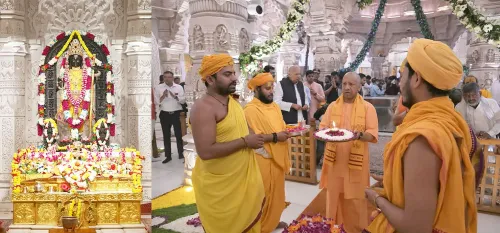
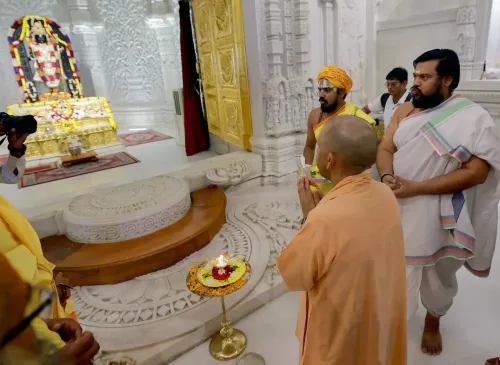
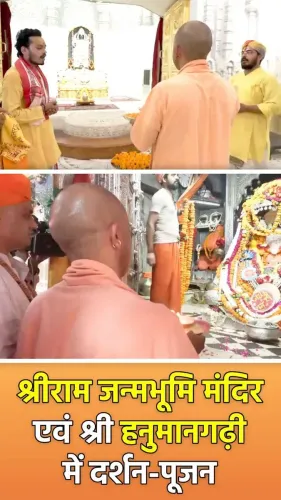
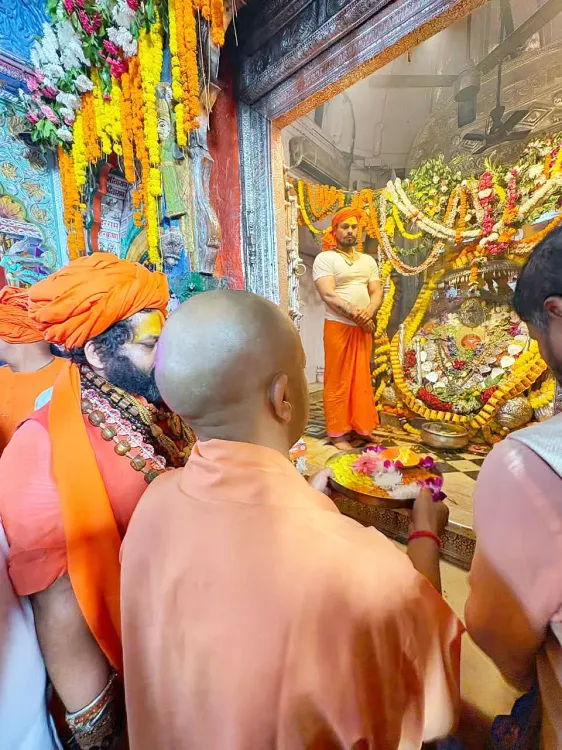
On Diwali 2026, Uttar Pradesh Chief Minister Yogi Adityanath visited Hanumangarhi in Ayodhya, offering prayers to Lord Hanuman for the well-being of all and invoking a Sanskrit shloka celebrating the deity's virtues.
Key Takeaways
CM Yogi Adityanath visited Hanumangarhi temple in Ayodhya on Diwali, 8 November 2026 .
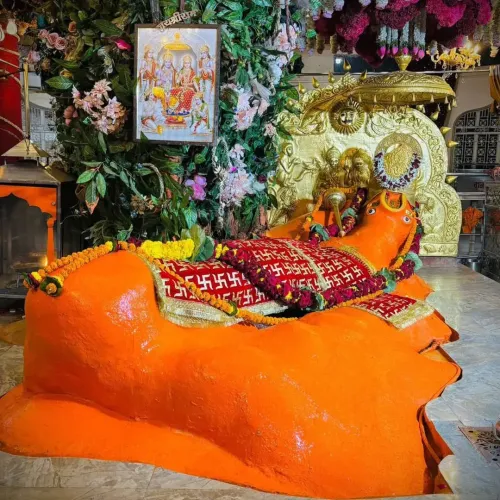
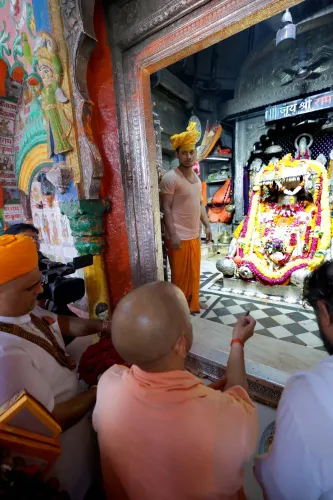
He performed darshan-pujan of Sankat Mochan Hanuman Ji and prayed for happiness, peace, good health, and prosperity for all.
His post opened with the Sanskrit shloka 'Manojavam Marutatulyavegam' , a traditional invocation praising Lord Hanuman.
He described Diwali as a sacred celebration of Lord Ram's ideals and India's cultural heritage.
The visit continues Yogi's pattern of high-profile temple appearances in Ayodhya, reinforcing the state's religious-tourism push post Ram Temple inauguration.
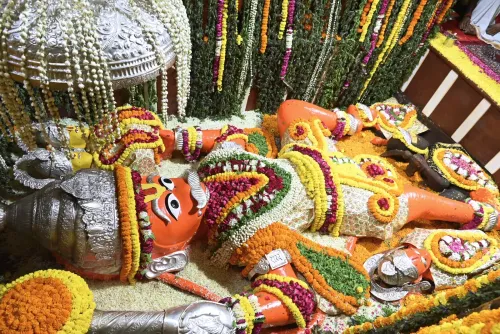
On the morning of Diwali 2026, Uttar Pradesh Chief Minister Yogi Adityanath travelled to Ayodhya to seek blessings at Hanumangarhi, one of the holiest Hanuman temples in the country, praying for the happiness, peace, good health, and prosperity of all.
Opening his post with the Sanskrit shloka 'Manojavam Marutatulyavegam...' — a verse that extols Lord Hanuman as swift as the mind, as powerful as the wind, master of the senses, and the foremost among the wise — CM Yogi described the Diwali occasion as a 'pavan utsav' (sacred celebration) of Lord Ram's ideals and the glorious heritage of Indian culture.
Hanumangarhi and the Diwali-Ayodhya Connection
Hanumangarhi, a fort-like temple atop a hillock in the heart of Ayodhya, is dedicated to Sankat Mochan (the remover of obstacles) Hanuman. It is among the most visited shrines in the city and draws hundreds of thousands of pilgrims each year, with footfall surging sharply during Diwali — a festival that traces its origins to Lord Ram's return to Ayodhya after fourteen years of exile. The symbolic resonance of the festival with the city is total: Ayodhya is, by tradition, where the story began and ended.
Yogi's Ayodhya Visits as a Governance Statement
Yogi Adityanath, as head of the Gorakhnath Math in Gorakhpur, occupies a rare dual identity — elected chief minister and active mahant (religious head). His temple visits, particularly to Ayodhya, are a consistent and visible thread in his public persona, underscoring the Uttar Pradesh government's broader push to position Ayodhya as a premier religious-tourism destination. Since the Ram Temple inauguration, state investment in temple-precinct infrastructure, ghats, roads, and pilgrim facilities has accelerated substantially. Each high-profile visit reinforces that institutional momentum.
Closing his post with 'Jai Bajrangbali' — the popular invocation of Lord Hanuman — the Chief Minister extended the season's greetings through devotion rather than a formal address, in keeping with the spirit of the occasion.
Point of View
He reinforces the Uttar Pradesh government's post-Ram Temple narrative that positions the city as the cultural and spiritual capital of the BJP's governance model. The Sanskrit shloka opening lifts the post above standard festival greetings, projecting a literate, tradition-rooted identity that resonates with the party's core base. Expect this Ayodhya-anchored symbolism to intensify ahead of any upcoming electoral cycle in the state.
NationPress
8 Nov 2026
Frequently Asked Questions
Where did CM Yogi go on Diwali 2026?
CM Yogi Adityanath visited Hanumangarhi temple in Ayodhya on Diwali 2026, performing prayers for the well-being of all citizens.
What is Hanumangarhi in Ayodhya?
Hanumangarhi is a prominent fort-like Hanuman temple situated on a hillock in the heart of Ayodhya, dedicated to Sankat Mochan (the remover of obstacles) Hanuman, and is one of the most visited shrines in the city.
What Sanskrit shloka did CM Yogi post for Diwali?
CM Yogi began his post with the shloka 'Manojavam Marutatulyavegam Jitendriyam Buddhimatam Varishtham...' , a traditional verse praising Lord Hanuman as swift as thought, powerful as wind, and master of the senses.
Why is Diwali significant in Ayodhya?
Diwali is celebrated in Ayodhya as the festival marking Lord Ram's return to the city after fourteen years of exile — making Ayodhya the spiritual epicentre of the festival's origin story.
Why does CM Yogi frequently visit Ayodhya temples?
As head of the Gorakhnath Math , Yogi Adityanath holds a combined religious-political identity. His regular temple visits to Ayodhya also reinforce Uttar Pradesh's state policy of promoting Ayodhya as a premier religious-tourism destination, especially after the Ram Temple inauguration.