CM Yogi Inaugurates Navy Shaurya Vatika Phase 2 in Lucknow
Synopsis
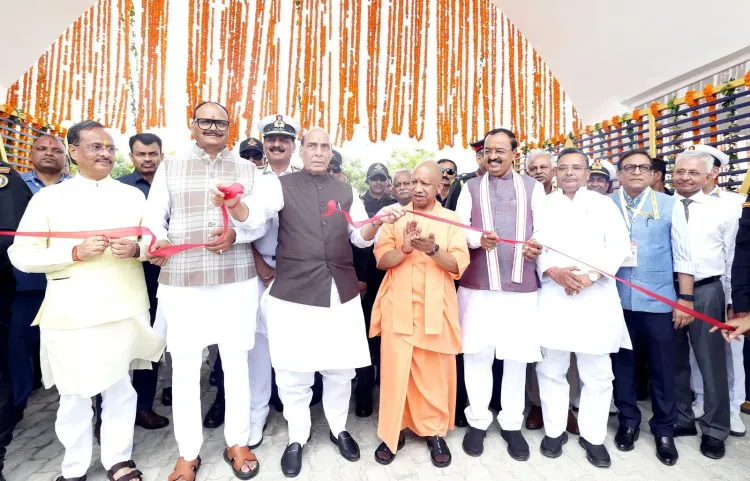
Uttar Pradesh CM Yogi Adityanath joined Defence Minister Rajnath Singh in Lucknow on 30 May 2026 to inaugurate Navy Shaurya Vatika — the second phase of a naval museum dedicated to Indian Navy valour and technology, aimed at bringing maritime heritage to an inland audience.
Key Takeaways
Navy Shaurya Vatika Phase 2 was inaugurated in Lucknow on 30 May 2026 .
The event was attended by CM Yogi Adityanath and Union Defence Minister Rajnath Singh .
The museum is dedicated to the valour, courage, and modern technological skills of the Indian Navy .
The project is part of a broader national push to decentralise military heritage infrastructure beyond coastal cities.
Lucknow residents and educational institutions are among the primary intended beneficiaries.
CM Yogi expressed confidence the museum will strengthen patriotic sentiment and spread awareness of the Indian Armed Forces .
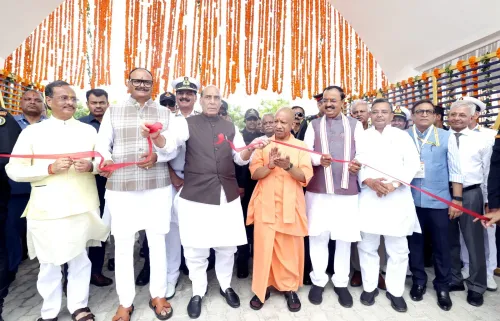
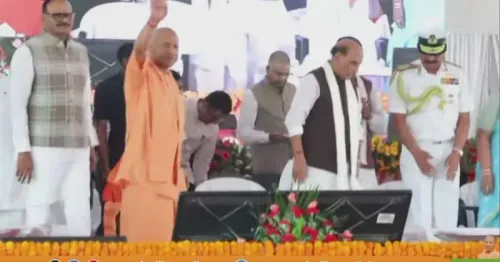
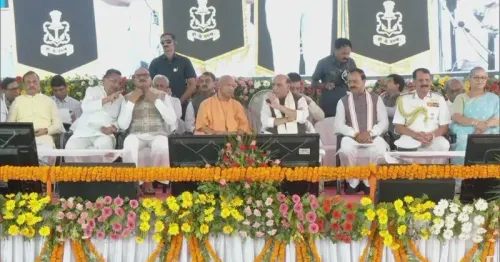
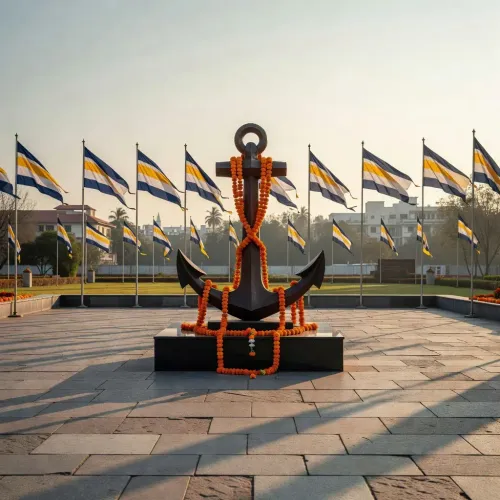
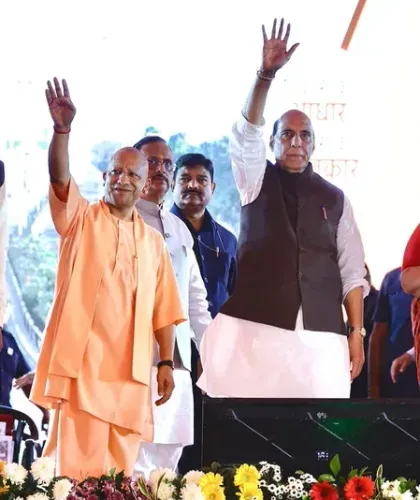
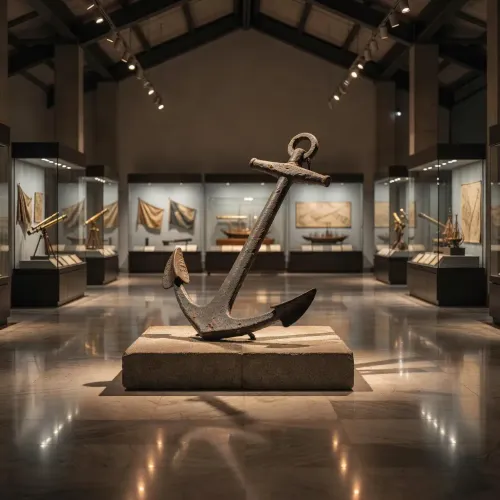
Uttar Pradesh Chief Minister Yogi Adityanath attended the inauguration of Navy Shaurya Vatika — the second phase of a naval museum in Lucknow — on Saturday, 30 May 2026, in the presence of Union Defence Minister Rajnath Singh. The facility is dedicated to showcasing the valour, courage, dedication, and modern technological prowess of the Indian Navy's maritime sentinels.
Context
In his post, CM Yogi wrote: 'जब हमारे वीर सैनिक राष्ट्र की सुरक्षा के लिए पूर्ण समर्पण, साहस और अनुशासन के साथ अपने कर्तव्यों का निर्वहन करते हैं' ['When our brave soldiers discharge their duties with complete dedication, courage and discipline for the protection of the nation'], it becomes the responsibility of every citizen to hold them in respect and gratitude. He described the museum as a programme dedicated to the 'vigilant guardians of water borders.' The Chief Minister extended warm felicitations to all brave soldiers and officers of the Indian Navy and congratulated the residents of Lucknow.
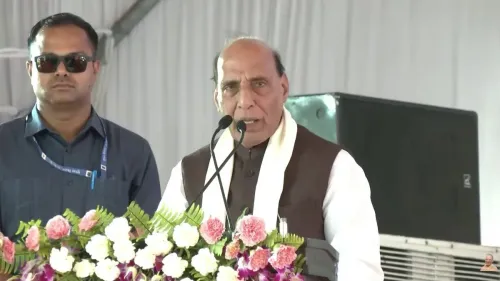
The event marks the public opening of the second phase of what is being positioned as a landmark defence-heritage institution in the heart of Uttar Pradesh. Defence Minister Rajnath Singh, who represents the Lucknow parliamentary constituency, presided over the inauguration ceremony.
Policy Backdrop
The Navy Shaurya Vatika fits into a broader national effort, accelerated since 2014, to decentralise military heritage infrastructure beyond the traditional hubs of Delhi, Mumbai, and Visakhapatnam. The National War Memorial in New Delhi, inaugurated in 2019, set a precedent for large-scale public monuments honouring armed forces personnel. The Indian Navy has for decades maintained museums at its principal commands, but facilities in inland state capitals represent a newer trend.
By bringing naval history and heritage to Lucknow, the project aims to connect a largely landlocked population with the maritime dimension of India's national security. State and central governments have increasingly collaborated on such projects to strengthen what policymakers describe as 'nationalistic sentiment' and public awareness of the armed forces.
Stakeholders and Impact
The primary beneficiaries are Indian Navy personnel and veterans whose service and sacrifices will be commemorated in a permanent public space. For residents of Lucknow and the wider Uttar Pradesh population — one of India's most populous states — the museum provides accessible exposure to naval history and military heritage that would otherwise require travel to coastal cities.
Educational institutions and youth groups are expected to be key visitors, with the museum designed to foster patriotic awareness among younger generations. The presence of both the state's Chief Minister and the Union Defence Minister at the launch underscores the political and institutional weight behind the initiative.
What's Next
The opening of the second phase raises the prospect of further expansion of the Navy Shaurya Vatika complex, as well as the possibility of similar defence-heritage museums being established in other state capitals. Follow-up visits by senior naval officials and potential integration of the facility into school and college curricula are anticipated. CM Yogi expressed full confidence that the museum 'will become an important medium for strengthening the spirit of patriotism and taking the glorious saga of the Indian Armed Forces to every person.' The Lucknow model could serve as a template for inland states seeking to deepen their connection with India's tri-service military heritage.
Point of View
Visible symbols of national security consciousness outside the traditional power corridors of Delhi and coastal commands. The inland naval museum model, if replicated, could reshape how citizens in non-coastal states perceive and engage with India's maritime defence establishment.
NationPress
14 Oct 2026
Frequently Asked Questions
What is Navy Shaurya Vatika in Lucknow?
Navy Shaurya Vatika is a naval museum in Lucknow dedicated to the valour, courage, dedication, and modern technological capabilities of the Indian Navy. The facility inaugurated on 30 May 2026 is its second phase.
Who inaugurated Navy Shaurya Vatika Phase 2?
The second phase of Navy Shaurya Vatika was inaugurated in the presence of Union Defence Minister Rajnath Singh, with Uttar Pradesh Chief Minister Yogi Adityanath also attending the ceremony on 30 May 2026.
Why is a naval museum located in Lucknow, an inland city?
Lucknow is the capital of Uttar Pradesh, and the museum is part of a broader national effort to bring military heritage closer to inland populations who may have limited exposure to India's maritime defence history.
What is the significance of Navy Shaurya Vatika for UP residents?
The museum provides Lucknow residents and the wider Uttar Pradesh population with accessible, permanent exposure to Indian Navy history, valour, and technology, and is expected to serve educational institutions and youth groups.
Is this the first naval museum outside a coastal city in India?
While the Indian Navy has operated museums at its principal coastal commands for decades, the Lucknow facility represents the newer trend of establishing naval heritage spaces in inland state capitals as part of a decentralisation of defence-related cultural infrastructure.