CM Yogi Opens UP Assembly Session, Calls Legislature Voice of the Poor
Synopsis
Chief Minister Yogi Adityanath welcomed members to the Uttar Pradesh Vidhan Sabha on 3 August 2026, calling the legislature the most effective platform for delivering the concerns of the poor, farmers, youth, and women to governance — and citing nine years of legislative feedback shaping state schemes.
Key Takeaways
The Uttar Pradesh Vidhan Sabha session convened on 3 August 2026 , with CM Yogi Adityanath addressing all attending members.
Adityanath described the legislature as 'the most important medium' for carrying ordinary citizens' voices to governance and administration.
The CM highlighted four priority groups : the poor, farmers, youth, and women, as the focus of legislative deliberation.
He cited nine years (since March 2017) of legislative feedback being converted into welfare schemes as evidence of the model's effectiveness.
No specific scheme names or statistics were attached to the claim of 'widespread positive change' in the state.
Session outcomes — resolutions, orders, or budget moves on farmer, youth, and women's issues — will be the practical test of the CM's stated framework.
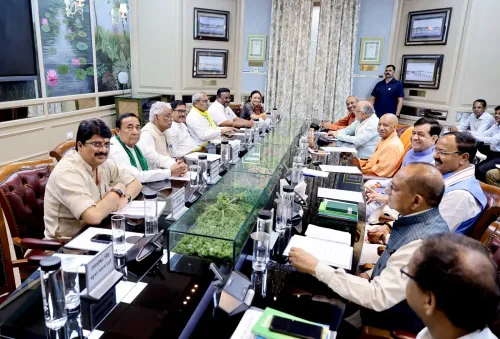
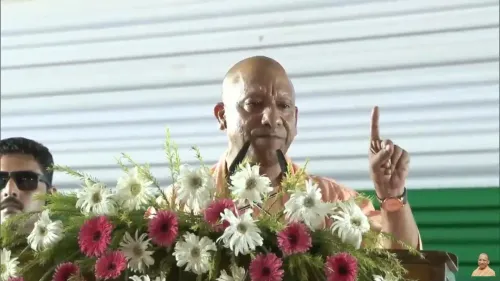
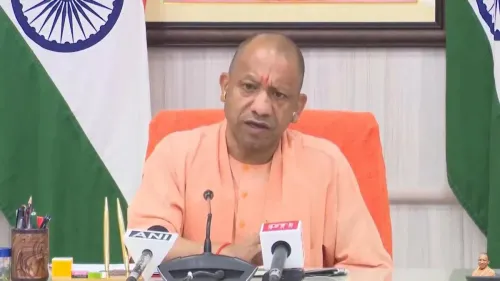
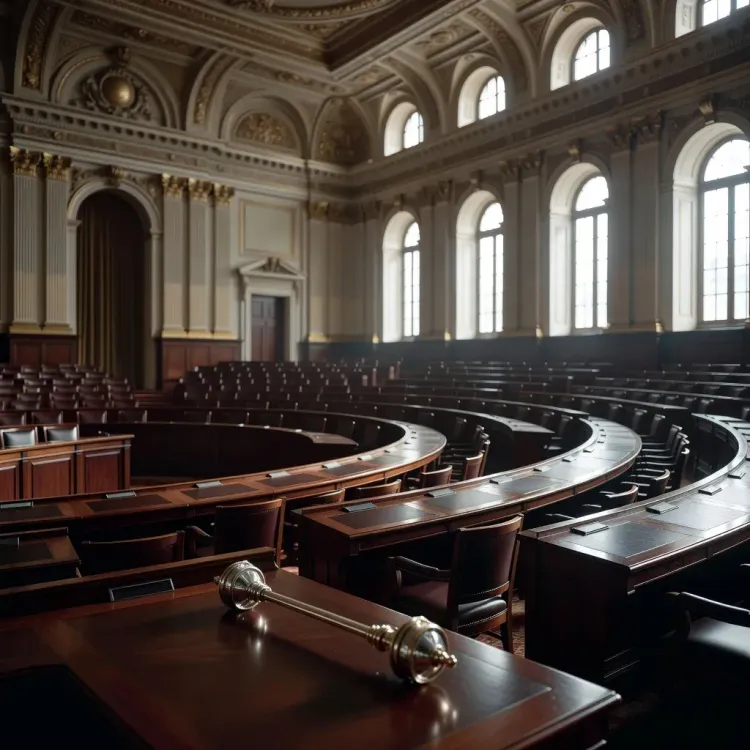
As elected representatives filed into the Uttar Pradesh Vidhan Sabha on Monday, 3 August 2026, Chief Minister Yogi Adityanath framed the occasion as far more than a procedural gathering — he called the legislature the single most effective platform in the parliamentary system for carrying the concerns of ordinary citizens into the halls of governance.
Quoting the Chief Minister directly, the Chief Minister's Office of Uttar Pradesh posted: 'Vidhaayika aamjan ki aawaz ko shaasan-prashaasan tak pahunchane ka sabse mahattvapurna madhyam hoti hai' — 'The legislature is the most important medium for carrying the voice of ordinary people to governance and administration.' The statement, addressed to all members attending the session, singled out four groups — the poor, farmers, youth, and women — as the central subjects of legislative deliberation.
Nine Years of Legislative Feedback Shaping State Schemes
Adityanath pointed to the nine years since the BJP government took office in March 2017 as proof of the model at work. His argument: issues raised by elected representatives on the floor of the assembly have been reviewed and translated into schemes that drove what he described as 'widespread positive change' across the state. The claim is a broad one — no specific scheme names or statistics were attached — but it anchors the government's standing narrative that legislative debate is an active input into policy design, not a formality.
The Uttar Pradesh Vidhan Sabha is the legislative assembly of India's most populous state, making its sessions among the most consequential at any sub-national level in the country. Debates here on agriculture support, employment, and women's welfare carry weight that ripples across a state of over 240 million people.
What the Current Session Is Expected to Cover
The specific agenda for this August 2026 session has not been detailed in the post, but the Chief Minister's emphasis on farmers, youth, and women signals the thematic terrain the government expects to defend and advance. Observers will watch for any resolutions, government orders, or budget reallocations that emerge from the floor debates — the concrete test of whether the legislative-to-policy pipeline the CM described actually delivers in this sitting.
For a government that has consistently tied its political identity to welfare delivery and law-and-order, opening a session with this kind of statement is also a message to its own legislators: the assembly floor is where accountability is performed, and the outcomes will be measured.
Point of View
Not merely a legislative formality — a framing that reinforces the BJP's welfare-delivery narrative ahead of any potential political scrutiny of its nine-year record. By foregrounding farmers, youth, and women, the CM is signalling the government's priority battlegrounds for public opinion. This fits a broader pattern in BJP-governed states of publicly linking parliamentary processes with targeted development programmes, using the legislature as both a policy input mechanism and a communications stage. The session's actual output — in resolutions, orders, and spending — will determine whether the rhetoric holds.
NationPress
3 Aug 2026
Frequently Asked Questions
Why did CM Yogi Adityanath address the UP assembly session on 3 August 2026?
CM Yogi Adityanath welcomed members to the Uttar Pradesh Vidhan Sabha session, calling it an extremely important sitting and emphasising the legislature's role as the primary platform for raising issues of the poor, farmers, youth, and women.
What did CM Yogi say about the role of the legislature?
He said the legislature is the most important medium for carrying the voice of ordinary citizens to governance and administration, and the most effective platform in the parliamentary system for discussing and resolving issues affecting marginalised groups.
How long has the Yogi Adityanath government been in power in UP?
The Yogi Adityanath-led BJP government took office in Uttar Pradesh in March 2017 and was re-elected in 2022, making it nine years in power as of the August 2026 session.
Which groups did CM Yogi focus on in his assembly session address?
CM Yogi specifically named four groups as central to the session's agenda: the poor, farmers, youth, and women.
What should we watch for from the UP Vidhan Sabha August 2026 session?
Key things to watch include any resolutions, government orders, or budget allocations that emerge from floor debates on schemes affecting farmers, youth, and women — the concrete measure of whether the legislative-to-policy process the CM described produces results.