CM Yogi Orders Fire Safety Audits, Bans Basement Coaching
Synopsis
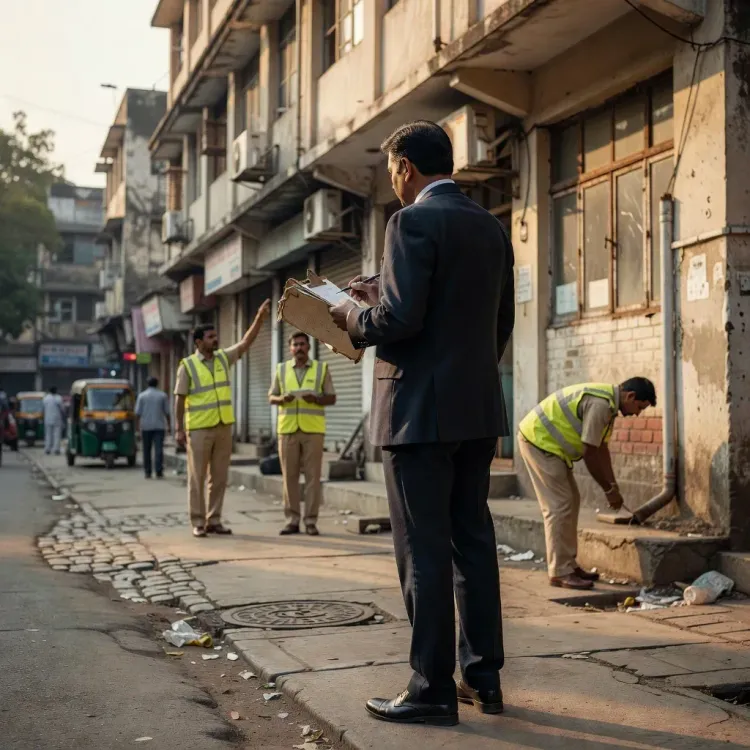
Chief Minister Yogi Adityanath has directed every Uttar Pradesh district to form special teams for fire safety audits and banned coaching centres, nursing homes, and other commercial activities from basements. Enforcement will follow a mandatory public awareness campaign, with strict orders against citizen harassment.
Key Takeaways
CM Yogi Adityanath has ordered the formation of special fire safety audit teams in each of Uttar Pradesh's 75 districts .
Basement operations of coaching institutes, nursing homes , and other commercial activities are declared unacceptable under any circumstances.
Buildings must be used strictly for the purpose for which they were officially approved .
A public awareness campaign must precede all enforcement action under the directive.
The Chief Minister explicitly prohibited harassment of citizens in the name of the compliance drive.
The order aligns with National Building Code standards and central NDMA guidelines on fire prevention.
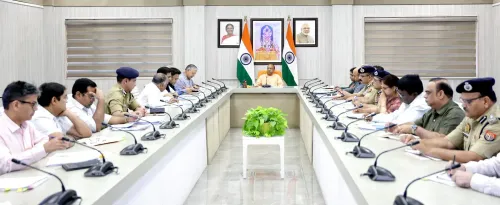
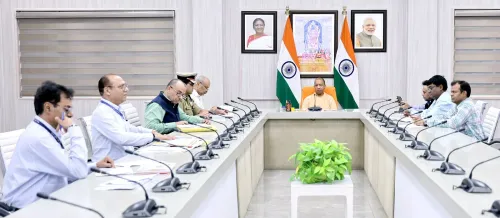
The Chief Minister's Office of Uttar Pradesh announced on Tuesday, 23 June 2026 that Chief Minister Yogi Adityanath has directed the formation of special teams in every district to conduct fire safety audits, and has categorically banned commercial activities — including coaching centres and nursing homes — from operating in basements.
Context
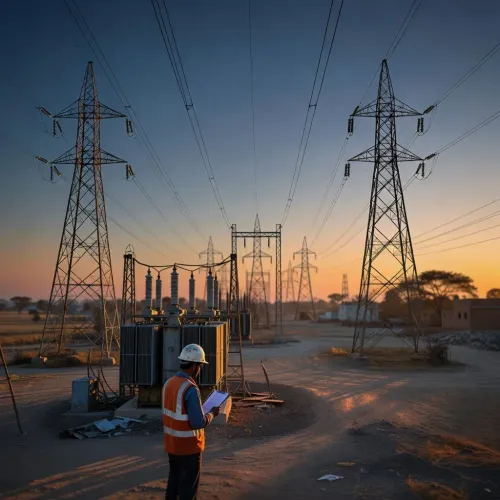
The directive, issued through the Chief Minister's Office, states that each district must constitute a dedicated team to carry out fire safety inspections of buildings. The Chief Minister's instructions, as shared by the official handle, read: 'प्रत्येक जनपद में विशेष टीम गठित कर फायर सेफ्टी ऑडिट कराया जाए' — 'a special team shall be formed in each district to conduct fire safety audits.'
CM Yogi further specified that a public awareness campaign must precede any enforcement action, and that no citizen should face harassment in the name of the drive. The directive makes clear that buildings must be used strictly for the purpose for which they received approval.
Policy Backdrop
The order is rooted in the National Building Code, the Bureau of Indian Standards framework that governs approved land use and structural safety requirements, including explicit restrictions on basement commercial activity. Uttar Pradesh, as India's most populous state, has a large urban stock of mixed-use buildings where basement floors are frequently repurposed for commercial operations without regulatory clearance.
State governments across India have periodically reinforced building bye-laws following a series of urban fire incidents reported since the 2010s. The National Disaster Management Authority (NDMA) has also issued central guidelines on fire prevention and public building standards that align with this approach. Uttar Pradesh's renewed push fits within a broader pattern of stricter urban governance reforms pursued by the state administration.
Stakeholders and Impact
District administrations and municipal bodies will bear direct responsibility for forming the audit teams and executing the awareness campaigns. Coaching institutes, nursing homes, and other businesses currently operating out of basement premises stand to face compliance notices once the campaign phase concludes and enforcement begins.
The Chief Minister's explicit instruction — 'अभियान के नाम पर किसी भी नागरिक का उत्पीड़न न हो' ('no citizen should be harassed in the name of the campaign') — signals that the state is conscious of the risk of arbitrary enforcement and has sought to build in a safeguard for residents and business owners.
What's Next
The immediate next step is the rollout of district-level special teams and the launch of public awareness drives across Uttar Pradesh's 75 districts. Compliance reporting from municipal bodies will follow, with action against violators taken only after the awareness phase is complete. The directive's emphasis on approved building use could invite scrutiny from courts and civil society groups monitoring enforcement actions against basement occupants.
How effectively the state balances regulatory compliance with the directive's explicit anti-harassment clause will determine the credibility and durability of this safety push — and could set a template for other states grappling with the same urban governance challenge.
Point of View
But its political weight lies in the dual mandate: enforce hard on unauthorised building use while protecting citizens from bureaucratic overreach. By sequencing awareness before action, the Yogi administration is hedging against the reputational risk of heavy-handed raids — a criticism that has dogged similar drives in other states. The explicit basement ban on coaching centres carries particular significance in a state where the coaching economy is vast and politically sensitive. Whether district machinery can execute this balance consistently across 75 districts will be the real test of the policy's impact.
NationPress
23 Jun 2026
Frequently Asked Questions
What has CM Yogi ordered regarding fire safety in Uttar Pradesh?
CM Yogi Adityanath has directed that a special team be formed in every district of Uttar Pradesh to conduct fire safety audits of buildings, with enforcement to follow a mandatory public awareness campaign.
Are coaching centres in basements now banned in Uttar Pradesh?
Yes. The Chief Minister has made clear that running coaching institutes, nursing homes, or any other commercial activity in basements is not acceptable under any circumstances in Uttar Pradesh.
Will there be action against buildings used for purposes other than their approved use?
Yes. CM Yogi has directed that every building must be used only for the purpose for which it received official approval, and violations will be addressed after the awareness campaign phase.
What is the National Building Code and how does it relate to this order?
The National Building Code is a Bureau of Indian Standards framework that governs approved building uses and safety requirements, including restrictions on basement commercial activity. The UP directive is consistent with these national standards.
Can citizens be penalised immediately under this fire safety drive?
No. The Chief Minister has specified that a public awareness campaign must come first, and has explicitly ordered that no citizen should be harassed in the name of the compliance drive before enforcement begins.