CM Yogi Reviews UP Power Supply Ahead of Peak Summer
Synopsis
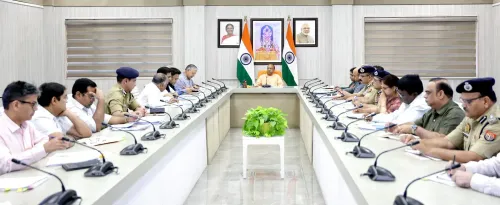
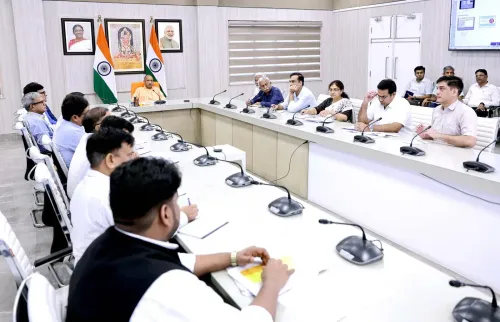
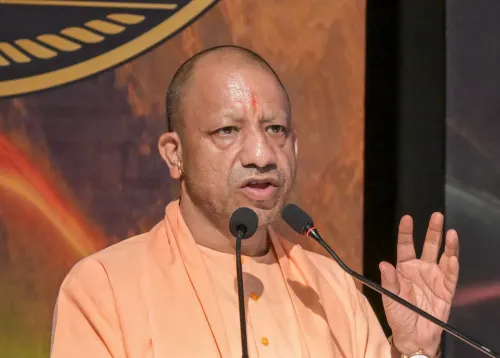
Chief Minister Yogi Adityanath on 24 May 2026 reviewed Uttar Pradesh's power supply system in Lucknow, directing Energy Department and DISCOM officials to ensure uninterrupted electricity in urban and rural areas by running all generation units at full capacity amid peak summer demand.
Key Takeaways
CM Yogi Adityanath chaired a power-sector review on 24 May 2026 in Lucknow .
Officials from the Energy Department , UPPCL , and all DISCOMs attended the meeting.
The Chief Minister directed that all generation units operate at full capacity during the summer peak.
Continuous monitoring of plant operations was mandated to prevent supply disruptions.
The directive targets uninterrupted supply for both urban and rural consumers amid intense heat.
The review continues Uttar Pradesh's annual summer power-preparedness cycle in place since 2017.
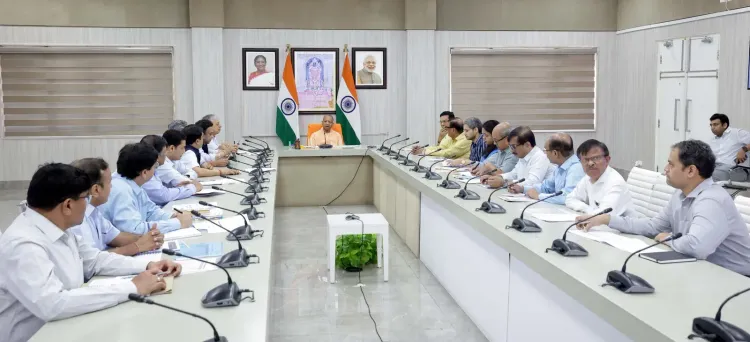
The Chief Minister's Office of Uttar Pradesh announced on Sunday, 24 May 2026 that Chief Minister Yogi Adityanath chaired a high-level review of the state's electricity supply system in Lucknow, meeting with senior officials from the Energy Department, Uttar Pradesh Power Corporation Limited (UPPCL), and all DISCOMs.
Context
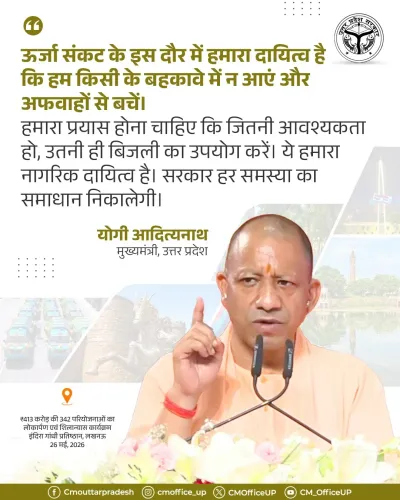
The post, shared from the official CMO account, states that the Chief Minister directed officials to ensure nirbadh vidyut aapurti (uninterrupted power supply) in both urban and rural areas, keeping in view bheeshaN garmi aur badhti bijli maang (intense heat and rising electricity demand). He specifically instructed that all generation units operate at full capacity and that their functioning be subject to continuous monitoring.
The review comes as northern India enters its most demanding power-consumption period, when soaring temperatures drive simultaneous load from air conditioners, agricultural pumps, and industrial units across the state.
Policy Backdrop
Since 2017, the Yogi Adityanath government has institutionalised periodic high-level power-sector reviews as part of a broader push to reduce outages and improve grid reliability. The state aligned with the central UDAY scheme — launched in 2015 — to bring down aggregate technical and commercial (AT&C) losses and separate distribution functions from generation and transmission.
UPPCL oversees transmission and coordinates the multiple DISCOMs that deliver electricity at the retail level. The emphasis on running all generation units at full capacity during summer peaks has been a recurring directive in this annual preparedness cycle, reflecting the state's expanding electrification footprint and growing industrial load.
Stakeholders and Impact
The directive has direct implications for urban consumers seeking relief from heat, rural households dependent on stable supply for daily needs, and farmers running irrigation pumps during the critical summer agricultural season. Industrial units across the state also stand to benefit from more predictable supply, which directly affects output and operational costs.
DISCOM field staff and engineers will bear the operational responsibility of executing the monitoring mandate, maintaining feeder-level vigilance and responding to faults in real time.
What's Next
Attention will now turn to how effectively generation plants sustain full-capacity operation through the peak summer months and whether distribution losses narrow measurably. Any follow-up announcements on capacity addition, renewable energy integration, or targeted infrastructure upgrades for high-stress feeders will signal the administration's longer-term response to the state's growing power demand.
The coming weeks will serve as a practical test of Uttar Pradesh's power infrastructure under seasonal stress, with the government's performance on uninterrupted supply likely to shape public and political assessments ahead of the next legislative cycle.
Point of View
With high-visibility ministerial oversight used as a signal of accountability to consumers. Holding this meeting in late May — the cusp of peak demand — fits a deliberate pattern of pre-emptive administrative action rather than reactive crisis management. The insistence on full-capacity generation and real-time monitoring reflects the state's awareness that any prolonged outage during summer carries significant political cost, particularly in rural constituencies where electrification gains are still recent. Longer term, sustaining these directives will require structural improvements in plant availability and distribution infrastructure, not just seasonal oversight.
NationPress
9 Oct 2026
Frequently Asked Questions
Why did CM Yogi hold a power review meeting in May 2026?
CM Yogi convened the meeting on 24 May 2026 to address rising electricity demand during intense summer heat, directing officials to ensure uninterrupted supply across urban and rural Uttar Pradesh.
What did CM Yogi instruct DISCOM and UPPCL officials?
He instructed all generation units to operate at full capacity and ordered continuous monitoring of plant operations to prevent outages during the summer peak.
Which agencies were part of the UP power review meeting?
The meeting included officials from the Uttar Pradesh Energy Department, UPPCL (Uttar Pradesh Power Corporation Limited), and all state DISCOMs (distribution companies).
What is UPPCL and what role does it play in UP's electricity supply?
UPPCL is the state-owned Uttar Pradesh Power Corporation Limited, which manages transmission and oversees the DISCOMs responsible for delivering retail electricity to consumers across the state.
How does Uttar Pradesh manage summer electricity demand every year?
Since 2017 the state has conducted annual summer power-preparedness reviews, directing maximum generation output and real-time distribution monitoring to handle the seasonal spike in demand from households, farms, and industry.