CM Yogi Orders Mission-Mode Fire Safety Audit Across UP
Synopsis
Chief Minister Yogi Adityanath ordered a statewide mission-mode fire safety audit on 23 June 2026 after reviewing a Lucknow fire incident, directing strict compliance in hospitals, nursing homes, medical colleges, coaching institutes, and shopping malls across Uttar Pradesh.
Key Takeaways
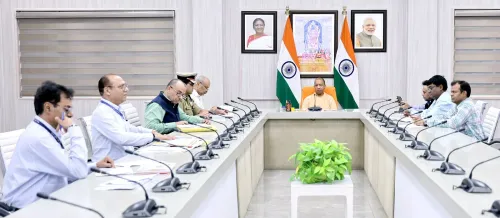
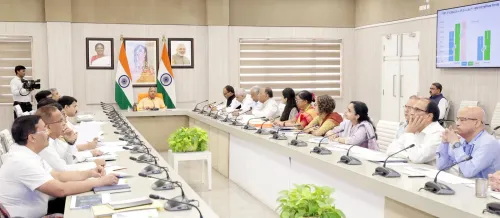
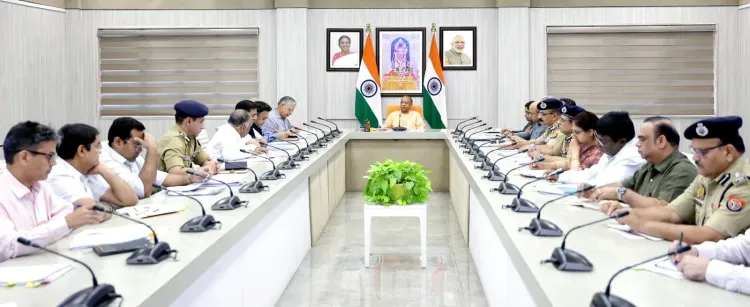
CM Yogi Adityanath chaired a review meeting with senior officials on Tuesday, 23 June 2026 following a fire accident in Lucknow .
He declared the incident 'a major lesson for the entire state' and ordered zero tolerance for fire safety negligence.
A comprehensive fire safety audit campaign is to be launched across Uttar Pradesh in mission mode .
Establishments specifically targeted include hospitals, nursing homes, medical colleges, coaching institutes, shopping malls , and other commercial premises.
The directive signals a shift from periodic inspections to an accelerated, state-wide enforcement regime.
District-level compliance reports and potential building closures or penalties are expected as follow-up actions.
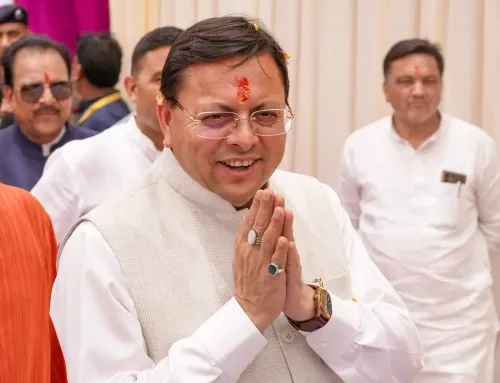
Chief Minister Yogi Adityanath on Tuesday evening, 23 June 2026, chaired a high-level review meeting with senior officials in Lucknow to assess a fire accident that occurred in the city the previous day, declaring the incident 'a major lesson for the entire state' and ordering a statewide fire safety audit drive in mission mode.
Context
The Chief Minister's Office of Uttar Pradesh announced that CM Yogi Adityanath convened the meeting to review the circumstances of the Lucknow fire incident and draw immediate administrative lessons from it. Addressing officials, he stated — 'yah ghatna pure pradesh ke liye ek bada sabak hai' ('this incident is a major lesson for the entire state') — and made clear that negligence in fire safety compliance would not be tolerated.
He directed that a comprehensive fire safety audit campaign be launched across Uttar Pradesh in mission mode without delay, signalling a shift from periodic inspections to an accelerated, state-wide enforcement push.
Policy Backdrop
The directive follows an established pattern in Indian state governance: a serious fire incident triggers an immediate review, followed by mission-mode compliance drives targeting high-risk establishments. Uttar Pradesh has conducted similar fire safety inspections and enforcement rounds since 2017, linking them to broader urban governance and disaster management frameworks under the Yogi Adityanath administration.
The National Building Code of India prescribes fire safety norms for commercial and institutional buildings, but enforcement has historically been uneven, particularly in rapidly growing Tier-2 cities and urban clusters across the state. Repeated fire accidents in hospitals and educational institutions nationally have kept the issue on the policy agenda.
Stakeholders and Impact
CM Yogi specifically named the categories of establishments that must ensure strict compliance: hospitals, nursing homes, medical colleges, coaching institutes, shopping malls, and other commercial establishments. This list reflects the venues most frequently associated with mass-casualty fire risks in Indian cities, where occupancy density is high and evacuation infrastructure is often inadequate.
Healthcare providers and educational institutions — particularly the large coaching institute ecosystem concentrated in cities like Prayagraj and Lucknow — will face heightened scrutiny. Commercial real estate operators and mall management bodies across the state are also directly in scope of the audit mandate.
What's Next
Officials are expected to roll out district-level fire safety audit schedules in the coming days, with compliance reports feeding back to the state administration. The emphasis on 'mission mode' suggests a time-bound, monitored campaign rather than routine inspection cycles, with the possibility of penalties or building closures for non-compliant establishments.
The broader implication is that Uttar Pradesh is signalling a shift toward proactive fire safety governance — moving from reactive post-incident inspections to a structured, pre-emptive audit regime that, if sustained, could set a benchmark for building safety enforcement in India's most populous state.
Point of View
Thereby demonstrating executive responsiveness. For the Yogi Adityanath administration, which has consistently positioned itself as a law-and-order and compliance-first government, a mission-mode audit drive also serves as a visible administrative signal ahead of any potential scrutiny over the Lucknow incident itself. The explicit targeting of coaching institutes is notable, given the national attention that fire and safety lapses in such facilities have attracted in recent years. Whether this drive translates into sustained enforcement or remains a short-cycle response will be the real test of its policy significance.
NationPress
23 Jun 2026
Frequently Asked Questions
What did CM Yogi Adityanath announce after the Lucknow fire accident?
CM Yogi Adityanath ordered a comprehensive, mission-mode fire safety audit across all of Uttar Pradesh after reviewing the Lucknow fire incident in a meeting with senior officials on 23 June 2026.
Which establishments will be covered in UP's fire safety audit?
The audit will cover hospitals, nursing homes, medical colleges, coaching institutes, shopping malls, and other commercial establishments across Uttar Pradesh.
What did CM Yogi say about fire safety negligence in UP?
CM Yogi stated that no negligence in compliance with fire safety standards will be accepted, signalling a strict enforcement stance across the state.
Why is UP conducting a statewide fire safety audit in 2026?
The audit was triggered by a fire accident in Lucknow, which CM Yogi described as 'a major lesson for the entire state,' prompting an immediate state-wide compliance drive.
What is mission-mode fire safety audit in Uttar Pradesh?
A mission-mode audit is a time-bound, monitored enforcement campaign — as opposed to routine periodic inspections — aimed at rapidly assessing and ensuring fire safety compliance across high-risk buildings in the state.