CM Yogi Orders Police Radio, CCTV Dashboard Upgrade in UP
Synopsis
Chief Minister Yogi Adityanath has directed UP Police to develop a central live-CCTV dashboard covering all police stations and strengthen the police radio unit to ensure secure, uninterrupted communication — especially in remote districts — as part of a broader push to modernise the state's law-enforcement infrastructure.
Key Takeaways
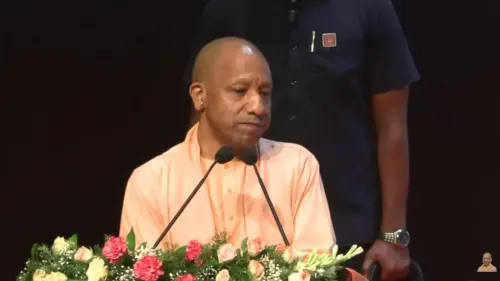
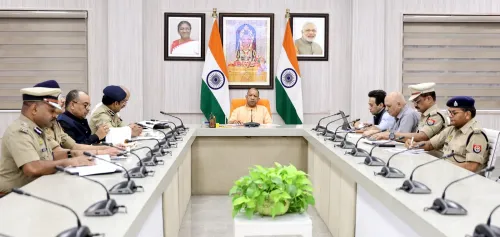
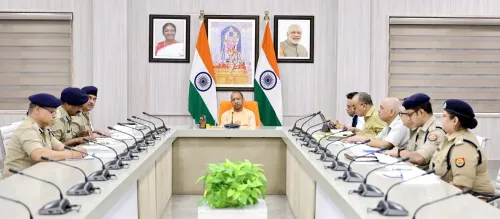
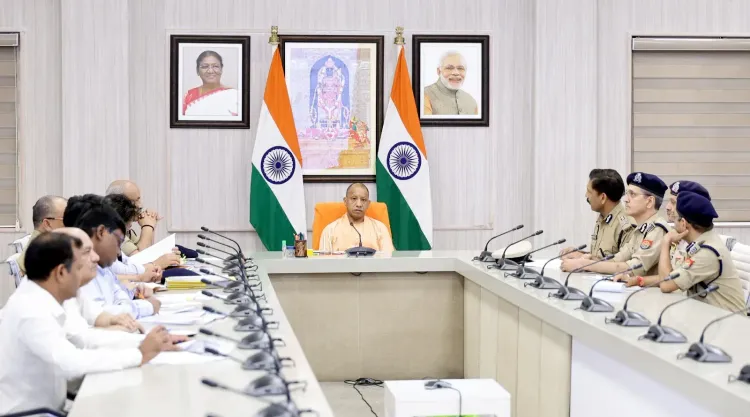
CM Yogi Adityanath chaired a high-level review meeting on 24 May 2026 focused on police modernisation in Uttar Pradesh .
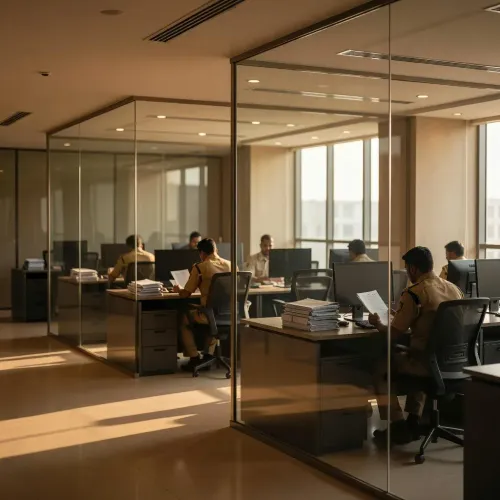
He directed the development of a central dashboard for live monitoring of CCTV footage from all police stations across the state.
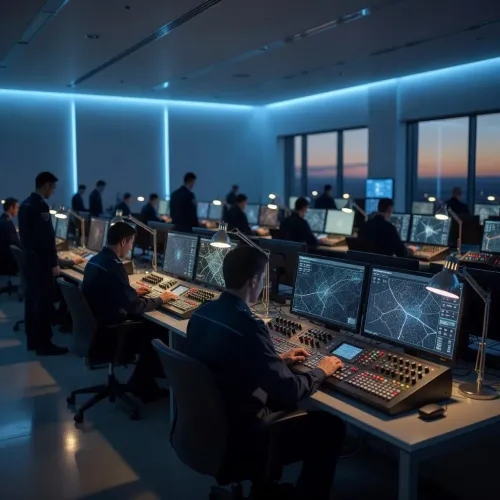
Strengthening the police radio unit was ordered to ensure seamless, secure communication in remote areas.
The CM identified confidentiality of police location, movement, and communications as the government's top priority.
The directives build on UP's phased participation in the national CCTNS police digitisation project since 2017.
Rollout timelines and budget allocations for both initiatives are yet to be publicly announced.
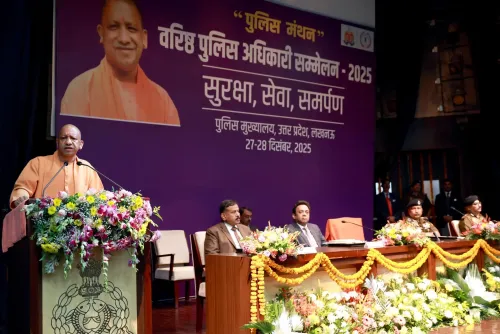
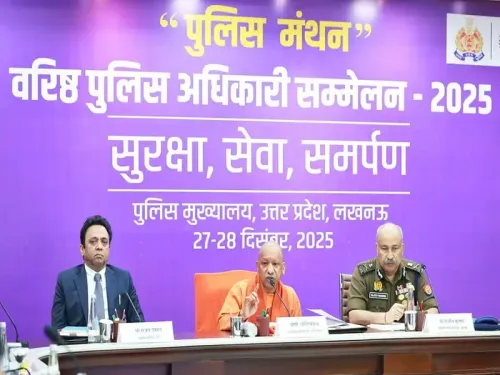
Chief Minister Yogi Adityanath chaired a high-level review meeting on Sunday, 24 May 2026, directing the strengthening of Uttar Pradesh Police's radio unit to make the state's policing infrastructure more modern, secure, and technology-driven. The Chief Minister's Office of Uttar Pradesh announced the directives via an official post, underscoring that the confidentiality of police locations, movements, and communications is the government's top priority.
What Was Directed
At the review meeting, CM Yogi issued two headline instructions. First, a central dashboard must be developed to enable live monitoring of CCTV footage from all police stations across the state. Second, seamless and secure communication must be ensured in remote and far-flung areas of Uttar Pradesh through a reinforced police radio network.
The CM's office quoted him as saying: 'pulis ki location, movement evam sanchar gatividhiyon ki gopaniyata sarvoch prathamikta hai' ['The confidentiality of police location, movement, and communication activities is the highest priority']. The directive signals a push to close surveillance and coordination gaps, particularly in districts where network connectivity remains thin.
Policy Backdrop
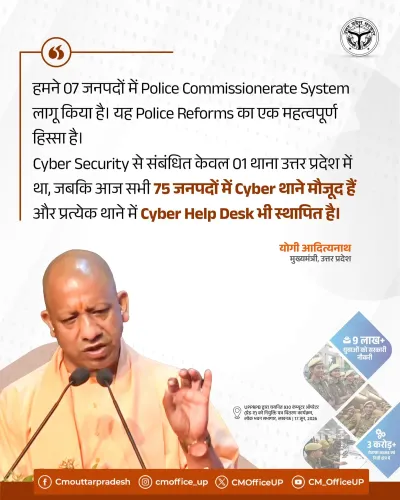
These instructions fit into a longer arc of police modernisation that Uttar Pradesh has pursued since 2017, when the present state government took office with a stated law-and-order mandate. The state has been a phased participant in the Crime and Criminal Tracking Network and Systems (CCTNS), a nationwide digitisation project launched by the Ministry of Home Affairs in 2009 to link police stations on a common digital platform.
The emphasis on a centralised CCTV dashboard echoes smart-city surveillance frameworks being adopted by several Indian states, where command-and-control centres aggregate feeds from hundreds of cameras for real-time oversight. Strengthening the police radio unit addresses a parallel gap: encrypted, interference-resistant voice communication that does not depend on commercial mobile networks, which can fail or be monitored during sensitive operations.
Stakeholders and Impact
Uttar Pradesh Police, which operates across 75 districts and is responsible for law and order in India's most populous state, stands to be the primary beneficiary of both upgrades. Officers in remote postings — where mobile connectivity is unreliable — would gain more dependable communication links, reducing response-time gaps during emergencies or law-enforcement operations.
Residents in those underserved areas would also benefit indirectly: better-connected police presence typically correlates with faster incident response and improved accountability. The live CCTV monitoring dashboard, once operational, would give supervisory officers at the state level visibility into station-level activity without requiring physical inspections.
What to Watch
The immediate questions are budgetary and logistical: how quickly the state government releases funds for the central dashboard's development and the radio-unit expansion, and which districts are prioritised first. Rollout timelines for both components have not yet been announced publicly.
Broader alignment with central Ministry of Home Affairs funding streams — including CCTNS upgrade grants — will determine how much of the cost is borne by the state versus shared with New Delhi. Progress on these directives is likely to be reviewed in subsequent high-level meetings, making the next few months a critical window for implementation planning.
Point of View
Headline-friendly move that also addresses a genuine operational gap — supervisory oversight of 75 districts without relying on manual reporting chains. The radio-unit push is more technical but arguably more consequential: encrypted, independent communications are a force-multiplier in a state where several districts remain mobile-network-dark during crises. Together, the two directives signal that Uttar Pradesh is trying to close the gap between its ambitions on smart policing and the ground-level infrastructure reality.
NationPress
22 Oct 2026
Frequently Asked Questions
What did CM Yogi announce for UP Police on 24 May 2026?
CM Yogi Adityanath directed UP Police to develop a central dashboard for live CCTV monitoring of all police stations and to strengthen the police radio unit for secure, uninterrupted communication in remote areas.
What is the central CCTV dashboard for UP Police stations?
It is a proposed centralised digital platform that would aggregate live CCTV feeds from every police station in Uttar Pradesh, allowing supervisory officers to monitor station activity in real time from a single interface.
Why is UP strengthening its police radio unit?
The police radio unit provides encrypted, independent voice communication that does not rely on commercial mobile networks, which can fail or be compromised during sensitive operations — particularly in remote districts of Uttar Pradesh.
What is CCTNS and how does it relate to UP Police modernisation?
The Crime and Criminal Tracking Network and Systems (CCTNS) is a national police digitisation project launched by the Ministry of Home Affairs in 2009. Uttar Pradesh has been implementing it in phases since 2017, and the new CCTV and radio directives align with that broader modernisation agenda.
When will the UP Police central CCTV dashboard be ready?
No public rollout timeline has been announced yet. The directives were issued at a high-level review meeting on 24 May 2026, and implementation schedules are expected to be detailed in subsequent official communications.