CM Yogi pays tribute to 26/11 Mumbai attack victims

Synopsis
Uttar Pradesh CM Yogi Adityanath paid tribute to those killed in the 26/11 Mumbai attacks, calling terrorism humanity’s greatest enemy and restating New India’s zero-tolerance commitment.
Key Takeaways
Uttar Pradesh Chief Minister Yogi Adityanath on Thursday paid tribute to civilians and security personnel killed in the 26/11 Mumbai attacks.
He called terrorism humanity’s greatest enemy and said New India is committed to its eradication with unity, firm will and zero tolerance.
The 26/11 attacks, from 26 to 29 November 2008, were carried out by Lashkar-e-Taiba militants and killed 166 people.
India created the National Investigation Agency in 2009 to handle terror cases across states.
Zero tolerance has been a consistent official framing of counter-terrorism policy since 2014.
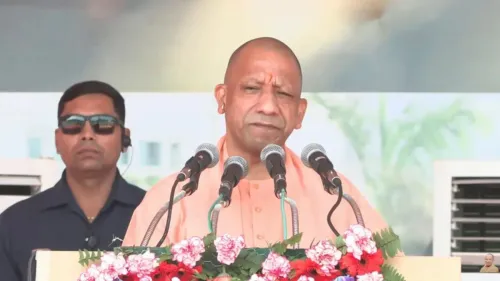
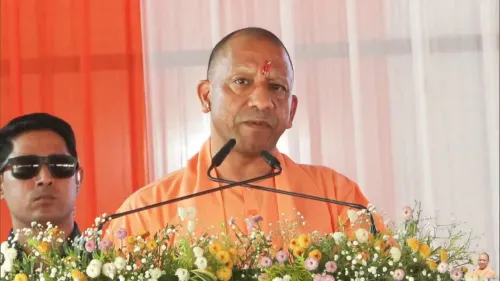
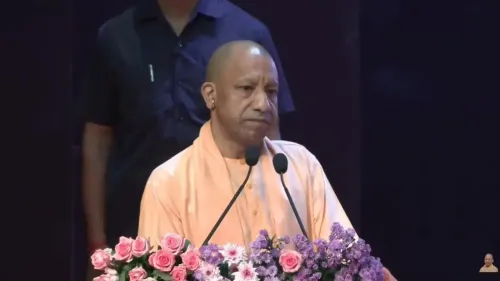
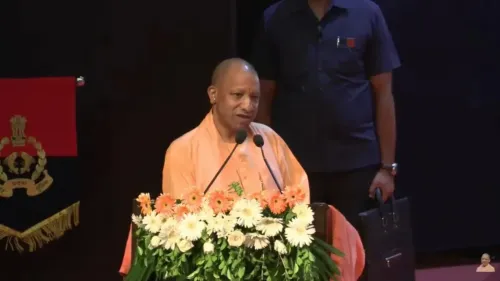
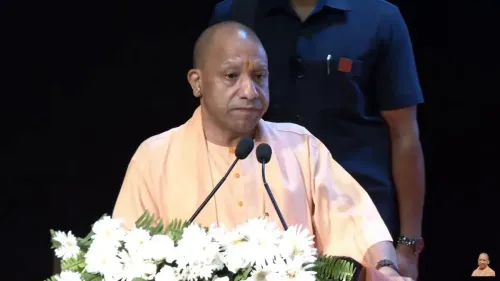
Eighteen years to the day after militants laid siege to Mumbai, Uttar Pradesh Chief Minister Yogi Adityanath on Thursday paid tribute to those killed in the 26/11 attacks and said a ‘New India’ remains committed to eradicating terrorism through unity, firm will and zero tolerance.
In a Hindi-language post on X, he called terrorism humanity’s greatest enemy. He offered a humble tribute to every innocent civilian and brave security personnel who died in what he termed the cowardly 26/11 assault in Mumbai, and said naya Bharat (New India) is committed to wiping terrorism out.
His words, in English, ran: terrorism is humanity’s greatest enemy; humble tributes to all innocent civilians and brave security personnel who lost their lives; New India is committed to its eradication with complete unity, firm willpower and a policy of zero tolerance.
166 lives lost across four days in 2008
The 26/11 Mumbai attacks ran from 26 to 29 November 2008. Lashkar-e-Taiba militants struck hotels, a railway terminus, a Jewish centre and other sites across the city. The assault killed 166 people — civilians, foreign visitors and security personnel who confronted the gunmen over four days.
Live images of a megacity under siege recast India’s internal-security debate. In 2009, Parliament created the National Investigation Agency so terror cases could be pursued across state lines rather than remaining trapped in local police jurisdiction.
Zero tolerance after 2014
Adityanath’s phrasing tracks the line the Narendra Modi government has used since 2014: zero tolerance for terrorism, especially terrorism with a cross-border imprint. ‘New India’ is the political slogan attached to that posture — a unified state that treats terror as a first-order national-security problem, not a law-and-order afterthought.
The Chief Minister, in office in Lucknow since 2017 and head of the Gorakhnath Math, is a regular voice on this theme. Thursday’s post did not announce a new law or an operation. It placed a state leader’s annual remembrance inside a national security frame that BJP leaders have repeated each 26 November since the attacks.
Families, forces and the annual return
Families of the dead and serving security forces remain the people this commemoration is for. After 2008, India built a specialised federal agency and tightened political language around terror groups operating from across the border.
Each November the country returns to the same sites and the same unresolved demand — that the next generation not have to write another such tribute.
Point of View
And especially post-2014, counter-terror line rather than to announce new measures. The invocation of New India and zero tolerance links a state chief minister to the Centre’s security narrative on cross-border terrorism. The NIA’s creation in 2009 remains the principal institutional marker of that era. Watch for whether the same language reappears around NIA work and anti-terror law in the months ahead.
NationPress
26 Nov 2026
Frequently Asked Questions
What did Yogi Adityanath say on 26/11?
He called terrorism humanity’s greatest enemy, paid tribute to civilians and security personnel killed in the Mumbai attacks, and said New India is committed to eradicating terrorism with unity, firm will and zero tolerance.
How many people died in the 26/11 Mumbai attacks?
The attacks killed 166 people, including civilians, foreign nationals and security personnel, between 26 and 29 November 2008.
When did the 26/11 Mumbai attacks take place?
The coordinated assaults ran from 26 to 29 November 2008 and were carried out by Lashkar-e-Taiba militants at multiple sites across Mumbai.
Why was the NIA created after 26/11?
India created the National Investigation Agency in 2009 so terror-related cases could be investigated across state lines instead of remaining with local police alone.
What does zero tolerance on terrorism mean in this context?
It is the official framing used by the central government since 2014, and echoed by leaders such as Yogi Adityanath, that India will not accommodate terrorism, including cross-border terrorism, as a negotiable security problem.