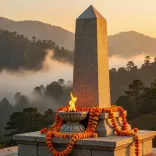
CM Yogi Pays Tribute to Ghazipur's Gahmar and Its 1857 Legacy
Synopsis
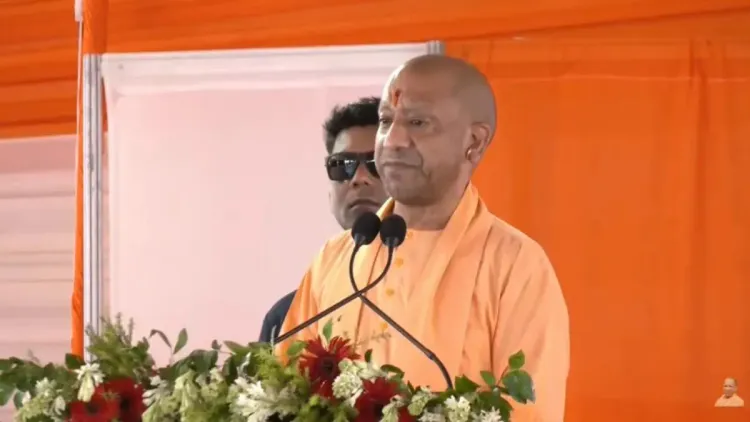
Uttar Pradesh Chief Minister Yogi Adityanath on 30 July 2026 paid tribute to Gahmar in Ghazipur district, honouring its role in the 1857 revolt — invoking rebel figure Magar Singh — and its long tradition of military service to independent India.
Key Takeaways
CM Yogi Adityanath posted a tribute to Gahmar village in Ghazipur district on 30 July 2026 .
He described Gahmar as 'Asia's largest village' and highlighted its contribution from the 1857 revolt to defending independent India's borders.
Magar Singh , a local figure from the 1857 uprising, was specifically named as someone whose reputation once struck fear into British forces.
Ghazipur district features in historical accounts of rebel activity during the 1857 revolt against East India Company rule.
Gahmar is separately known for a high concentration of families with a tradition of service in India's armed forces.
Such tributes by UP's leadership have in the past preceded state announcements on memorials, heritage tourism, or local infrastructure.
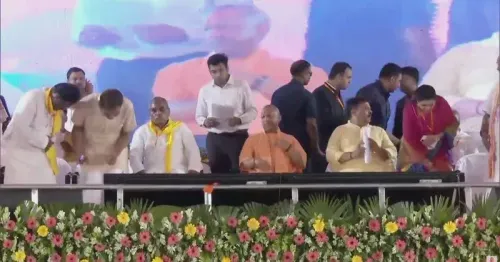
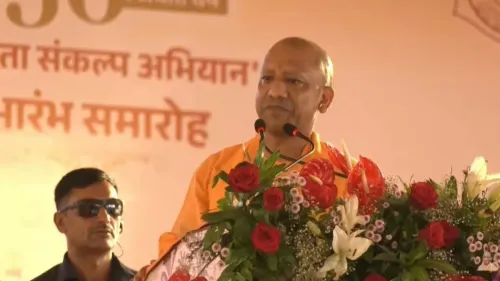
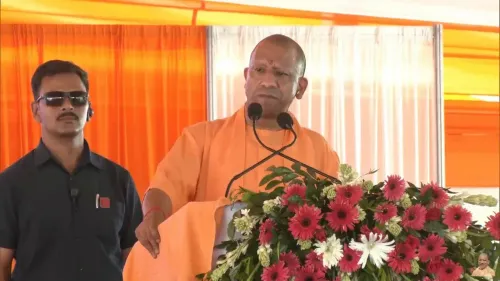
A village in eastern Uttar Pradesh that has sent generations of soldiers to defend India's borders is at the centre of a tribute by Uttar Pradesh Chief Minister Yogi Adityanath on Thursday, 30 July 2026 — a salute to a place where resistance to colonial rule runs deep in the soil.
In his post, CM Yogi wrote: 'Azadi ke andolan se lekar swatantra Bharat ki seemaaon ki raksha karne tak, Asia ke sabse bade gaon, Janpad Ghazipur ke Gahmar ka yogdan mahaan hai' — ('From the freedom movement to defending the borders of independent India, the contribution of Gahmar, in Ghazipur district, said to be Asia's largest village, is immense.')
He specifically invoked the name of Magar Singh, a figure from the 1857 revolt — India's first major armed uprising against East India Company rule — claiming that the mere mention of Singh's name once made the British tremble, and that he belonged to this very land.
Ghazipur's Place in the 1857 Revolt
Ghazipur district, situated in the eastern stretch of Uttar Pradesh along the Ganga, features in historical accounts of rebel activity during the 1857 uprising that swept across northern India. The revolt, which began in Meerut in May of that year, drew fighters and sympathisers from across the region — and districts like Ghazipur were part of that wider arc of resistance.
The village of Gahmar carries a separate, enduring identity as a community with an unusually high concentration of families with military service — a tradition said to span decades of independent India's defence history. CM Yogi's post ties both threads together: the pre-Independence resistance and the post-Independence soldiering.
Regional Heritage as State Identity
Uttar Pradesh's political leadership has periodically spotlighted districts and localities whose contributions to the 1857 revolt or to India's armed forces are woven into local memory. Such recognitions typically accompany broader state efforts to link regional heritage with contemporary identity — and sometimes precede announcements on memorials, tourism circuits, or infrastructure in the districts concerned.
For Ghazipur, a district in the Chief Minister's own eastern UP political geography, the tribute carries weight beyond ceremony. It places a relatively lesser-known locality on a national narrative stage.
Whether a formal state commemoration or development announcement follows for Gahmar will be the next thing to watch — but for now, a Chief Minister has made sure a village's long story of sacrifice is heard well beyond its borders.
Point of View
The post moves beyond generic patriotism into hyperlocal heritage assertion, which tends to have durable political currency in eastern UP constituencies. Ghazipur, a district with complex caste and military-family demographics, is not an incidental choice. Whether this signals an upcoming state investment in Gahmar — a memorial, a heritage circuit, or infrastructure — or remains a standalone tribute, it reflects how social media is now the primary vehicle for UP's chief ministers to perform regional belonging at scale.
NationPress
30 Jul 2026
Frequently Asked Questions
Why is Gahmar village famous in India?
Gahmar in Ghazipur district, Uttar Pradesh, is widely known as one of Asia's largest villages and has a strong tradition of military service, with a large proportion of families having served in India's armed forces across generations.
What was the role of Ghazipur in the 1857 revolt?
Ghazipur district in eastern Uttar Pradesh features in historical accounts of rebel activity during the 1857 uprising — India's first major armed revolt against East India Company rule — which spread across northern India.
Who was Magar Singh of the 1857 revolt?
Magar Singh is cited by CM Yogi Adityanath as a local rebel figure from Gahmar, Ghazipur, whose name was said to strike fear in British forces during the 1857 uprising. His story is part of local oral and historical memory in the region.
What did CM Yogi Adityanath say about Gahmar?
CM Yogi posted on 30 July 2026 that Gahmar's contribution — from the freedom movement to defending independent India's borders — is immense, and specifically honoured 1857 rebel figure Magar Singh as a son of that soil.
Is Gahmar really Asia's largest village?
Gahmar in Ghazipur is popularly described as Asia's largest village, a claim repeated by CM Yogi in his post. This is a widely circulated local characterisation, though it is not corroborated by widely documented official records.