CM Yogi Pays Tribute to Padma Shri Sant Ramesh Baba in Mathura
Synopsis
CM Yogi Adityanath attended a tribute ceremony for Padma Shri Sant Ramesh Baba Ji Maharaj in Mathura on 17 November 2026, offering floral homage and inaugurating a modern dialysis centre at Shri Mataji Goshala — merging religious tribute with public healthcare in one event.
Key Takeaways
CM Yogi Adityanath attended the official tribute ceremony for Padma Shri Sant Ramesh Baba Ji Maharaj in Mathura on 17 November 2026 .
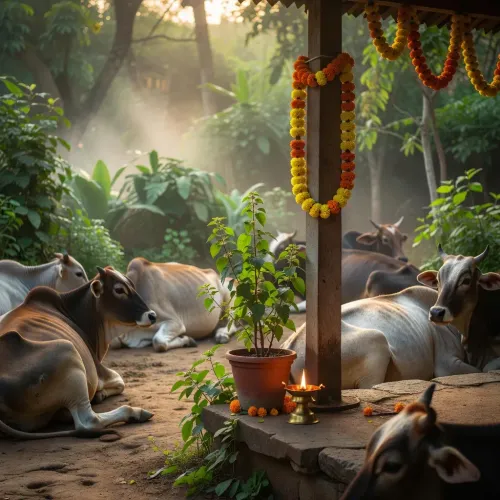
Yogi described the cow as the 'bridge between the tradition of sages and the tradition of farmers' at the event.
Ramesh Baba Ji dedicated his entire life to gosewa , gosanrakshan , goraksha , and gosanvardhan .
A newly built modern dialysis centre at Shri Mataji Goshala in Mathura was inaugurated during the same ceremony.
The event reflects a continuing UP government policy since 2017 of linking goshala development with welfare infrastructure.
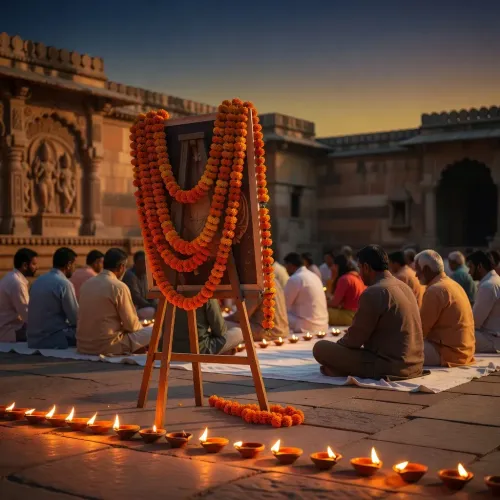
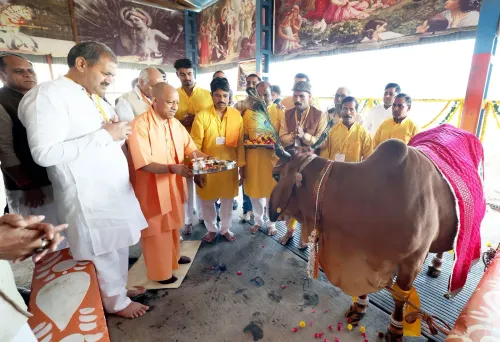
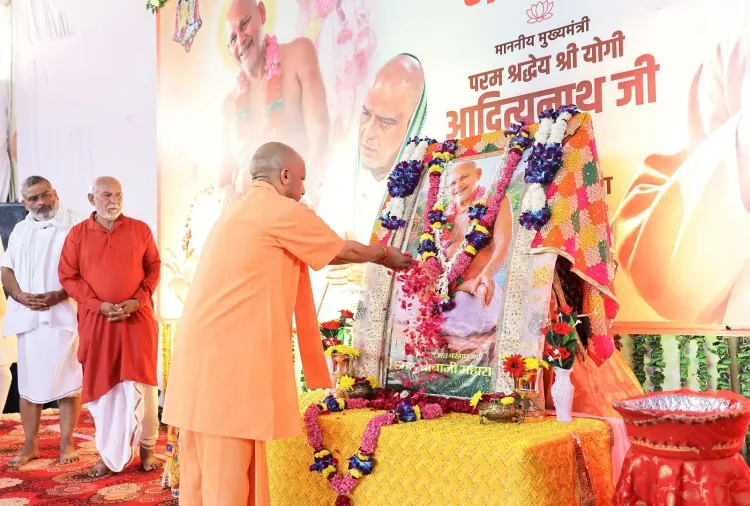
A life devoted entirely to the care and conservation of the cow received its public farewell on Tuesday, 17 November 2026, when Uttar Pradesh Chief Minister Yogi Adityanath travelled to Mathura to honour Padma Shri Sant Ramesh Baba Ji Maharaj — placing flowers on the saint's portrait at a formal tribute ceremony held in his memory.
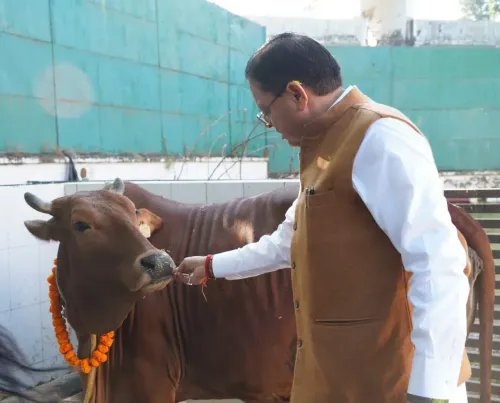
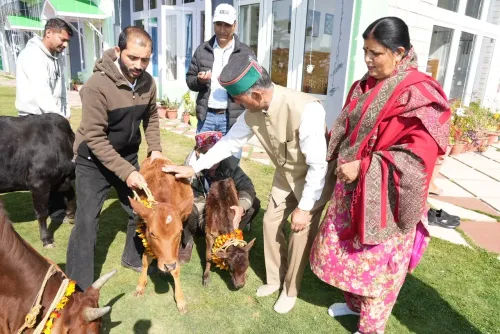
Paying homage in his post, CM Yogi wrote: 'ऋषि परंपरा और कृषि परंपरा के मध्य सेतु का कार्य हमारी गोमाता करती हैं' — 'Our Gomata (the sacred cow) serves as the bridge between the tradition of sages and the tradition of farmers.' He added that Ramesh Baba Ji had consecrated his entire life to the fourfold resolve of gosewa (cow service), gosanrakshan (cow protection), goraksha (cow preservation), and gosanvardhan (cow development).
Who Was Sant Ramesh Baba Ji Maharaj?
Sant Ramesh Baba Ji Maharaj was a Padma Shri-decorated saint based in Mathura, whose identity was inseparable from the cause of cow conservation. Where most religious figures in the Vaishnava heartland of Braj focus on scripture and pilgrimage, Ramesh Baba Ji channelled his spiritual energy into the practical — running goshalas, mobilising communities, and advocating tirelessly for the welfare of indigenous cattle. The government of India's Padma Shri recognition formalised what devotees had long accepted: that his contribution to living tradition was both cultural and civic.
A Dialysis Centre Opens Inside Shri Mataji Goshala
The tribute ceremony was not purely ceremonial. On the same occasion, CM Yogi inaugurated a newly constructed modern dialysis centre located within Shri Mataji Goshala in Mathura. The pairing was deliberate — a healthcare facility rising on ground the late saint had stewarded, ensuring his legacy translates into tangible public welfare. For residents of the surrounding area, kidney dialysis, which typically requires travel to larger hospitals, will now be accessible at a facility tied to a local institution of deep community trust.
Cow Conservation as Cultural Policy in Uttar Pradesh
The event fits a clear pattern that has defined Uttar Pradesh's cultural governance since 2017: linking tribute ceremonies for religious figures with the inauguration of infrastructure at sites rooted in traditional practice. Goshalas have been a consistent focus — the state has channelled policy support into their development, positioning them not merely as animal shelters but as nodes of rural welfare. By inaugurating a dialysis centre at Shri Mataji Goshala, the government signals that this dual track — heritage plus healthcare — will continue as the governing philosophy in UP's religiously significant districts.
CM Yogi signed off his tribute with the words: 'उनकी पावन स्मृतियों को नमन' — 'I bow to his sacred memory.'
A saint's life of quiet, unglamorous service to cattle has now left a dialysis centre in its wake. That is the kind of legacy Mathura will carry forward.
Point of View
The CM reinforces an ideological continuum that ties Hindu heritage to rural development. The choice of Mathura, the symbolic heartland of Krishna devotion, amplifies the signal well beyond the event itself. What bears watching is whether the goshala-as-healthcare-hub model scales to other religiously significant districts across the state.
NationPress
17 Nov 2026
Frequently Asked Questions
Who was Sant Ramesh Baba Ji Maharaj?
Sant Ramesh Baba Ji Maharaj was a Padma Shri-awarded saint from Mathura, Uttar Pradesh, celebrated for dedicating his entire life to cow service, protection, and conservation through goshalas and community mobilisation.
What happened at the tribute event in Mathura on 17 November 2026?
CM Yogi Adityanath offered floral tribute at the portrait of Sant Ramesh Baba Ji Maharaj and also inaugurated a newly constructed modern dialysis centre at Shri Mataji Goshala in Mathura during the same event.
What is Shri Mataji Goshala?
Shri Mataji Goshala is a cow shelter in Mathura, Uttar Pradesh, associated with the late Sant Ramesh Baba Ji Maharaj. A new dialysis centre was inaugurated within its premises on 17 November 2026.
What did CM Yogi say about the cow at the Mathura tribute?
CM Yogi stated that 'Gomata serves as the bridge between the tradition of sages and the tradition of farmers,' framing cow conservation as central to both spiritual and agrarian heritage.
What is Uttar Pradesh's policy on cow protection?
Since 2017, the Uttar Pradesh government has supported cow protection and goshala development as part of its cultural policy, increasingly linking these sites to welfare infrastructure such as the dialysis centre inaugurated in Mathura.