Trump Signs U.S.-Thailand Bilateral Trade Deal

Synopsis
President Trump signed a bilateral trade deal with Thailand on November 17, 2026, deepening U.S.-ASEAN economic ties and extending his administration's deal-by-deal trade doctrine beyond Japan and South Korea into Southeast Asia.
Key Takeaways
President Trump participated in the signing of a U.S.-Thailand bilateral trade deal on November 17, 2026 .
The deal continues the Trump administration's preference for bilateral pacts over multilateral frameworks, a strategy dating to the 2017 withdrawal from the Trans-Pacific Partnership.
Thailand and the United States have a commercial relationship anchored by the 1966 Treaty of Amity and Economic Relations .
Key stakeholders include U.S. exporters and Thai manufacturers , who gain clearer market-access terms under a formal bilateral framework.
Full implementation will depend on the release of the agreement text, tariff schedules, and any required congressional or regulatory approvals.
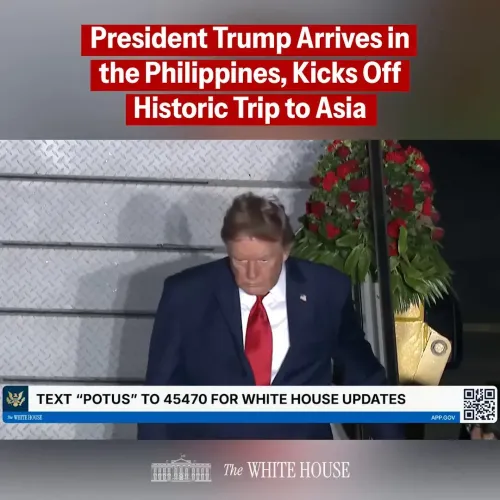
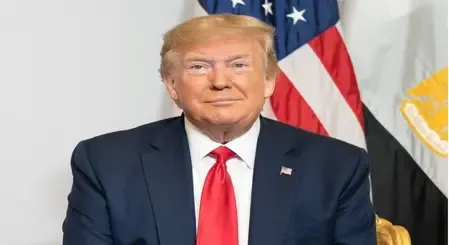
A new chapter in U.S.-Southeast Asia economic relations opened on Tuesday, November 17, 2026, as President Donald Trump participated in the signing of a bilateral trade deal with Thailand — the latest move in his administration's sustained push to rewrite America's commercial relationships one country at a time.
Bilateral-first: Trump's signature trade doctrine in action
Trump has pursued bilateral agreements since his first term, when he pulled the United States out of the Trans-Pacific Partnership in 2017. That withdrawal signalled a clear pivot: rather than binding Washington into broad multilateral frameworks, the administration preferred targeted, deal-by-deal negotiations that it argued delivered faster, more measurable wins for American exporters. The U.S.-Japan Trade Agreement, signed in 2019, became the template — focused on specific sector imbalances rather than sweeping liberalisation.
The U.S.-Thai deal follows the same logic. Thailand is a long-standing American economic partner, with roots in the 1966 Treaty of Amity and Economic Relations, and a critical node in ASEAN manufacturing supply chains. A bilateral pact gives both sides the precision that a region-wide framework rarely allows.
Thailand's place in the ASEAN economic chessboard
Thailand sits at the crossroads of Southeast Asian manufacturing — automotive components, electronics, agricultural exports — making it a commercially strategic partner for U.S. exporters looking for entry points into the wider regional market. The 1966 Treaty has long governed the terms of commercial engagement, but bilateral agreements of this generation tend to go further: they set tariff schedules, address non-tariff barriers, and often include provisions on digital trade and intellectual property.
For Thai manufacturers, preferential access to the world's largest consumer market carries obvious appeal. For U.S. exporters — agriculture, technology, services — a formal bilateral framework removes friction that multilateral ambiguity often leaves in place.
What comes next: text, tariffs, and Capitol Hill
The signing ceremony is the visible milestone, but the harder work lies ahead. The release of the full agreement text and detailed tariff schedules will determine whether the deal's scope matches its billing. Depending on the specific provisions, the pact may require congressional action or regulatory steps before it takes legal effect — a process that has historically added months or years to implementation timelines. Analysts and trade groups on both sides will scrutinise every line of the schedule for winners, losers, and transition periods.
What is clear today is the signal: the Trump administration is continuing to extend its bilateral trade architecture deep into ASEAN — and Thailand is now inside that perimeter.
Point of View
With each deal functioning as both an economic instrument and a geopolitical signal. For India and other ASEAN-adjacent economies, Washington's deepening bilateral web in Southeast Asia raises the stakes for their own pending trade negotiations with the U.S.. The pattern — Japan in 2019, now Thailand in 2026 — suggests the administration is methodically locking in preferential access arrangements across the Indo-Pacific, potentially reshaping supply-chain alignments that Indian exporters have benefited from. Congressional and implementation hurdles remain the wildcard that could delay the deal's real-world impact.
NationPress
17 Nov 2026
Frequently Asked Questions
What is the U.S.-Thailand trade deal signed by Trump in 2026?
It is a bilateral trade agreement between the United States and Thailand signed on November 17, 2026 , with President Trump participating in the ceremony. Specific provisions and tariff schedules are yet to be publicly released.
Why does Trump prefer bilateral trade deals over multilateral ones?
Trump has argued since his first term that bilateral deals allow the U.S. to address specific trade imbalances more precisely. He withdrew from the Trans-Pacific Partnership in 2017 and pursued targeted agreements with countries including Japan and South Korea.
What is the history of U.S.-Thailand trade relations?
The United States and Thailand have maintained a formal economic relationship since the 1966 Treaty of Amity and Economic Relations . Thailand is a key ASEAN manufacturing hub and a long-standing American commercial partner.
Will the U.S.-Thailand trade deal need U.S. Congress approval?
Depending on the deal's specific provisions, it may require congressional action or regulatory steps before full implementation. The release of the agreement text will clarify the legislative path forward.
How does the U.S.-Thailand deal affect India?
While the deal is bilateral between Washington and Bangkok , it signals an expanding U.S. bilateral trade network in Southeast Asia that could shift supply chains and raise the competitive pressure on India as it navigates its own trade negotiations with the United States .