CM Yogi Performs Rudrabhishek at Gorakhnath Mandir on Second Shravan Monday
Synopsis
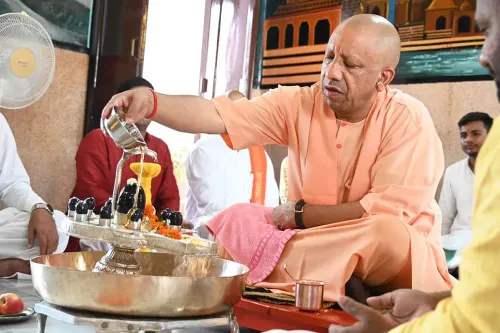
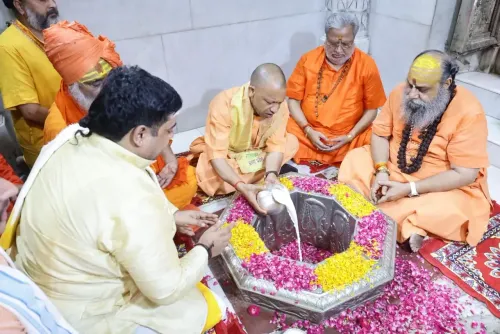
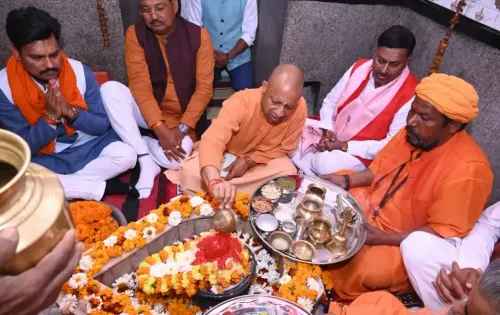
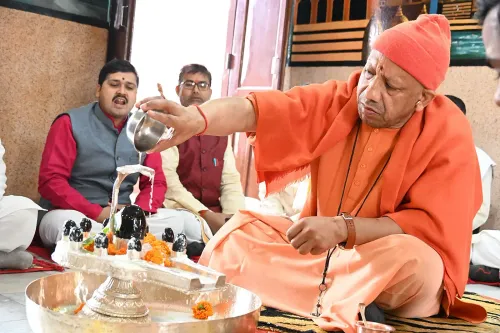
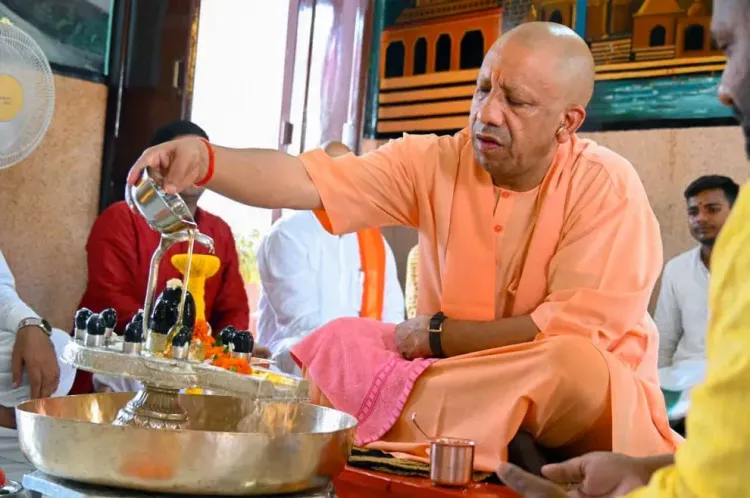
Chief Minister Yogi Adityanath performed a Rudrabhishek at Gorakhnath Mandir in Gorakhpur on the second Monday of Shravan 2026, praying for the welfare and prosperity of Uttar Pradesh's people, the CMO confirmed.
Key Takeaways
CM Yogi Adityanath performed a Rudrabhishek at Gorakhnath Mandir on 10 August 2026 , the second Shravan Monday.
The ritual was conducted with full scriptural adherence ( vidhi-vidhaan poorvak ), according to the Chief Minister's Office.
The prayer was offered for the happiness, prosperity, and welfare of Uttar Pradesh residents.
Gorakhnath Mandir in Gorakhpur is both the seat of the Nath yogi tradition and Yogi Adityanath's base as Mahant.
Yogi Adityanath has observed similar Shravan rituals at the temple consistently since becoming Chief Minister in 2017 .
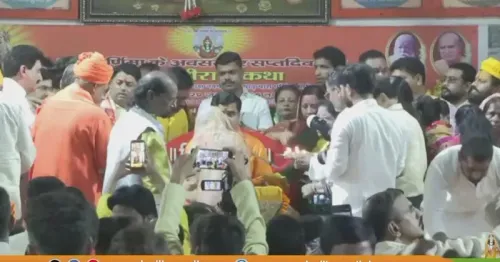
On the second Monday of the sacred month of Shravan, Chief Minister Yogi Adityanath offered prayers at Gorakhnath Mandir in Gorakhpur, performing a full Rudrabhishek — a Vedic ritual of anointing a Shiva lingam — and seeking the well-being, prosperity, and welfare of the people of Uttar Pradesh.
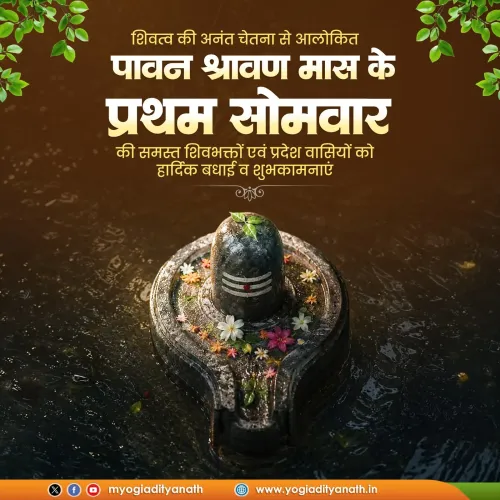
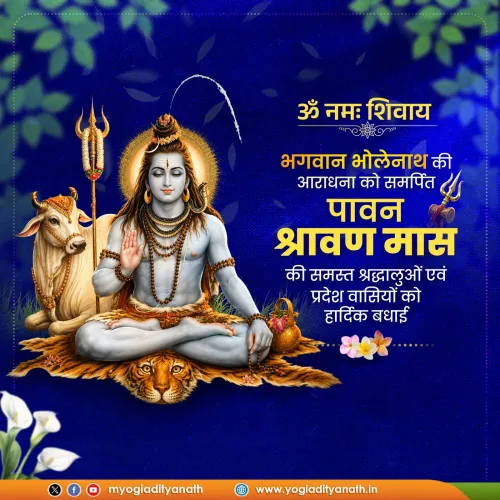
The Chief Minister's Office of Uttar Pradesh confirmed the observance on 10 August 2026, noting that the ritual was conducted vidhi-vidhaan poorvak — 'with complete scriptural adherence.' The post specifically named the occasion as the dwitiya Somvar (second Monday) of Paavan Shravan Maas, the holy month of Shravan.
Gorakhnath Mandir and Yogi Adityanath's Dual Role
Gorakhnath Mandir is no ordinary temple for Yogi Adityanath — it is the seat of the Nath yogi tradition of which he is the reigning Mahant, or chief priest. His identity as both the head of government and head of this centuries-old religious institution makes his Shravan observances a convergence of two distinct forms of public authority.
Since assuming office in 2017, Yogi Adityanath has consistently observed major Hindu festival rituals at the Gorakhpur temple, a practice that reflects both personal devotion and the state's formal participation in religious occasions that hold deep cultural significance for millions of residents.
Why Shravan Mondays Draw Particular Attention
Shravan, typically falling between July and August on the Hindu calendar, is considered the most auspicious month for the worship of Lord Shiva. Each Monday — Shravan Somvar — draws massive congregations at Shiva temples across India, and the Rudrabhishek ritual, involving the recitation of the Rudra hymns from the Yajurveda alongside ritual offerings of milk, honey, and water, is among the most elaborate forms of Shiva worship. For a Chief Minister who is simultaneously a Mahant, presiding over this ritual carries both religious and symbolic political weight.
Point of View
Reinforcing a brand of Hindu cultural leadership that distinguishes Uttar Pradesh's BJP administration from other state governments. For analysts, the ritual is a data point in a broader pattern of state-level Hindu festival participation that signals cultural continuity to a large devotional voter base without requiring explicit policy announcements.
NationPress
10 Aug 2026
Frequently Asked Questions
What is a Rudrabhishek and why is it performed?
Rudrabhishek is a Vedic ritual from the Yajurveda in which a Shiva lingam is anointed with offerings such as milk, honey, and water while Rudra hymns are chanted. It is performed to seek Lord Shiva's blessings for health, prosperity, and the removal of obstacles.
Why did CM Yogi Adityanath perform Rudrabhishek at Gorakhnath Mandir?
CM Yogi Adityanath performed the Rudrabhishek on the second Monday of the sacred month of Shravan, praying for the happiness, prosperity, and welfare of Uttar Pradesh's residents. As Mahant of Gorakhnath Mandir, the temple is also his religious seat.
What is the significance of Shravan Mondays for Shiva worship?
Shravan, a month in the Hindu calendar falling around July-August, is considered the most auspicious period for worshipping Lord Shiva. Each Monday of the month, known as Shravan Somvar, is especially sacred and draws large gatherings at Shiva temples across India.
What is Gorakhnath Mandir and where is it located?
Gorakhnath Mandir is a historic temple in Gorakhpur, Uttar Pradesh, associated with the Nath yogi tradition. It is the religious seat of Yogi Adityanath, who serves as both Chief Minister of Uttar Pradesh and Mahant of the temple.
Does CM Yogi Adityanath regularly perform rituals at Gorakhnath Mandir?
Yes. Since becoming Chief Minister in 2017, Yogi Adityanath has consistently observed major Hindu festival rituals at Gorakhnath Mandir, including Shravan observances, reflecting both his personal devotion and the state's participation in significant religious occasions.