CM Yogi attends Ram Katha conclusion at Gorakhnath Mandir on Guru Purnima
Synopsis
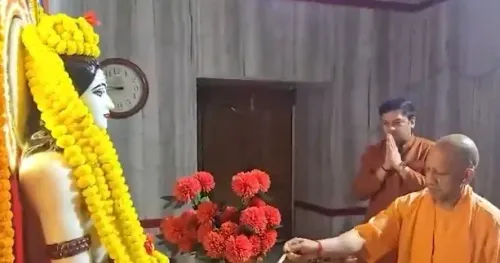
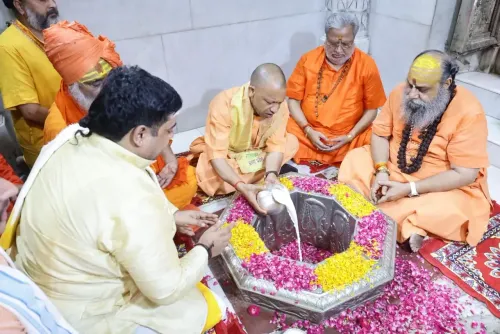
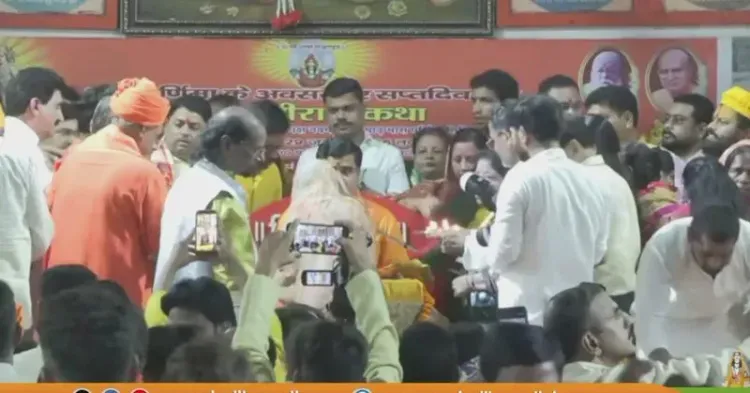
Uttar Pradesh Chief Minister Yogi Adityanath attended the concluding purnahuti of a seven-day Shri Ram Katha at Gorakhnath Mandir in Gorakhpur on Guru Purnima, July 29, 2026, reinforcing the math's role as a regional religious and cultural centre.
Key Takeaways
Yogi Adityanath attended the purnahuti (concluding ceremony) of a seven-day Shri Ram Katha at Gorakhnath Mandir on July 29, 2026 .
The event was held on Guru Purnima , the full-moon day of Ashadha traditionally dedicated to honoring spiritual teachers.
Gorakhnath Mandir in Gorakhpur is the seat of the Nath yogi tradition and the institution where Yogi Adityanath serves as mahant.
Ram Katha — a multi-day Ramayana discourse — is a recurring feature of the math's religious calendar.
Yogi Adityanath's dual role as mahant and Chief Minister makes the math both a devotional site and a prominent public platform.
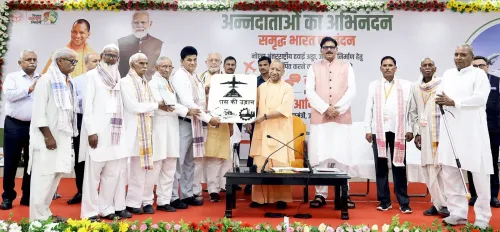
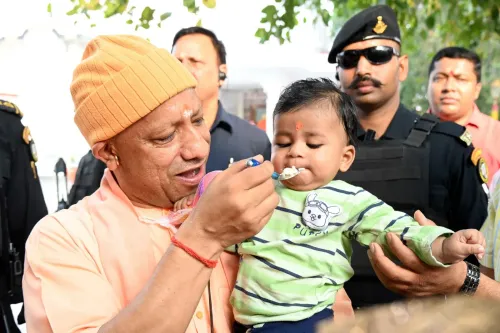
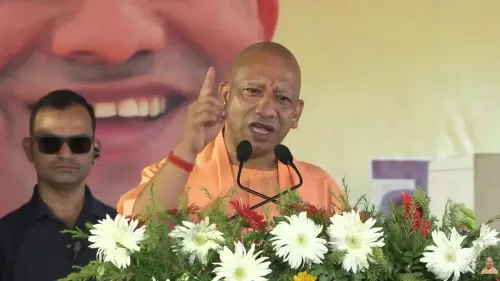
On one of Hinduism's most sacred days for honoring spiritual teachers, Uttar Pradesh Chief Minister Yogi Adityanath on Wednesday, July 29, 2026 attended the concluding ceremony — purnahuti — of a seven-day Shri Ram Katha organized at the Gorakhnath Mandir in Gorakhpur, marking the occasion of Guru Purnima.
The Chief Minister shared the event on X, writing about the 'Sapt Divasiya Bhavya Shri Ram Katha' (seven-day grand Shri Ram Katha) and its purnahuti (concluding ritual) held at @GorakhnathMndr on the auspicious occasion of Guru Purnima.
Where the mahant and the Chief Minister are one
Gorakhnath Mandir is not merely a temple for Yogi Adityanath — it is the seat of the Nath yogi tradition of which he serves as mahant, a position he has held alongside his political office as Chief Minister. The math in Gorakhpur functions as a living cultural and religious centre for the region, regularly hosting large-scale discourses, festivals, and public gatherings that draw devotees from across eastern Uttar Pradesh.
A Ram Katha — a multi-day public recitation and discourse drawn from the Ramayana — is among the most traditional forms of religious programming at such institutions. A seven-day format is a well-established structure for such events, building toward the purnahuti, the ceremonial conclusion that marks the completion of the scripture's recitation cycle.
Guru Purnima as the chosen close
Guru Purnima, observed on the full moon of the Hindu month of Ashadha, is the day the tradition dedicates to honoring gurus and spiritual lineages. Concluding a Ram Katha on this date is a deliberate alignment — the Ramayana itself is suffused with the guru-disciple relationship, and the Nath tradition places the guru at the centre of spiritual practice. For the Gorakhnath Math, the pairing carries particular resonance.
Yogi Adityanath's consistent presence at religious events at the math — woven into his public calendar year after year — underlines the temple's dual role: a site of genuine devotional practice and a visible platform for the Chief Minister's public identity.
As Gorakhpur's most prominent institution prepares for the months ahead, the math's calendar of religious programming will continue to draw both spiritual seekers and political attention in equal measure.
Point of View
This alignment of statecraft and spiritual authority has been a deliberate and electorally legible posture in Uttar Pradesh. The Gorakhnath Math's calendar of events functions, in effect, as a parallel public platform — one rooted in devotional tradition but never entirely separate from the political landscape of the state.
NationPress
13 Sept 2026
Frequently Asked Questions
What is Guru Purnima and why is it significant?
Guru Purnima is a Hindu festival observed on the full moon of the month of Ashadha, dedicated to honoring gurus and spiritual teachers. It holds special importance in traditions like the Nath yogi lineage, where the guru-disciple relationship is central to practice.
What is a Ram Katha and how long does it last?
A Ram Katha is a public recitation and discourse based on the Ramayana, typically conducted over multiple days by a religious scholar or katha-vachak. A seven-day format is one of the most common structures, culminating in a purnahuti or concluding ceremony.
What is Yogi Adityanath's connection to Gorakhnath Mandir?
Yogi Adityanath serves as the mahant — the religious head — of the Gorakhnath Math in Gorakhpur, a historic seat of the Nath yogi tradition. He holds this position alongside his role as Chief Minister of Uttar Pradesh.
Where is Gorakhnath Mandir located?
Gorakhnath Mandir is located in Gorakhpur, in the eastern part of Uttar Pradesh, and is one of the most prominent religious institutions in the region.
What is a purnahuti in a religious ceremony?
A purnahuti is the concluding ritual of a Hindu religious program or yajna, signifying the ceremonial completion of the event. In the context of a Ram Katha, it marks the end of the scripture's recitation cycle.