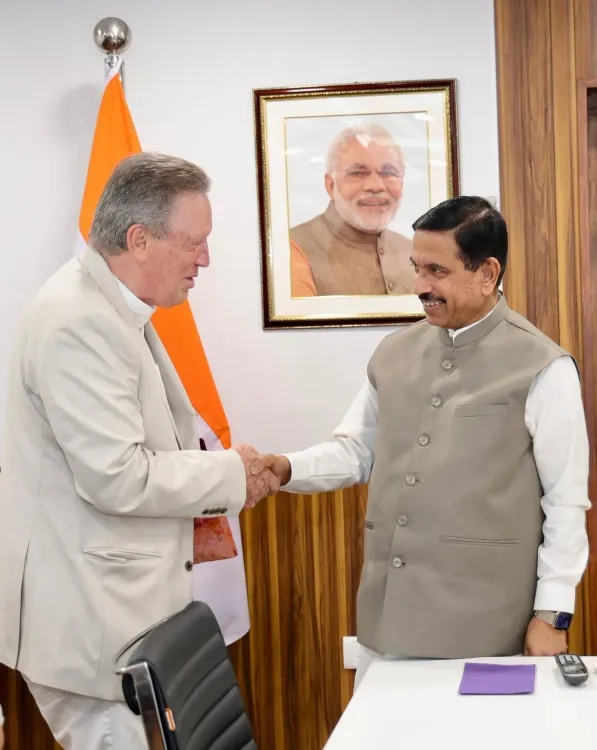
Pralhad Joshi Meets French Author François Gautier
Synopsis
Union Minister Pralhad Joshi met French journalist and author François Gautier on 10 August 2026, received his book, and discussed India's history, cultural heritage and the importance of preserving its civilisational legacy — a meeting that reflects a broader pattern of government engagement with civilisational narratives.
Key Takeaways
Union Consumer Affairs Minister Pralhad Joshi met French journalist and author François Gautier on 10 August 2026 in New Delhi.
Gautier presented Joshi with a copy of his book during the meeting.
The two discussed India's history, cultural heritage, and the significance of preserving its civilisational legacy.
François Gautier is a French author known for works on Indian history and Hinduism that challenge colonial-era historiography.
The meeting reflects a pattern, more visible since 2014 , of Indian ministers engaging with authors who emphasise civilisational narratives of Indian history.
No specific policy or parliamentary follow-up has been indicated from this exchange.
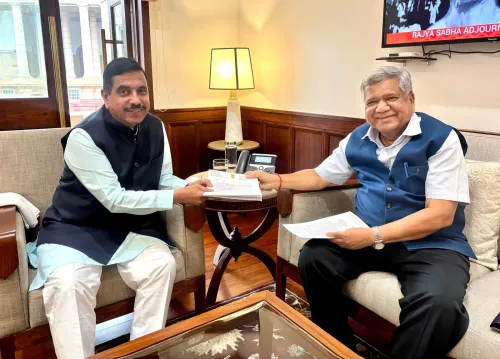
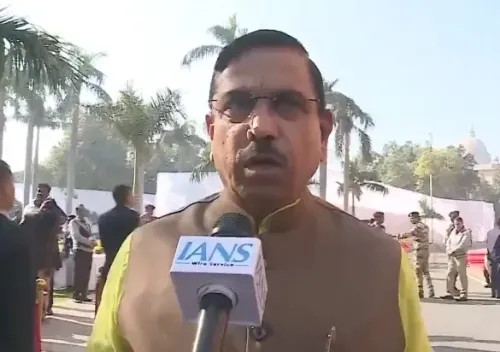
A quiet meeting between a senior Union minister and a French writer who has spent decades documenting India's civilisational story carried an unmistakable signal on Monday, 10 August 2026. Union Consumer Affairs Minister Pralhad Joshi met journalist and author François Gautier in New Delhi, receiving a copy of Gautier's latest book and engaging in a conversation on India's history, cultural heritage, and the importance of preserving its civilisational legacy.
Joshi described the meeting as a pleasure, noting that the two 'exchanged views on India's history, cultural heritage and the significance of preserving and understanding our civilisational legacy' — a phrase that neatly captures the lens through which Gautier has built his decades-long body of work.
Who Is François Gautier?
François Gautier is a French journalist and author who has lived and reported from India for several decades. He is known for books that engage with Indian history and Hinduism, often challenging what he views as colonial-era distortions in mainstream historiography. His work has found a receptive audience among those who advocate for a reassessment of India's pre-colonial past, making him a recognisable figure in debates around heritage and historical narrative.
Ministers, Authors, and the Civilisational Conversation
This meeting fits a visible pattern that has grown since 2014: Indian ministers and public figures increasingly engaging with authors and intellectuals who champion civilisational readings of Indian history. These interactions rarely produce immediate policy outcomes, but they signal the cultural priorities of the government of the day and amplify ongoing public debates about historiography, heritage preservation, and national identity. No specific policy or parliamentary follow-up has been indicated from this particular exchange.
For Gautier, a meeting at the ministerial level offers visibility for ideas he has long championed from outside India's political mainstream. For Joshi, the encounter is another data point in a broader cultural conversation that his party has made central to its public identity.
Point of View
Such ministerial engagements with civilisational-narrative authors have served as cultural endorsements rather than policy moves — they shift the Overton window on historiography debates without requiring legislative action. Gautier's French origin and decades-long India residency give him a particular credibility in this ecosystem, as a 'Western voice' validating indigenous-history arguments. Taken together, these interactions form a soft-power cultural project running parallel to harder policy levers.
NationPress
25 Sept 2026
Frequently Asked Questions
Who is François Gautier?
François Gautier is a French journalist and author who has lived in India for several decades. He is known for books on Indian history and Hinduism, often arguing that colonial-era historiography has distorted the understanding of India's civilisational past.
Why did Pralhad Joshi meet François Gautier?
Pralhad Joshi met François Gautier to receive a copy of his book and exchange views on India's history, cultural heritage, and the significance of preserving its civilisational legacy, according to Joshi's own post on X.
What did Pralhad Joshi and François Gautier discuss?
The two discussed India's history, cultural heritage, and the importance of understanding and preserving India's civilisational legacy. No specific policy outcomes were indicated from the meeting.
Is this meeting significant for Indian heritage policy?
The meeting carries no immediate policy implication. It is part of a broader pattern since 2014 in which Indian ministers engage with authors who champion civilisational narratives, signalling cultural priorities without necessarily producing legislative follow-up.
What portfolios does Pralhad Joshi hold?
Pralhad Joshi is the Union Minister of Consumer Affairs, Food and Public Distribution, and also holds the portfolio of New and Renewable Energy. He is a senior BJP leader from Karnataka .