Joshi Highlights 668 Artefacts Returned to India Since 2014
Synopsis
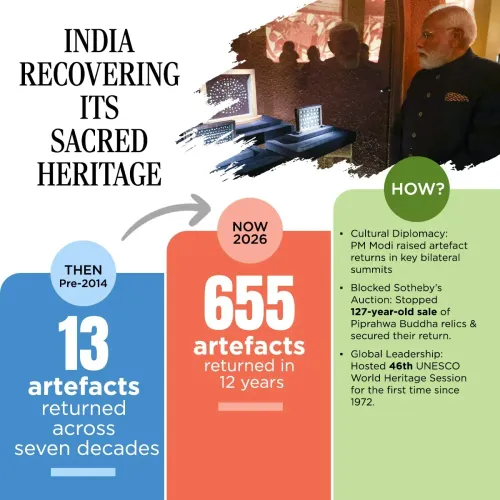
Union Minister Pralhad Joshi has highlighted that India recovered 668 stolen artefacts after 2014, compared to just 13 in the four decades prior, framing the surge as a restoration of civilisational heritage under the current government.
Key Takeaways
Union Minister Pralhad Joshi posted on X on 18 June 2026 citing a sharp rise in artefact repatriations.
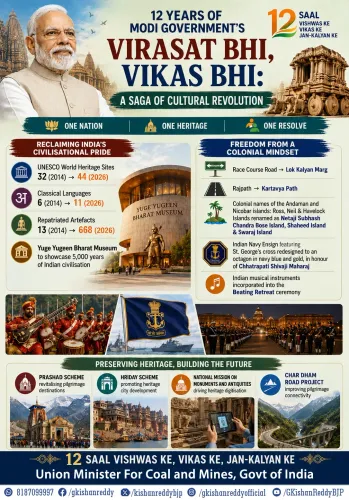
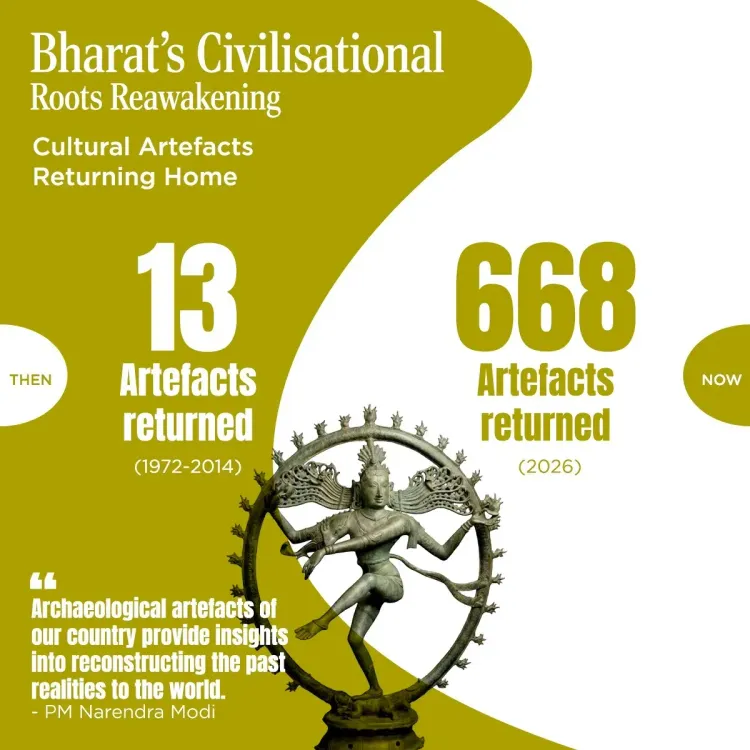
India recovered only 13 stolen artefacts between 1972 and 2014 , according to the post.
Since 2014 , the number of recovered artefacts has reportedly risen to 668 .
India ratified the 1970 UNESCO Convention in 1973, providing the legal basis for repatriation claims.
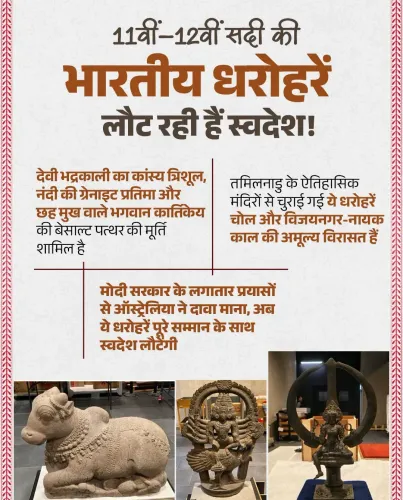
Returns have come from the United States , United Kingdom , Australia , and other countries via diplomatic and legal channels.
The post was part of the BJP's #12YearsOfVikasBhiVirasatBhi campaign marking a political milestone.
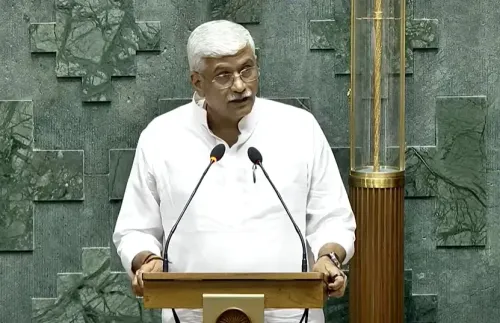
Union Consumer Affairs Minister Pralhad Joshi on Thursday, 18 June 2026, highlighted a sharp rise in the repatriation of stolen Indian antiquities under the current government, citing figures that contrast sharply with the pre-2014 record. Posting on X in Kannada under the hashtag #12YearsOfVikasBhiVirasatBhi, Joshi framed the returns as a restoration of India's civilisational identity.
Context
In his post, Joshi stated that from 1972 to 2014, India managed to recover only 13 stolen artefacts. Since 2014, he said, that number has risen to 668. 'Our glorious civilisation's ancient sculptures and sacred relics, scattered across the world, are today being honourably returned to the motherland,' he wrote. The post was accompanied by an image and timed to mark what the BJP is calling twelve years of development and heritage restoration.
The claim draws a direct line between the current government's diplomatic posture and the accelerating pace of repatriation. The hashtag signals a coordinated party communication effort marking a political milestone.
Policy Backdrop
India enacted the Antiquities and Art Treasures Act in 1972, establishing a legal framework to regulate ownership, sale, and export of antiquities. A year later, in 1973, India ratified the 1970 UNESCO Convention on the Means of Prohibiting and Preventing the Illicit Import, Export and Transfer of Ownership of Cultural Property, giving it the treaty basis to file formal repatriation requests with other signatory states.
Despite these instruments, recoveries remained sparse for four decades. Since 2014, the government has pursued returns through a combination of bilateral diplomatic agreements, Interpol red notices, and legal proceedings in foreign jurisdictions. Artefacts have been returned from the United States, the United Kingdom, Australia, and several other countries. The Archaeological Survey of India (ASI) has been central to identifying, authenticating, and receiving repatriated objects.
Stakeholders and Impact
Heritage professionals, museum curators, and temple trusts across India are direct stakeholders in the repatriation process. Each returned object — whether a bronze idol, stone sculpture, or manuscript — carries provenance questions that involve foreign institutions, auction houses, and private collectors.
India is not alone in this push. Greece, Egypt, and Nigeria have similarly intensified demands against major Western museums in recent years, reflecting a global shift in how post-colonial cultural ownership is understood. For India, the framing goes beyond legal recovery: the government has consistently presented repatriation as an act of civilisational dignity, resonant with a domestic audience that regards temple idols and royal artefacts as living heritage rather than museum objects.
What's Next
Repatriation ceremonies are expected to continue through 2026, with the ASI and the Ministry of Culture likely to announce fresh memoranda of understanding with foreign institutions. The BJP's use of the #12YearsOfVikasBhiVirasatBhi hashtag suggests the party intends to make cultural repatriation a visible plank in its political messaging ahead of future electoral cycles.
Observers will watch whether the government publishes a verified, itemised list of the 668 returned artefacts — a step that would add transparency and lend further credibility to the figures cited by ministers including Joshi.
Point of View
Even if an independent itemised audit has not yet been published. Globally, the repatriation debate is intensifying, and India's assertive posture aligns it with a growing coalition of source nations demanding the return of colonial-era and smuggled objects. For Joshi, a senior Karnataka leader, amplifying this message in Kannada also signals a targeted outreach to a state audience with deep pride in its Hoysala and Vijayanagara heritage.
NationPress
17 Sept 2026
Frequently Asked Questions
How many artefacts has India recovered since 2014?
Union Minister Pralhad Joshi has stated that India recovered 668 stolen artefacts between 2014 and 2026, compared to just 13 in the four decades from 1972 to 2014.
What law governs the protection and return of Indian antiquities?
The Antiquities and Art Treasures Act, 1972 is the primary domestic law. India also ratified the 1970 UNESCO Convention in 1973, which provides the international legal framework for repatriation claims.
Which countries have returned artefacts to India?
Artefacts have been returned to India from the United States , the United Kingdom , Australia , and several other countries, typically through diplomatic negotiations, Interpol notices, or foreign court proceedings.
What is the #12YearsOfVikasBhiVirasatBhi hashtag about?
The hashtag is part of a BJP campaign marking twelve years of the party-led government, highlighting both development achievements and cultural heritage milestones such as artefact repatriation.
What role does the Archaeological Survey of India play in repatriation?
The Archaeological Survey of India (ASI) is responsible for identifying stolen artefacts, building provenance cases, and formally receiving and cataloguing objects returned from abroad.