CM Rekha Gupta Shares Modi's 650-Idol Repatriation Claim
Synopsis
Delhi Chief Minister Rekha Gupta shared PM Narendra Modi's statement at the Chinmaya Amrit Mahotsav, citing the return of over 650 stolen ancient idols from foreign countries in 12 years — framing it as a landmark civilisational and diplomatic achievement.
Key Takeaways
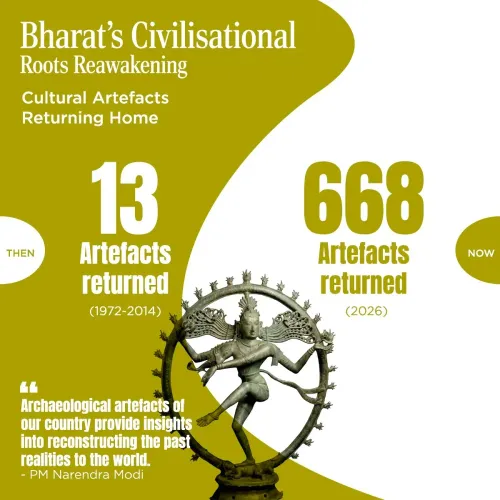
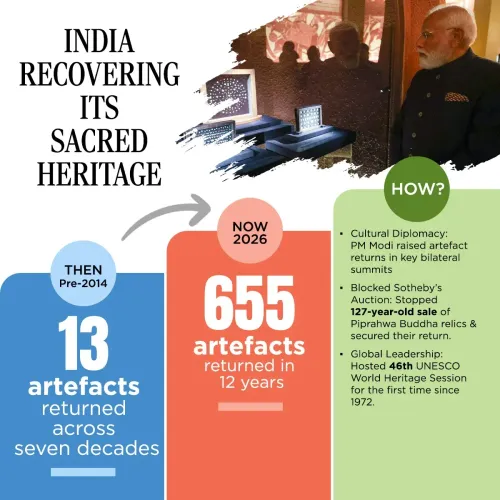
PM Modi claimed India has repatriated more than 650 stolen ancient idols from foreign countries over 12 years .
Delhi CM Rekha Gupta amplified the statement on X on 23 October 2026 , tagging it to the #ChinmayaAmritMahotsav event.
India's repatriation drive since 2014 relies on bilateral diplomatic agreements, foreign court proceedings, and museum negotiations.
The effort is part of a broader global trend of source nations seeking restitution of culturally significant objects held in Western collections.
The Chinmaya Amrit Mahotsav context frames the recoveries as symbols of civilisational continuity, not merely diplomatic victories.
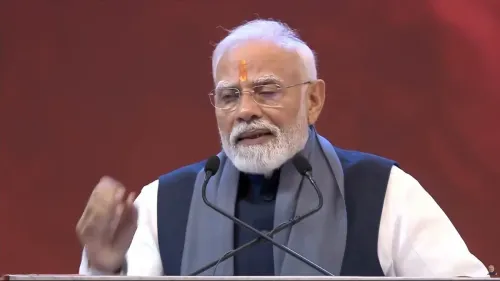
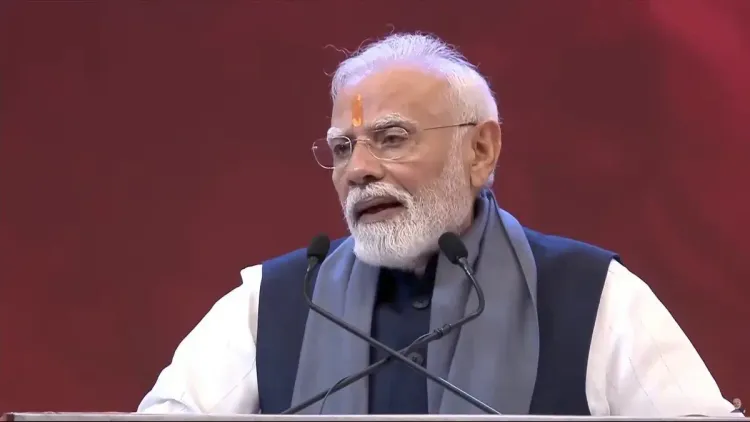
More than 650 ancient idols stolen from Indian soil and smuggled abroad have been brought back home over the last 12 years — that is the figure Prime Minister Narendra Modi cited at the Chinmaya Amrit Mahotsav, a statement amplified on Friday, 23 October 2026 by Delhi Chief Minister Rekha Gupta on X. The number, if it holds, marks one of the most sustained government-led heritage repatriation drives in India's post-independence history.
Quoting the Prime Minister directly, CM Gupta posted: 'बीते 12 वर्षों में हम 650 से ज्यादा चोरी की गई प्राचीन मूर्तियां विदेशों से वापस लेकर आए हैं।' — 'In the last 12 years, we have brought back more than 650 stolen ancient idols from foreign countries.' The post carried the hashtag #ChinmayaAmritMahotsav, linking the recovery milestone to a broader cultural and spiritual gathering.
Twelve years, diplomatic channels, and a trail of returning deities
Since 2014, the Government of India has built a dedicated infrastructure for retrieving smuggled antiquities — working through bilateral diplomatic agreements, legal proceedings in foreign courts, and direct engagement with overseas museums and auction houses. The approach marks a deliberate shift from passive appeals to active, case-by-case legal and diplomatic pursuit.
India's push sits squarely within a wider global reckoning. Source nations across Africa, Asia, and Latin America have been pressing Western museums and private collectors for restitution of objects removed during colonial periods or through later criminal smuggling networks. India's recoveries — ranging from temple bronzes looted from Tamil Nadu to sandstone sculptures traced to Rajasthan and Uttar Pradesh — have drawn international attention as a model for how persistent diplomatic effort can yield tangible results.
What the Chinmaya Amrit Mahotsav moment signals
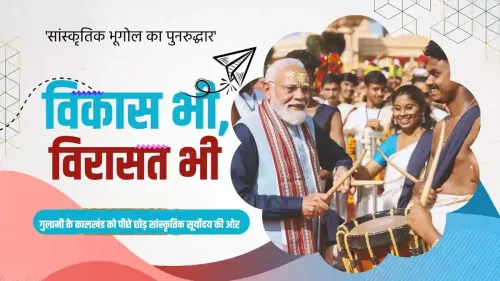
The choice of venue matters. The Chinmaya Amrit Mahotsav is a cultural and commemorative event, and invoking the repatriation figure there frames the recovered idols not merely as diplomatic wins but as living symbols of civilisational continuity — objects restored to their cultural context, not just to a government repository. It is a framing PM Modi has used before, positioning each returning sculpture as a piece of India's identity reclaimed.
For CM Rekha Gupta, amplifying the statement places Delhi's BJP government visibly in alignment with the Centre's heritage-recovery narrative — a theme that resonates strongly with heritage conservationists, temple communities, and a public increasingly aware of how much of India's artistic patrimony sits in foreign collections.
Each returning idol is both a legal victory and a cultural statement. The question now is how many more are still waiting to come home.
Point of View
Heritage repatriation has become a potent soft-power story that also carries domestic electoral resonance, particularly among communities with deep ties to temple culture and ancient art. CM Gupta's amplification of the statement signals how the party's Delhi leadership aligns itself with the Centre's cultural agenda. Internationally, India's sustained repatriation record is increasingly cited as a template by other source nations, giving New Delhi quiet leverage in heritage diplomacy well beyond the subcontinent.
NationPress
23 Oct 2026
Frequently Asked Questions
How many ancient idols has India recovered from abroad?
PM Narendra Modi stated that India has repatriated more than 650 stolen ancient idols from foreign countries over the last 12 years, as cited at the Chinmaya Amrit Mahotsav.
What is the Chinmaya Amrit Mahotsav?
The Chinmaya Amrit Mahotsav is a cultural and commemorative event at which PM Modi made the repatriation statement that Delhi CM Rekha Gupta shared on X.
How does India recover stolen antiquities from other countries?
India recovers smuggled antiquities through bilateral diplomatic agreements, legal proceedings in foreign jurisdictions, and direct engagement with overseas museums and auction houses.
Why is India's antiquities repatriation significant globally?
India's sustained recovery drive is seen as a model for source nations worldwide seeking restitution of culturally significant objects removed during colonial periods or through criminal smuggling networks.
What is Delhi CM Rekha Gupta's role in this story?
Rekha Gupta, Delhi Chief Minister and BJP leader, shared PM Modi's repatriation claim on X on 23 October 2026, aligning Delhi's BJP government with the Centre's heritage-recovery narrative.