CM Yogi Pitches UP-Japan Partnership, Eyes 'Japan City' Near Noida Airport
Synopsis
Chief Minister Yogi Adityanath frames Uttar Pradesh and Japan as complementary economic partners — Japan's precision and Kaizen against UP's scale and policy stability — and announces a dedicated Japan City near the Noida International Airport to anchor the collaboration.
Key Takeaways
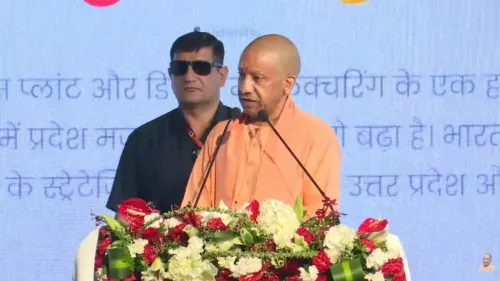
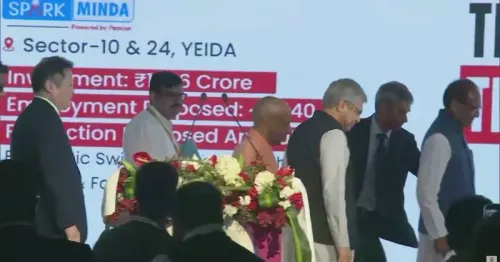
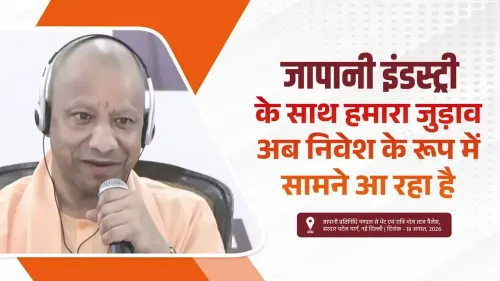
The Chief Minister's Office of Uttar Pradesh on 19 August 2026 outlined a UP-Japan economic partnership pitch from CM Yogi Adityanath .
CM Yogi positions Japan's Precision, Quality, Technology, Kaizen philosophy and R&D as complementing UP's Scale, Skill, Market, Infrastructure and Policy stability .
Target sectors include Manufacturing, MSMEs, Skilling, R&D and Logistics .
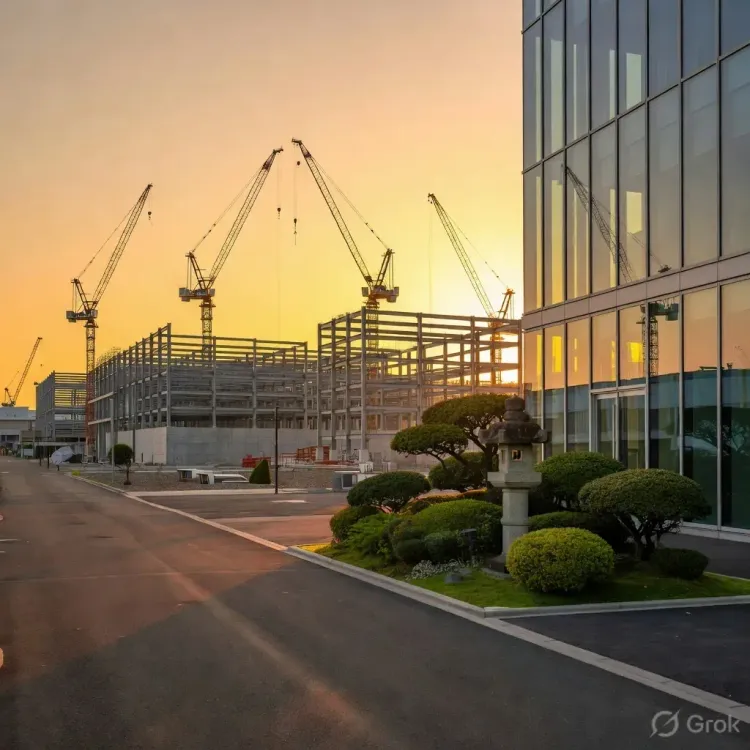
A dedicated Japan City is being developed near the Noida International Airport to serve as a hub for Japan-UP industrial collaboration.
The proposal builds on India's Make in India framework and mirrors Japanese investor township models seen in other Indian states.
Exact timelines and funding for Japan City remain unconfirmed from public records.
Precision meets scale. That is the proposition Chief Minister Yogi Adityanath is placing before Japanese investors — and on Wednesday, 19 August 2026, the Chief Minister's Office of Uttar Pradesh made it official in a pointed statement that frames the state not as a passive recipient of foreign capital, but as an equal partner bringing something Japan cannot replicate at home.
What UP Is Offering Japan — and What It Wants Back
The Chief Minister's statement draws a deliberate contrast. Japan, he argues, brings Precision, Quality, Technology, Research Capability, Manufacturing Excellence and the Kaizen philosophy of continuous improvement. Uttar Pradesh counters with Scale, Skill, Market, Infrastructure, Policy stability, Law and Order, and Ambition. The argument is structural: neither side alone has the full stack, but together they do.
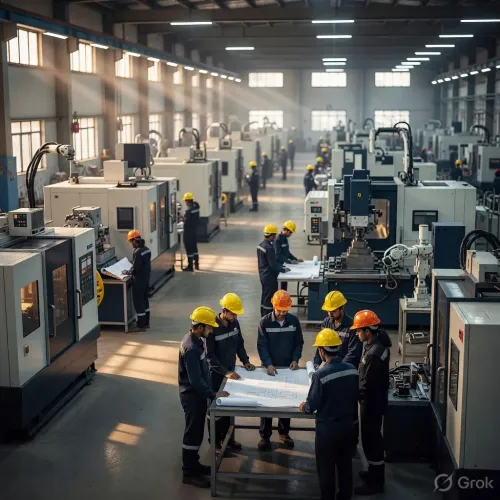
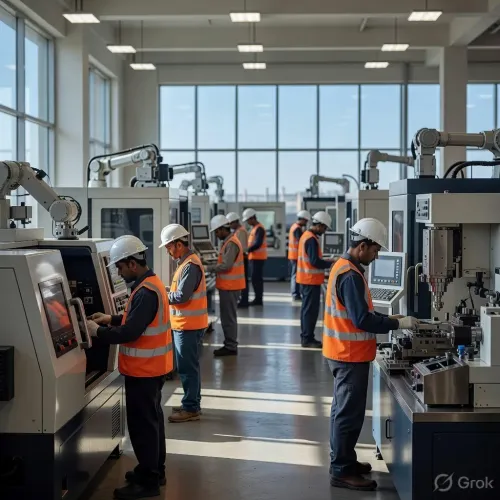
The sectors named as target zones are specific — Manufacturing, MSMEs, Skilling, R&D and Logistics. That breadth matters. It signals UP is not chasing a single flagship factory; it is pitching an ecosystem play, where Japanese process discipline lifts an entire industrial base rather than anchoring one headline plant.
Japan City: A Dedicated Hub Near Noida International Airport
The most concrete detail in the statement is the announcement that Japan City is being developed in the vicinity of the Noida International Airport — the greenfield aviation project that has been central to Uttar Pradesh's infrastructure expansion since the early 2020s. The logic of the location is straightforward: an airport-adjacent industrial township collapses the logistics chain, connecting Japanese-origin components and finished goods directly to global supply routes.
Exact timelines and funding structures for Japan City have not been confirmed from public records, but the concept fits a pattern visible elsewhere in India — dedicated foreign-investor townships that bundle land, utilities, regulatory clearances and skilled labour under one administrative umbrella. Tamil Nadu and Gujarat have used similar models to attract Japanese automotive and electronics clusters.
Where This Sits in India's Broader Japan Strategy
India and Japan have deepened manufacturing ties steadily since the Make in India initiative launched in 2014, with Japanese firms seeking to diversify production away from concentration in a single geography. Uttar Pradesh — long associated more with agricultural output than industrial muscle — has spent the last several years repositioning itself through large-scale investment summits and infrastructure commitments. Improved law and order, a recurring talking point of the Adityanath administration, features prominently in pitches to risk-averse foreign manufacturers who price political stability into site-selection decisions.
The Kaizen reference is more than rhetorical colour. It signals cultural fluency — an awareness that Japanese firms do not simply export capital; they export a management philosophy, and states that understand that tend to get longer-term commitments rather than short-cycle assembly contracts.
The real test arrives when timelines, investment figures and ground-breaking dates are attached to Japan City. Until then, Uttar Pradesh has put its clearest argument yet on the table — now Japan's investors have to decide whether to sit down.
Point of View
The pitch targets Japanese firms already looking to diversify production bases in South Asia, giving UP a differentiated identity in a crowded field of competing Indian states. If ground-level infrastructure at Noida International Airport delivers on schedule, the township model could attract mid-tier Japanese component manufacturers who need ecosystem density, not just cheap land. The broader arc here is UP's deliberate repositioning from a state defined by agrarian politics to one competing on industrial and logistics credentials at a global level.
NationPress
19 Aug 2026
Frequently Asked Questions
What is Japan City in Uttar Pradesh?
Japan City is a proposed dedicated township being developed near the Noida International Airport in Uttar Pradesh, designed to serve as a hub for Japanese manufacturing and technology collaboration with the state. Exact timelines and funding details have not been officially confirmed.
Where is Noida International Airport located?
Noida International Airport is a greenfield airport project located in Jewar, Gautam Buddha Nagar district , Uttar Pradesh, intended to boost aviation connectivity and support adjacent industrial zones.
What did CM Yogi say about the UP-Japan partnership?
CM Yogi Adityanath said Japan brings Precision, Quality, Technology, Research Capability, Manufacturing Excellence and Kaizen philosophy , while UP offers Scale, Skill, Market, Infrastructure, Policy stability and Law and Order — and that combining the two can lift UP's manufacturing, MSME, skilling, R&D and logistics sectors.
What is Kaizen and why did CM Yogi mention it?
Kaizen is a Japanese management philosophy centred on continuous, incremental improvement in processes and quality. CM Yogi's reference signals awareness that Japanese investors bring a management culture alongside capital, and that UP is positioning itself as a partner that understands and welcomes that approach.
How does the UP-Japan pitch connect to Make in India?
India's Make in India initiative, launched in 2014 , has sought manufacturing partnerships with Japan among other countries. The UP-Japan collaboration builds on that national framework, with the state adding its own policy and scale advantages to attract Japanese firms looking to diversify production bases in India.