CM Yogi calls on UP residents to plant a tree in mother's name
Synopsis
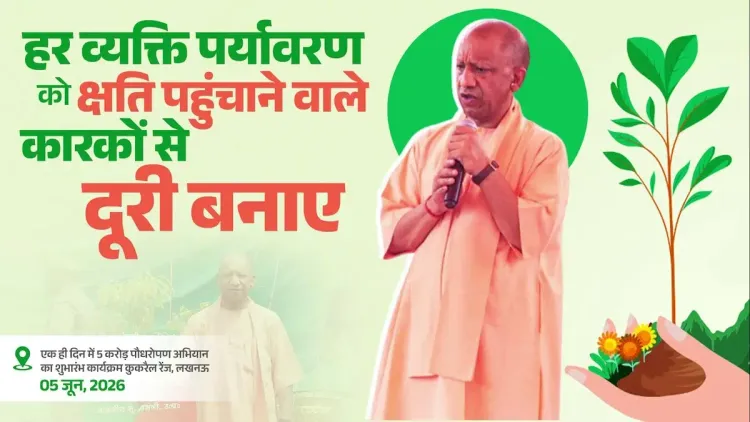
On World Environment Day, Chief Minister Yogi Adityanath called on every Uttar Pradesh resident to plant a tree in their mother's name under the 'Ek Ped Maa Ke Naam' campaign, blending environmental duty with maternal sentiment ahead of the 2026 monsoon plantation season.
Key Takeaways
The Chief Minister's Office of Uttar Pradesh posted CM Yogi's appeal on 5 June 2026 , World Environment Day.
CM Yogi urged every citizen to plant a tree under the 'Ek Ped Maa Ke Naam' (One Tree in Mother's Name) initiative as a duty towards their mother.
The campaign was first launched nationally by the Government of India in 2024 , linking afforestation with maternal sentiment.
Uttar Pradesh has run annual Van Mahotsav and district-level plantation drives since 2017 under the Yogi government.
District forest departments across 75 districts are expected to coordinate nursery supply and survival-rate monitoring during the 2026 monsoon season .
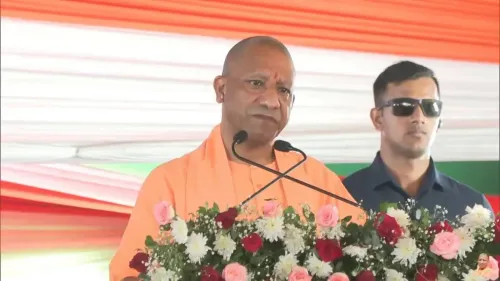
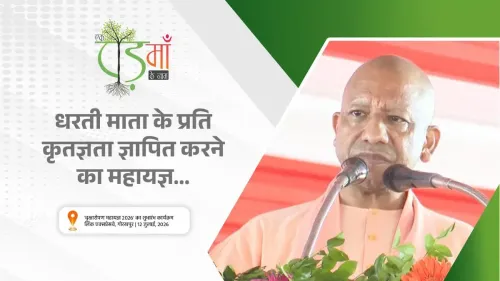
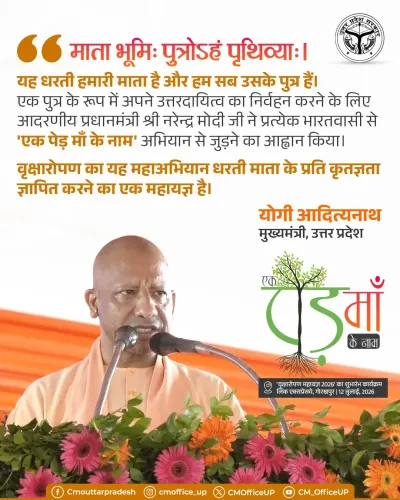
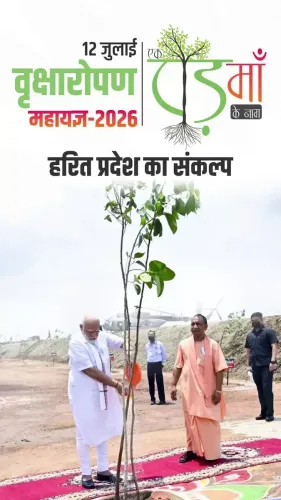
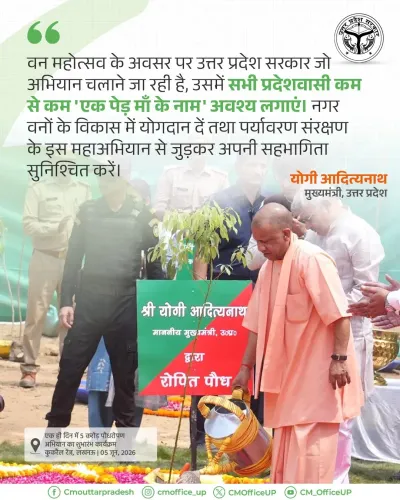
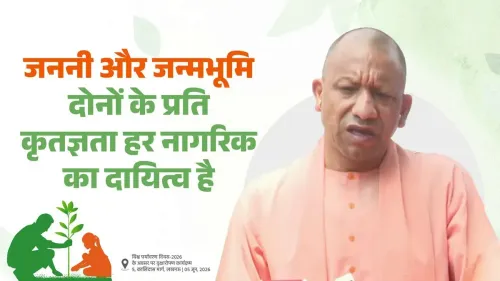
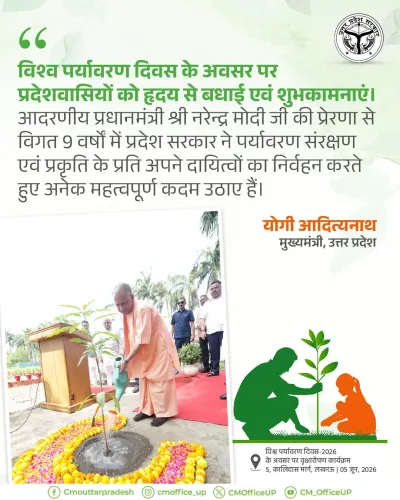
The Chief Minister's Office of Uttar Pradesh on Friday, 5 June 2026 — World Environment Day — shared a call to action from Chief Minister Yogi Adityanath, urging every citizen to fulfil their duty towards their mother by planting a tree under the 'Ek Ped Maa Ke Naam' (One Tree in Mother's Name) initiative.
Context
CM Yogi's message, posted in Hindi, reads: 'Har vyakti maa ke prati apne dayitva ka nirvahan karte hue Ek Ped Maa Ke Naam avashya lagae' — 'Every person must plant a tree in their mother's name, fulfilling their duty towards her.' The appeal was shared on the official CMO handle, tagging the Chief Minister directly and carrying the campaign hashtag #एक_पेड़_माँ_के_नाम.
The timing on World Environment Day amplifies the symbolic weight of the message, linking environmental responsibility with a deeply personal cultural sentiment around maternal reverence.
Policy Backdrop
The 'Ek Ped Maa Ke Naam' campaign was first promoted nationally by the Government of India in 2024 as a mass participation plantation drive that fused environmental goals with familial emotion. The initiative encouraged citizens across the country to plant and nurture at least one sapling dedicated to their mother, making each participant a stakeholder in long-term green cover expansion.
Uttar Pradesh, India's most populous state, has run annual Van Mahotsav and district-level afforestation programmes since 2017, with successive targets to increase forest and tree cover as part of broader climate commitments. The Yogi Adityanath government has consistently used culturally resonant messaging to drive public participation in such drives.
Stakeholders and Impact
The primary audience is UP's roughly 24 crore residents, whose voluntary participation determines the on-ground scale of the campaign. District forest departments are tasked with coordinating nursery supply, distribution points, and eventual survival-rate monitoring across the state's 75 districts.
Blending environmental policy with cultural values — particularly maternal sentiment — has proven effective across Indian states in nudging ordinary citizens beyond passive awareness toward actual planting activity. Each sapling planted and nurtured contributes to India's nationally determined contribution targets on forest and tree cover under its climate commitments.
What's Next
With the 2026 monsoon season approaching — the optimal window for plantation drives — district-wise targets and implementation logistics are expected to be rolled out by forest and environment departments across Uttar Pradesh. Survival-rate audits and community-level reporting will be key indicators of the campaign's actual environmental impact beyond symbolic participation.
The broader pattern of state governments aligning green drives with cultural occasions suggests this campaign will likely intensify through July and August 2026, when monsoon rains improve sapling survival odds and community gatherings provide natural mobilisation opportunities.
Point of View
The Yogi administration lowers the psychological barrier to action for millions of ordinary citizens. The message also keeps Uttar Pradesh visibly aligned with the Centre's 2024 'Ek Ped Maa Ke Naam' flagship, reinforcing federal-state coordination on climate commitments. Whether the campaign translates into verifiable green cover gains will depend on the survival-rate data that district forest departments produce post-monsoon.
NationPress
23 Oct 2026
Frequently Asked Questions
What is the 'Ek Ped Maa Ke Naam' campaign?
'Ek Ped Maa Ke Naam' (One Tree in Mother's Name) is a tree plantation initiative that encourages citizens to plant and dedicate one sapling in their mother's honour as both an environmental and familial act. It was promoted nationally by the Government of India in 2024 and has since been adopted by states including Uttar Pradesh.
What did CM Yogi say on World Environment Day 2026?
CM Yogi Adityanath called on every person to fulfil their duty towards their mother by planting a tree under the 'Ek Ped Maa Ke Naam' campaign, with the message shared by the Chief Minister's Office of Uttar Pradesh on 5 June 2026.
When is the best time to plant trees under this campaign in UP?
The monsoon season — broadly July and August — is the optimal window for plantation drives in Uttar Pradesh, as rains significantly improve sapling survival rates. District forest departments typically ramp up nursery distribution ahead of the monsoon.
How does Uttar Pradesh support afforestation programmes?
Uttar Pradesh has run annual Van Mahotsav and district-level afforestation programmes since 2017, with targets to expand forest and tree cover across its 75 districts. District forest departments manage nursery supply, distribution, and survival-rate monitoring.
Why do Indian state governments link tree planting with cultural themes?
Linking environmental drives to cultural values — such as maternal sentiment, festivals, or religious occasions — has been shown to boost voluntary public participation beyond what policy mandates alone achieve, helping states work towards India's national green cover targets under its climate commitments.