CM Yogi Seeks Blessings at Kashi Vishwanath on Shravan
Synopsis
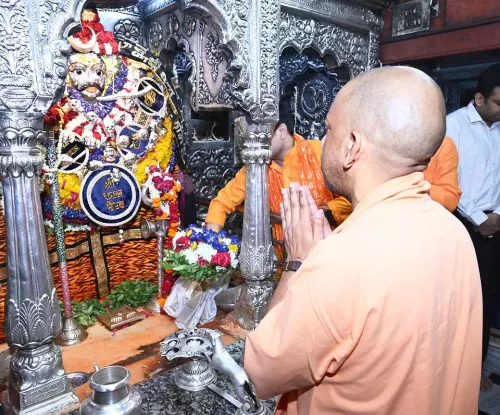
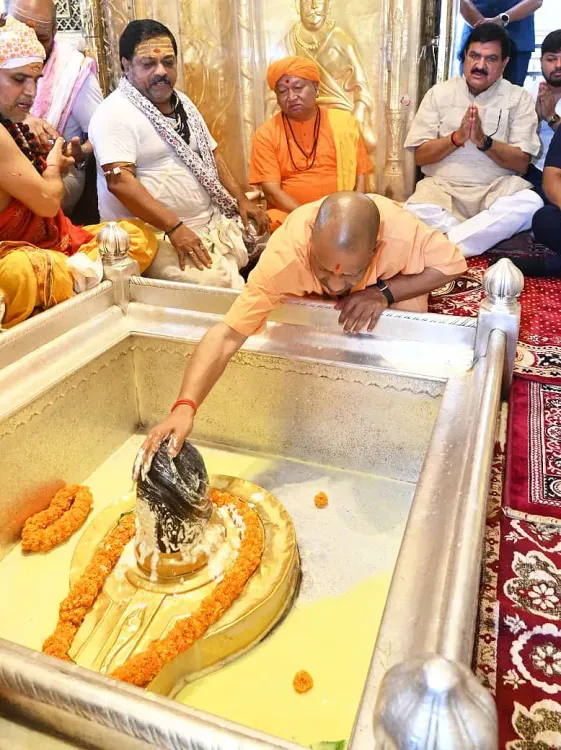
Uttar Pradesh CM Yogi Adityanath visited the Kashi Vishwanath Jyotirlinga in Varanasi on July 30, 2026, during the holy month of Shravan, sharing a Sanskrit Shiva invocation and praying for national glory and universal well-being with 'Har-Har Mahadev'.
Key Takeaways
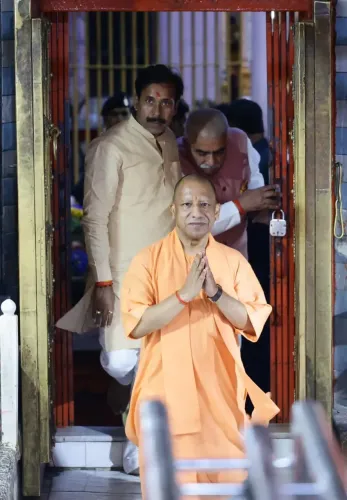
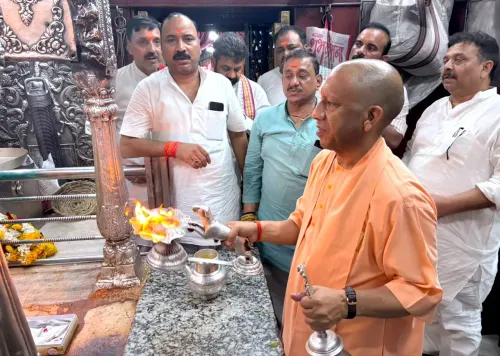
CM Yogi Adityanath performed darshan-pujan at Kashi Vishwanath temple , Varanasi, on 30 July 2026 .
The visit falls during Shravan , the holiest month in the Hindu calendar for Shiva worship.
Kashi Vishwanath is one of the twelve Jyotirlingas, reconstructed by Ahilyabai Holkar in the 18th century.
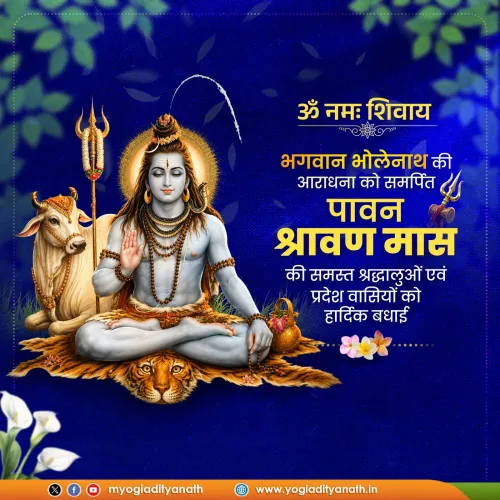
CM Yogi shared a Sanskrit invocation — 'Karpuragauram Karunavtaram' — and prayed for national prosperity, peace, and universal health.
As head of the Gorakhnath Math , Yogi Adityanath regularly integrates personal religious observance into his public profile.
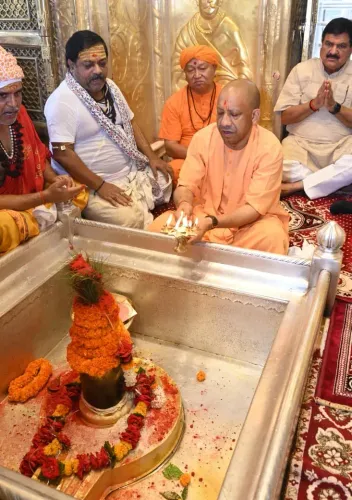
On the most sacred Monday of Shravan 2026, Uttar Pradesh Chief Minister Yogi Adityanath made his way to the ancient ghats of Varanasi for darshan-pujan (worship and beholding of the deity) at Shri Kashi Vishwanath temple — one of Hinduism's twelve Jyotirlingas and arguably its most revered Shiva shrine.
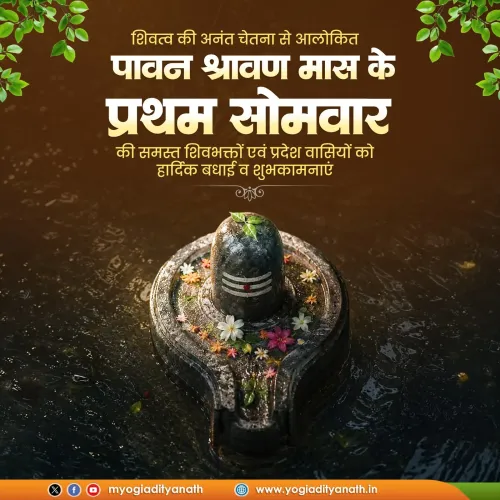
CM Yogi opened his post with the classical Sanskrit invocation 'Karpuragauram Karunavtaram...' — a timeless verse extolling Lord Shiva as the camphor-white, compassionate lord adorned with the serpent-king, ever-dwelling in the lotus of the heart alongside Goddess Bhavani. The verse is among the most widely recited Shiva stotras in the Hindu tradition.
The sacred weight of Shravan in Kashi
Shravan, the fifth month of the Hindu lunar calendar, is considered the holiest period for Shiva worship. Devotees across India observe fasts, undertake pilgrimages, and offer jal abhishek (ritual water-pouring) at Shiva temples throughout the month. Varanasi — the city Lord Shiva is said to inhabit eternally — draws millions of pilgrims during Shravan, its lanes filling with saffron-clad kanwariyas carrying Ganga water from Haridwar to offer at the lingam.
The Kashi Vishwanath temple itself carries centuries of history. Reconstructed in the 18th century by Maratha queen Ahilyabai Holkar, its golden spire remains one of the most recognisable silhouettes on the Ganga skyline. The adjacent Kashi Vishwanath Corridor, inaugurated in 2021, dramatically expanded pilgrims' access to the temple complex.
A prayer for national prosperity and individual well-being
In his post, CM Yogi offered a layered prayer: that Lord Bholenath's boundless grace bring welfare to all creation, that the nation advance continuously on the path of glory, and that every person's life be filled with happiness, peace, prosperity, and good health. He closed with the invocation 'Har-Har Mahadev' — the battle-cry and devotional salutation synonymous with Shiva worship in Varanasi.
The visit underscores the personal religious dimension that Yogi Adityanath, himself the head of the Gorakhnath Math in Gorakhpur, brings to public life — a Nath Sampraday monk who has held the chief ministership of India's most populous state since 2017. For his supporters, the Shravan pilgrimage to Kashi is both a personal act of devotion and a public affirmation of the state's deep Shaivite heritage.
Point of View
The Shravan pilgrimage to Kashi is never purely personal — it is a deliberate signal of civilisational continuity, reinforcing the BJP's broader cultural-nationalist narrative. Yogi Adityanath's repeated high-profile temple visits, particularly in Varanasi, tighten the symbolic link between state governance and Shaivite religious identity. The prayer for 'national glory' alongside universal welfare reflects a consistent rhetorical pattern: framing religious observance as statecraft. As Uttar Pradesh heads toward future electoral cycles, these moments of visible piety serve as soft political capital among the state's large devotee base.
NationPress
13 Sept 2026
Frequently Asked Questions
Why did CM Yogi visit Kashi Vishwanath in July 2026?
CM Yogi Adityanath visited Kashi Vishwanath on 30 July 2026 to perform darshan-pujan during the holy month of Shravan , the most auspicious period in the Hindu calendar for Lord Shiva's worship.
What is the significance of Shravan month for Shiva devotees?
Shravan is the fifth month of the Hindu lunar calendar and is considered the holiest time to worship Lord Shiva . Devotees fast, visit temples, and perform jal abhishek (ritual water offerings) throughout the month.
What Sanskrit verse did CM Yogi share in his post?
CM Yogi shared the verse beginning 'Karpuragauram Karunavtaram' , a classical Shiva stotra that describes Lord Shiva as the camphor-white, compassionate deity adorned with a serpent garland, dwelling eternally in the devotee's heart.
What is Kashi Vishwanath temple and why is it important?
Kashi Vishwanath in Varanasi is one of Hinduism's twelve Jyotirlingas — the most sacred Shiva shrines. It was reconstructed in the 18th century by Maratha queen Ahilyabai Holkar and remains one of India's most visited pilgrimage sites.
What did CM Yogi pray for at Kashi Vishwanath?
CM Yogi prayed for the welfare of all creation, for India to advance on the path of national glory, and for every citizen's life to be filled with happiness, peace, prosperity, and good health.