CM Yogi Visits Maa Kamakhya Temple in Ayodhya's Rudauli
Synopsis
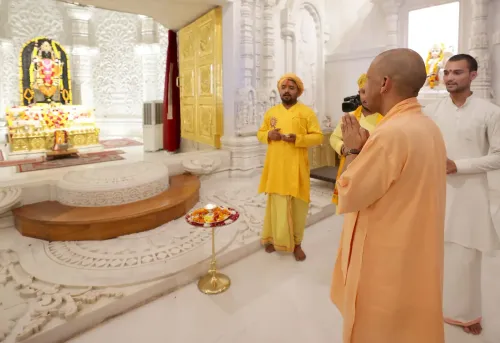
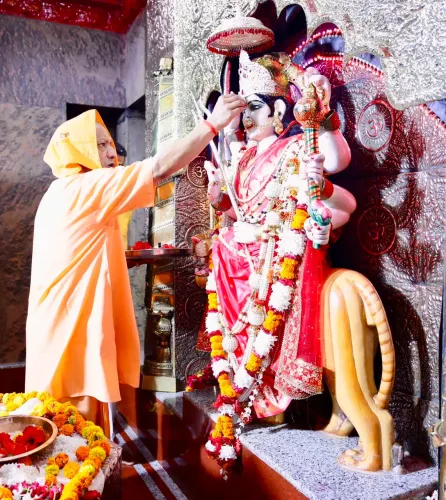
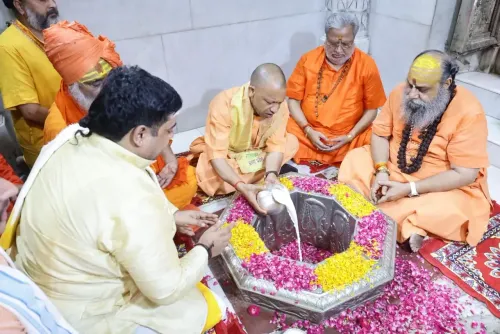
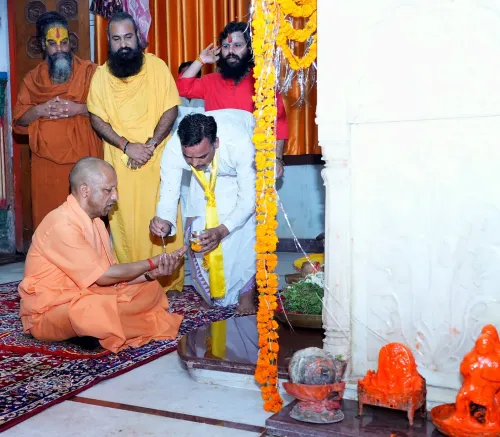
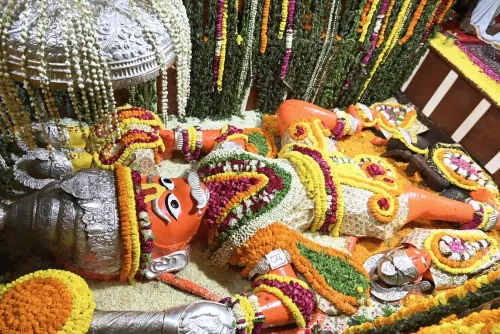
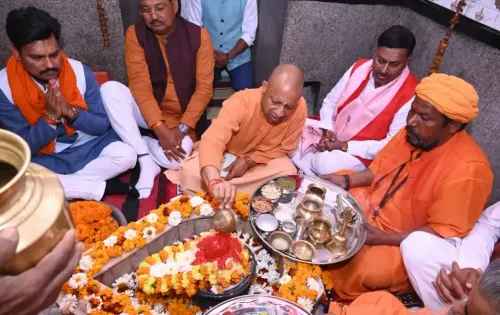
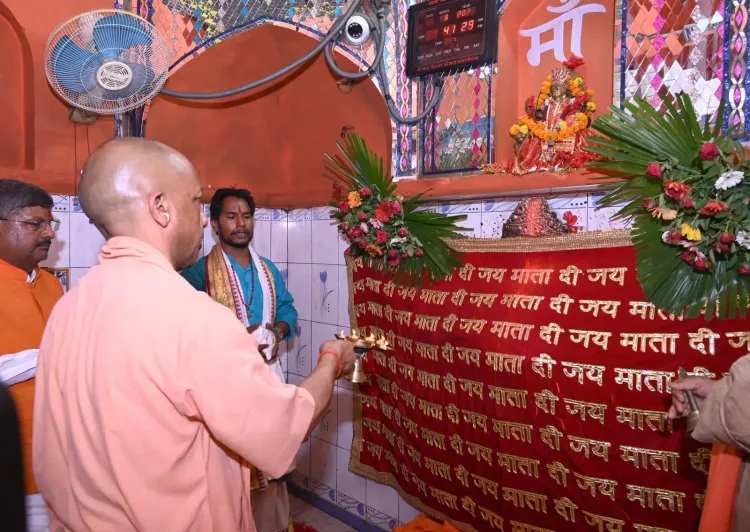
Chief Minister Yogi Adityanath visited the Siddhapeeth Maa Kamakhya Devi Temple in Rudauli, Ayodhya district on June 19, 2026, offering prayers for state residents' welfare and performing the Annaprashan Sanskar ceremony for children at the temple premises.
Key Takeaways
CM Yogi Adityanath visited the Siddhapeeth Maa Kamakhya Devi Temple in Rudauli, Ayodhya district on June 19, 2026 .
He performed darshan-pujan and prayed for the happiness, prosperity, and welfare of Uttar Pradesh residents.
The Chief Minister conducted the Annaprashan Sanskar — a traditional Hindu first-feeding rite — for children at the temple premises.
The visit is part of a broader pattern of the UP administration integrating Hindu ceremonial events into the Chief Minister's official calendar.
The event highlights the government's focus on regional pilgrimage sites across Ayodhya district , beyond the Ram Mandir complex.
Chief Minister Yogi Adityanath, through the Chief Minister's Office of Uttar Pradesh, on Friday, June 19, 2026, visited the Siddhapeeth Maa Kamakhya Devi Temple in Rudauli, Ayodhya district, where he offered prayers seeking the happiness, prosperity, and welfare of the people of Uttar Pradesh. The Chief Minister also performed the Annaprashan Sanskar (first solid-food feeding ceremony) for children at the temple premises.
Context
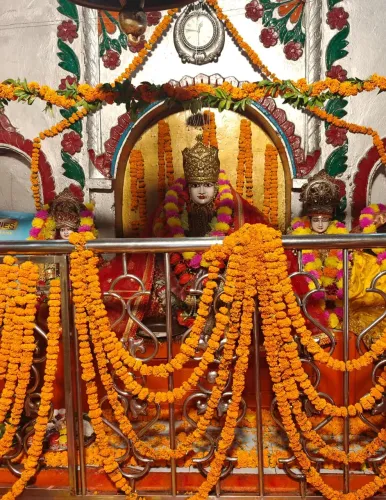
The CMO's post, shared in Hindi, reads: 'Maa Kamakhya ka aashirvaad, lokamangal ka sankalp!' — 'The blessings of Maa Kamakhya, a resolve for the welfare of all.' CM Yogi performed darshan-pujan (worship and veneration) at the temple, praying for the wellbeing of residents across the state. The Rudauli temple is a regional Siddhapeeth — a shrine considered especially potent for spiritual fulfilment — dedicated to Goddess Kamakhya.
The Annaprashan Sanskar is one of the sixteen traditional Hindu samskaras (rites of passage), marking the occasion when an infant is first introduced to solid food. The public performance of this ceremony by the Chief Minister at a temple setting underlines the administration's practice of integrating community rituals into official engagements.
Policy Backdrop
Since assuming office in 2017, CM Yogi Adityanath — a former priest of the Gorakhnath Temple in Gorakhpur — has regularly included temple visits and Hindu ceremonial observances in his official calendar. This practice has been a consistent feature of governance communication from the CMO.
Following the consecration of the Ram Mandir in Ayodhya in 2024, the state government has intensified its focus on temple-linked events across Ayodhya district, positioning the region as a premier Hindu pilgrimage and cultural tourism destination. Infrastructure upgrades, ghats, and heritage corridors have been developed in tandem with these ceremonial engagements.
Stakeholders and Impact
Local devotees, families of infants who participated in the Annaprashan Sanskar, and the broader community of Rudauli are the immediate stakeholders of this event. For residents of the district, a visit by the Chief Minister to a local Siddhapeeth carries both religious and symbolic significance.
For the wider state, such visits reinforce the government's stated commitment to cultural heritage and the welfare of citizens through traditional practices. The event also draws attention to smaller pilgrimage sites within Ayodhya district beyond the Ram Mandir complex, potentially boosting local religious tourism.
What's Next
The Uttar Pradesh government is expected to continue rolling out temple-area amenities and welfare-linked programmes across Ayodhya district as part of its broader religious tourism strategy. Events such as this one at Rudauli signal that the administration's focus extends to regional shrines, not only the high-profile sites in the city of Ayodhya itself.
Observers will watch whether such visits are followed by announcements of development funds or infrastructure projects for temple towns like Rudauli, a pattern seen at other pilgrimage sites under the current administration.
Point of View
The administration signals a welfare-through-tradition approach that resonates with its core constituency. The choice of a regional Siddhapeeth rather than a marquee site suggests a deliberate effort to extend the Ayodhya religious-tourism narrative beyond the Ram Mandir to smaller, locally significant shrines. This pattern of CMO-publicised temple visits is likely to continue as the state builds its identity around pilgrimage infrastructure and cultural heritage ahead of future electoral cycles.
NationPress
18 Sept 2026
Frequently Asked Questions
Why did CM Yogi Adityanath visit Maa Kamakhya Temple in Rudauli?
CM Yogi Adityanath visited the Siddhapeeth Maa Kamakhya Devi Temple in Rudauli, Ayodhya district on June 19, 2026, to offer prayers for the happiness, prosperity, and welfare of Uttar Pradesh residents, and to perform the Annaprashan Sanskar ceremony for children.
Where is Maa Kamakhya Devi Temple Rudauli located?
The Maa Kamakhya Devi Temple is a Siddhapeeth located in Rudauli, which falls within Ayodhya district in Uttar Pradesh.
What is Annaprashan Sanskar?
Annaprashan Sanskar is a traditional Hindu rite of passage in which an infant is fed solid food for the first time. It is one of the sixteen classical Hindu samskaras and is considered an auspicious ceremony.
What is CM Yogi Adityanath's connection to temples and religious ceremonies?
CM Yogi Adityanath is a former priest of the Gorakhnath Temple in Gorakhpur and has regularly included temple visits and Hindu ceremonial observances in his official schedule since becoming Chief Minister of Uttar Pradesh in 2017.
How is the Uttar Pradesh government promoting Ayodhya as a pilgrimage destination?
Following the 2024 consecration of the Ram Mandir, the UP government has continued state-supported temple visits, infrastructure upgrades, and cultural events across Ayodhya district to develop it as a premier Hindu pilgrimage and religious tourism hub.