CM Yogi Pushes Ranipur Tiger Reserve Development for Chitrakoot Eco-Tourism
Synopsis
The Chief Minister's Office of Uttar Pradesh announced on 8 July 2026 that CM Yogi Adityanath has initiated development works at Ranipur Tiger Reserve to position Chitrakoot as a new tourism and eco-tourism destination in the Bundelkhand region.
Key Takeaways
The Chief Minister's Office of Uttar Pradesh announced on 8 July 2026 that development works at Ranipur Tiger Reserve have begun.
Ranipur Tiger Reserve was notified by the UP government in 2022 , covering parts of Chitrakoot and Banda districts.
The initiative aims to develop Chitrakoot as a new hub for both religious tourism and eco-tourism.
The move aligns with UP's broader eco-tourism strategy for the Bundelkhand region, in place since 2018 .
The project falls under India's Project Tiger framework, launched in 1973 , which links conservation areas to tourism circuits.
Local communities, tourism operators, and wildlife conservation bodies in Chitrakoot and Banda are key stakeholders.
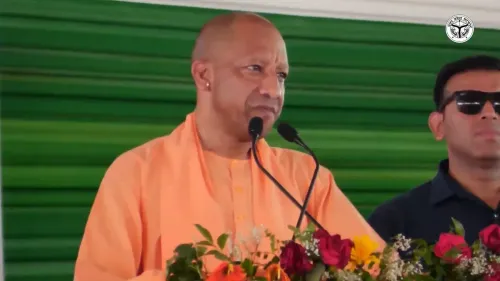
The Chief Minister's Office of Uttar Pradesh announced on Wednesday, 8 July 2026 that the state government has begun advancing development works at Ranipur Tiger Reserve as part of a broader plan to establish Chitrakoot as a new hub for tourism and eco-tourism.
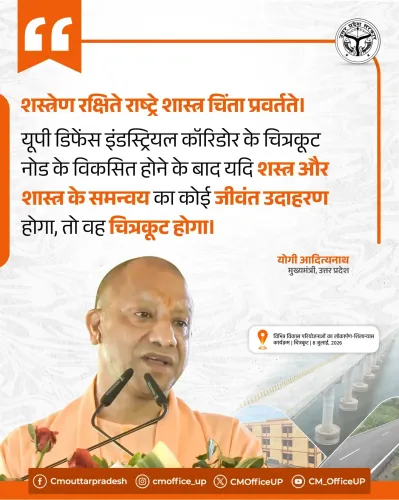
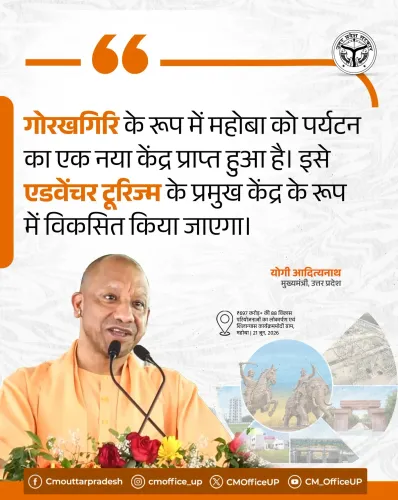
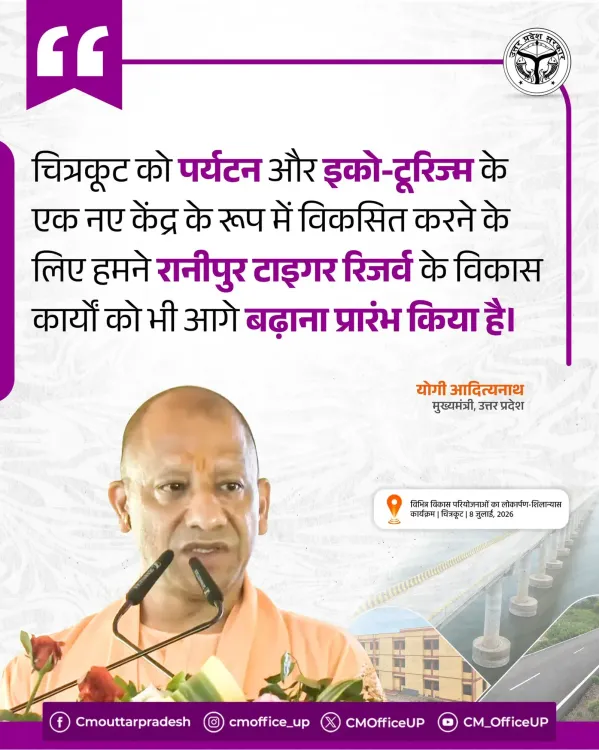
Quoting Chief Minister Yogi Adityanath, the official post stated: 'Chitrakoot ko paryatan aur eco-tourism ke ek naye kendra ke roop mein viksit karne ke liye humne Ranipur Tiger Reserve ke vikas karyon ko bhi aage badhana prarambh kiya hai' — 'To develop Chitrakoot as a new centre for tourism and eco-tourism, we have also begun advancing the development works of Ranipur Tiger Reserve.'
Context
Ranipur Tiger Reserve, notified by the Uttar Pradesh government in 2022, spans parts of Chitrakoot and Banda districts in the Bundelkhand region. It was added to the state's network under India's Project Tiger, the national tiger conservation programme launched in 1973. The reserve's notification was a significant step in bringing structured wildlife protection to a landscape that had previously lacked a formal tiger reserve designation. Chitrakoot holds deep significance in Hindu tradition as a site closely associated with the Ramayana, drawing pilgrims year-round. Its forested terrain and river geography also make it a natural candidate for eco-tourism development alongside its established religious tourism circuit.Policy Backdrop
Uttar Pradesh has pursued an expanding strategy of integrating biodiversity conservation with revenue-generating tourism since 2017, when CM Yogi Adityanath took office. State tourism policy updates from 2018 onwards have specifically emphasised eco-tourism circuits across the Bundelkhand region, with Chitrakoot identified as a priority destination. The push for Ranipur aligns with a national pattern under Project Tiger of linking protected conservation areas to adjacent pilgrimage and nature sites, creating layered visitor economies. Uttar Pradesh has steadily grown its count of tiger reserves in this period, positioning the state as a wildlife tourism destination alongside its existing religious and heritage circuits.Stakeholders and Impact
The development initiative has direct implications for local communities in Chitrakoot and Banda districts, who stand to benefit from expanded tourism infrastructure and employment opportunities in hospitality and nature-guiding sectors. Wildlife conservation bodies will be watching how the infrastructure rollout balances visitor access with habitat protection for the tiger population within the reserve. Tourism operators in the Bundelkhand region, which has historically lagged economically compared to other parts of Uttar Pradesh, see eco-tourism investment as a potential driver of sustained local income. Conservation advocates have noted that well-managed tiger reserves can serve as anchors for broader landscape-level biodiversity outcomes when development is carefully planned.What's Next
Attention will now turn to the release of detailed project timelines, budgets, and tender notices for infrastructure works within Ranipur Tiger Reserve. Visitor data and carrying-capacity assessments for Chitrakoot eco-tourism sites are also expected to shape the phasing of development. The state government's ability to coordinate between its forest department, tourism ministry, and local administration will be a key factor in translating the announcement into on-ground progress.Frequently Asked Questions
What is Ranipur Tiger Reserve and where is it located?
Ranipur Tiger Reserve is a protected wildlife area notified by the Uttar Pradesh government in 2022, spanning parts of Chitrakoot and Banda districts in the Bundelkhand region of UP. It was added to India's Project Tiger network to support tiger conservation in the state.
Why is Chitrakoot being developed as an eco-tourism hub?
Chitrakoot combines deep religious significance linked to the Ramayana with forested terrain and river landscapes suited to eco-tourism. The UP government sees it as an anchor destination for a broader Bundelkhand eco-tourism circuit that can generate local employment and revenue.
What did CM Yogi Adityanath announce about Ranipur Tiger Reserve?
On 8 July 2026, CM Yogi Adityanath, quoted by the Chief Minister's Office of Uttar Pradesh, stated that the state has begun advancing development works at Ranipur Tiger Reserve as part of plans to establish Chitrakoot as a new tourism and eco-tourism centre.
What is Project Tiger and how does Ranipur fit into it?
Project Tiger is India's national tiger conservation programme launched in 1973. Ranipur Tiger Reserve, notified in 2022, is one of the reserves added to this network in Uttar Pradesh, integrating habitat protection with the potential for managed wildlife tourism.
Who benefits from the Ranipur Tiger Reserve development?
Local communities in Chitrakoot and Banda districts stand to gain through tourism-linked employment. Tourism operators in the Bundelkhand region, which has historically faced economic challenges, and wildlife conservation bodies tracking tiger population health are also key stakeholders.