CM Yogi Questions SP, Congress on Faith and Heritage Funds
Synopsis
Uttar Pradesh Chief Minister Yogi Adityanath on 7 July 2026 publicly challenged the Samajwadi Party and Congress, accusing them of spending Hindu heritage revival funds on cemetery walls and questioning what faith they represent. The attack revives a long-running BJP narrative on religious-site governance in the state.
Key Takeaways
Yogi Adityanath posted on 7 July 2026 accusing SP and Congress of diverting Hindu heritage revival funds to cemetery boundary walls.
He directed citizens to ask SP and Congress leaders directly what faith they stand for.
The BJP has levelled this charge against the SP government (2012–2017) , which ran minority welfare programmes that included burial-ground infrastructure.
Since 2017 , the Adityanath government has launched major Hindu heritage projects including the Kashi Vishwanath Corridor in Varanasi and development in Ayodhya .
The post keeps a recurring BJP identity-politics narrative active between election cycles in Uttar Pradesh .
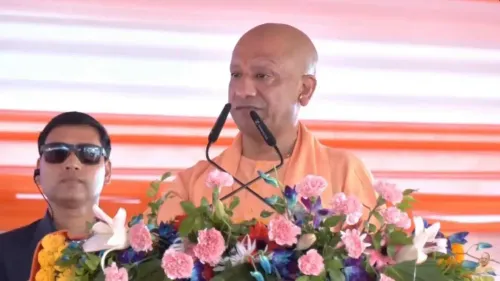
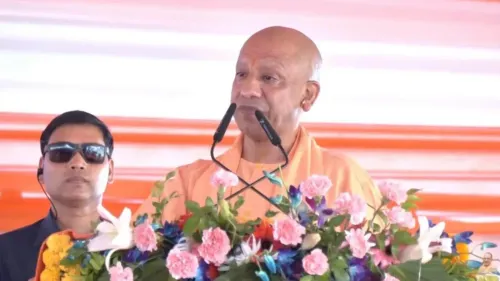
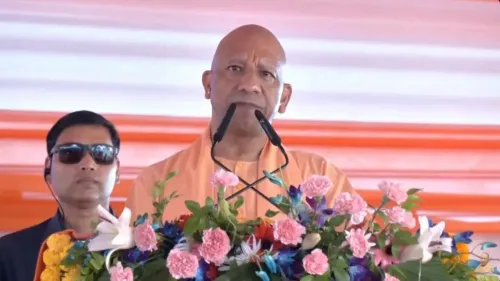
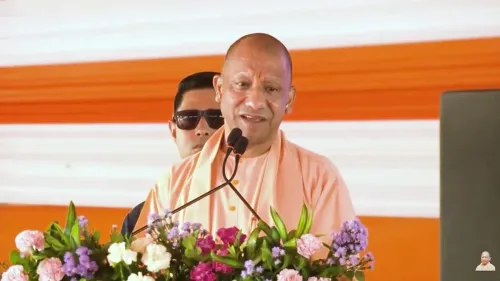
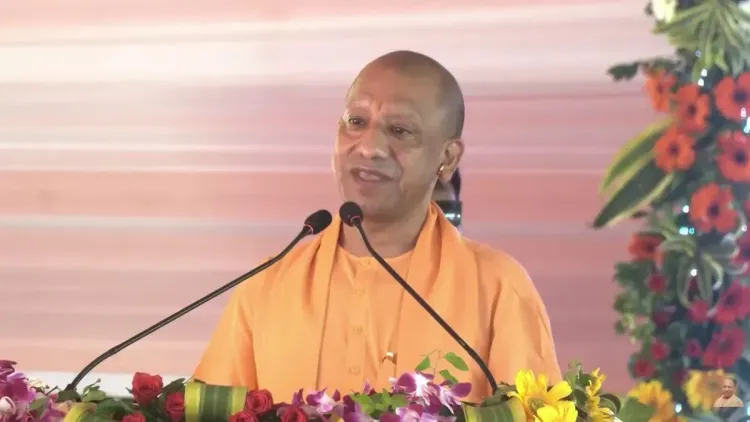
Uttar Pradesh Chief Minister Yogi Adityanath on Tuesday, 7 July 2026, sharpened his attack on the Samajwadi Party and the Indian National Congress, accusing both parties of diverting funds meant for Hindu religious heritage sites toward cemetery boundary walls during their tenures in power.
Posting on X in Hindi, the Chief Minister asked: 'जो हिंदू विरासत से जुड़े हुए धार्मिक स्थलों के पुनरुद्धार का पैसा कब्रिस्तान की बाउंड्री वाल पर खर्च कर देते थे, वे लोग कौन सी आस्था की बात कर रहे हैं' — ('Those who spent money meant for the revival of Hindu heritage religious sites on cemetery boundary walls — what faith are they talking about?'). He directed citizens to put this question directly to SP and Congress leaders.
Context
The post is a pointed political indictment framed as a rhetorical question. Adityanath has consistently positioned his government as a restorer of Hindu religious heritage in Uttar Pradesh, contrasting it with what he describes as the minority-appeasement priorities of predecessor governments. The reference to 'cemetery boundary walls' is a recurring BJP critique directed primarily at the SP government (2012–2017) under Akhilesh Yadav, which ran minority welfare programmes that included burial-ground infrastructure grants.
The charge has been a staple of BJP campaign messaging in the state since at least 2017. By raising it on social media, Adityanath keeps the narrative active between election cycles, framing governance as a question of cultural identity and fiscal priority.
Policy Backdrop
Since assuming office in March 2017, Adityanath has overseen several high-profile Hindu heritage restoration projects, most notably the Kashi Vishwanath Corridor in Varanasi and large-scale development works in Ayodhya. These projects have been presented by his administration as evidence of a course correction after years of alleged neglect of Hindu religious sites.
The SP and Congress have separately governed Uttar Pradesh for significant stretches before 2017. The BJP's institutional argument is that state funds under those administrations were selectively channelled toward minority-community infrastructure at the expense of Hindu pilgrimage and heritage sites — a claim both parties have contested.
Stakeholders and Impact
Hindu religious organisations and temple trusts in the state have broadly welcomed the Adityanath government's heritage restoration agenda. The post is also directed at the wider voter base in Uttar Pradesh, India's most populous state, where identity politics around religious sites carries significant electoral weight.
For the Samajwadi Party and Congress, the attack renews pressure to publicly defend their spending records on religious infrastructure — a terrain on which both parties have historically struggled to counter BJP messaging in the state.
What's Next
Political observers will watch for formal rebuttals from SP or Congress in the Uttar Pradesh assembly or on the campaign trail. Any new state budget allocations for temple or ghat restoration projects could reinforce the contrast Adityanath is drawing. The exchange signals that heritage-versus-appeasement framing will remain a central fault line in Uttar Pradesh politics heading into future electoral contests.
Point of View
He keeps the narrative populist and difficult to rebut on procedural grounds. The timing, outside any immediate election window, suggests the party is working to keep cultural-identity issues salient as a baseline political climate. This fits a broader pattern across BJP-governed large states where governance performance is regularly anchored to religious heritage as a visible, emotionally resonant metric.
NationPress
7 Jul 2026
Frequently Asked Questions
What did CM Yogi Adityanath say about SP and Congress on 7 July 2026?
Yogi Adityanath accused the Samajwadi Party and Congress of spending money earmarked for Hindu heritage site revival on cemetery boundary walls, and asked voters to question both parties about what faith they actually represent.
Which government is accused of diverting Hindu temple funds in UP?
The BJP's long-standing charge is directed primarily at the Samajwadi Party government that ruled Uttar Pradesh from 2012 to 2017, which ran minority welfare schemes that included grants for burial-ground infrastructure.
What Hindu heritage projects has Yogi Adityanath's government undertaken?
Since 2017, the Adityanath government has overseen major projects including the Kashi Vishwanath Corridor in Varanasi and large-scale heritage and infrastructure development in Ayodhya.
How have SP and Congress responded to Yogi Adityanath's heritage fund allegations?
Both parties have historically contested the BJP's claims about fund diversion, though no immediate formal rebuttal to this specific 7 July 2026 post has been recorded in available information.
Why does BJP keep raising the cemetery boundary wall issue in UP politics?
The charge is a recurring identity-politics argument that frames state spending as a proxy for religious favouritism, a narrative that has proved effective with the BJP's core voter base in Uttar Pradesh across multiple election cycles.