CM Yogi Recalls 2005 Mau Violence, Cites Mafia-State Nexus
Synopsis
Chief Minister Yogi Adityanath has invoked the October 2005 Mau riots, alleging that criminals shielded by the then-ruling government disrupted a Ramleela event and massacred innocent Hindus. The post sharpens the BJP's long-running governance contrast ahead of the 2027 Uttar Pradesh assembly elections.
Key Takeaways
Uttar Pradesh Chief Minister Yogi Adityanath posted on X on 29 May 2026 recalling the 2005 Mau riots .
He alleged that mafia elements operating under 'government protection' disrupted a Ramleela event and killed innocent Hindus.
The 2005 Mau violence occurred during the Samajwadi Party government led by Mulayam Singh Yadav .
Mau district in eastern Uttar Pradesh has a documented history of communal incidents linked to religious processions.
Since 2017 , the Yogi government has made anti-mafia operations central to its law-and-order record and political messaging.
The post is seen as part of BJP's broader governance narrative ahead of the 2027 Uttar Pradesh assembly elections .
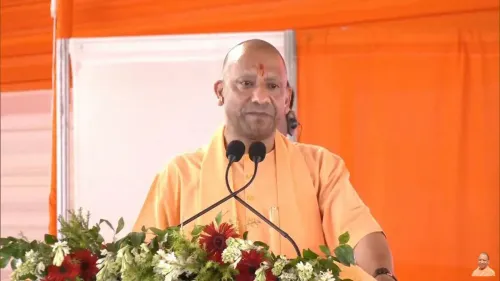
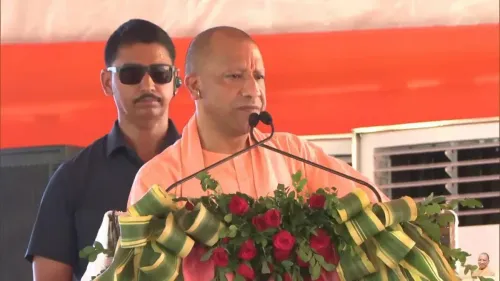
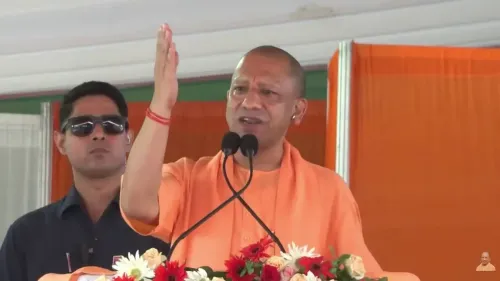
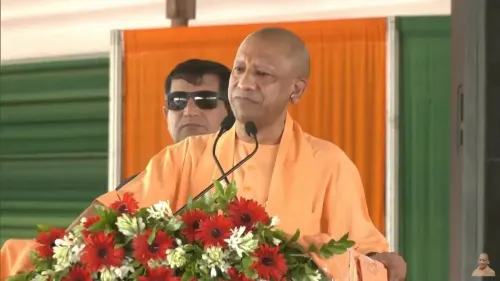
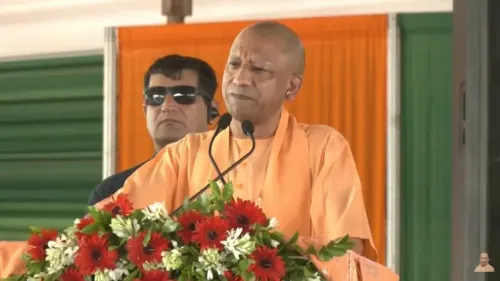
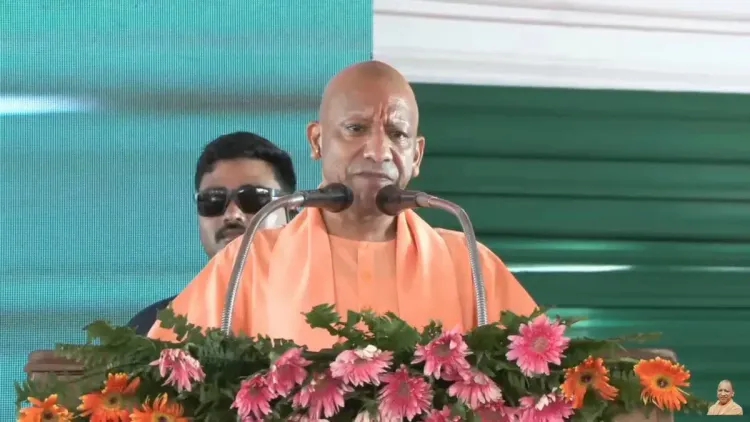
Uttar Pradesh Chief Minister Yogi Adityanath on Friday, 29 May 2026, invoked the 2005 Mau riots in a post on X, alleging that criminals operating under political protection had disrupted a Ramleela event and carried out the killing of innocent Hindus in the district.
Writing in Hindi, the Chief Minister stated: 'मऊ के लोग भूले नहीं होंगे' ('The people of Mau will not have forgotten') — recalling what he described as a 'vile attempt to set Mau ablaze in 2005,' in which mafia elements allegedly 'created disruption in the organisation of Ramleela and massacred innocent Hindus under the protection of the government in power.'
Context
The 2005 Mau riots broke out in October 2005 in Mau district, a textile-trading town in eastern Uttar Pradesh, amid communal clashes linked to religious processions. The violence resulted in multiple deaths and drew widespread condemnation. The Samajwadi Party government, led at the time by Mulayam Singh Yadav, was in office during the episode and faced sustained criticism over its handling of law and order.
Ramleela — the annual public enactment of the Ramayana — has historically been a flashpoint for procession-related disputes in parts of eastern Uttar Pradesh. Yogi Adityanath's post frames the 2005 violence specifically as an attack on that religious observance, enabled by what he characterises as state-level patronage of criminal networks.
Policy Backdrop
Since assuming office in 2017, Chief Minister Yogi Adityanath has made anti-mafia operations a centrepiece of his administration's law-and-order narrative. Sustained drives against organised crime syndicates — many of them identified with alleged political protection during earlier SP and BSP governments — have been repeatedly cited by the BJP as evidence of a governance transformation in Uttar Pradesh.
The Yogi government has frequently referenced pre-2017 incidents, including the 2005 Mau violence, to draw a contrast between what it describes as an era of 'mafia raj' and the policing record since 2017. This messaging has been a consistent feature of BJP political communication in the state.
Stakeholders and Impact
Residents of Mau district — which has a significant Muslim weaver population alongside a large Hindu majority — remain the most directly affected constituency in any political invocation of the 2005 riots. Communal harmony monitors and civil society groups in the region have long called for sensitive handling of references to the violence to prevent renewed tensions.
The post, which includes a video, is likely to reopen public debate about accountability for the 2005 events and the broader question of organised crime's historical relationship with political power in Uttar Pradesh.
What's Next
With Uttar Pradesh assembly elections scheduled for 2027, political observers will watch whether this post signals the beginning of a more sustained BJP campaign centred on the 2005 Mau violence and the governance record of the SP era. Any official commemorative events or further statements timed around the October anniversary of the riots would reinforce that reading. The Samajwadi Party has not yet responded publicly to the Chief Minister's remarks.
Point of View
The post targets both religious sentiment and the SP's historical law-and-order record — a dual-frequency signal aimed at consolidating the BJP's core voter base. With the 2027 state elections approaching, such messaging is likely to intensify, making the SP's response — or silence — politically significant. The framing also keeps the question of accountability for the 2005 deaths alive in public discourse, an issue that has never been fully resolved through the judicial process.
NationPress
13 Oct 2026
Frequently Asked Questions
What were the 2005 Mau riots?
The 2005 Mau riots were outbreaks of communal violence in Mau district, eastern Uttar Pradesh, in October 2005. Clashes erupted around religious processions, resulting in multiple deaths. The Samajwadi Party government was in power at the time and faced criticism for its handling of the situation.
Why is CM Yogi talking about the 2005 Mau riots now?
Chief Minister Yogi Adityanath posted about the 2005 Mau riots on 29 May 2026, though the specific trigger for the timing has not been officially stated. The reference fits a broader BJP pattern of contrasting the pre-2017 law-and-order record with governance improvements under the current administration, particularly ahead of the 2027 UP elections.
What was the Samajwadi Party's role in the 2005 Mau violence?
The Samajwadi Party, led by Chief Minister Mulayam Singh Yadav, was in power in Uttar Pradesh during the October 2005 Mau riots. The party faced sustained allegations of inadequate action against organised crime and communal flare-ups in the region, charges it has historically denied.
What is Ramleela and why is it significant in this context?
Ramleela is the annual public enactment of the Hindu epic Ramayana, observed across India during the Navratri-Dussehra season. In parts of eastern Uttar Pradesh, processions associated with religious events including Ramleela have historically been linked to communal disputes. CM Yogi's post alleges the 2005 Mau violence was specifically triggered by disruption of a Ramleela event.
How has the Yogi government addressed the mafia problem in Uttar Pradesh?
Since 2017, the Yogi Adityanath government has conducted sustained anti-mafia operations across Uttar Pradesh, targeting criminal networks that it alleges received political protection under previous administrations. These drives have included property demolitions, criminal prosecutions, and police encounters, and form a central part of the BJP's governance narrative in the state.