CM Yogi seeks blessings of Kala Bhairava, Kashi's eternal guardian
Synopsis
Uttar Pradesh Chief Minister Yogi Adityanath visited the Kala Bhairava temple in Varanasi on July 30, 2026, offering prayers for universal welfare. He quoted a classical Sanskrit hymn to the deity — revered as Kashi's eternal guardian and Kotwal — in keeping with his Nath tradition roots.
Key Takeaways
CM Yogi Adityanath offered darshan and puja at the Kala Bhairava temple in Varanasi on July 30, 2026 .
Kala Bhairava is a fierce form of Shiva worshipped as the traditional Kotwal (guardian) of Kashi.
The Chief Minister quoted a classical Sanskrit shloka invoking the deity as lord of the city of Kashi and bestower of grace.
He prayed for the welfare of all creation ( sampurna srishti ka kalyan ) during the visit.
The visit is consistent with Adityanath's identity as head of the Gorakhnath Math and the state's emphasis on Hindu pilgrimage sites.
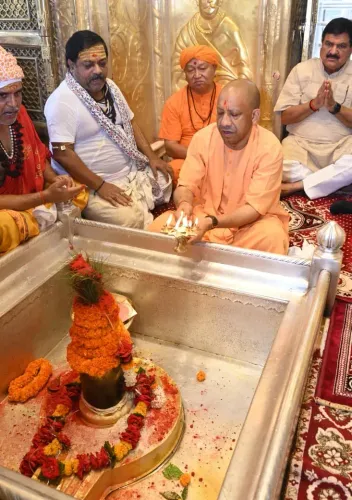
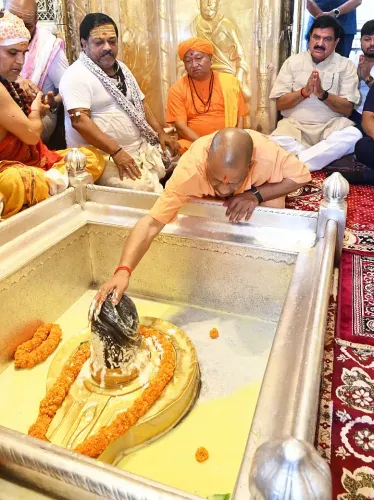
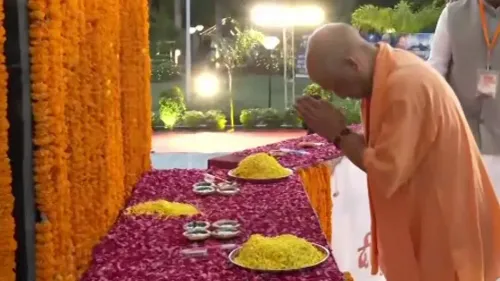
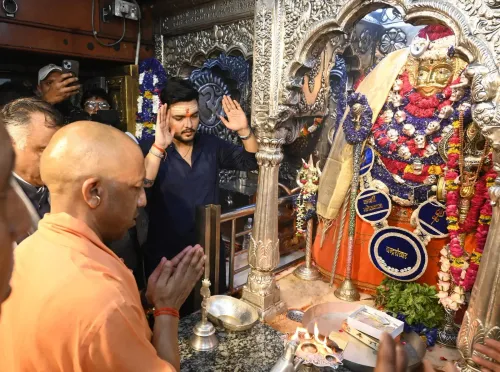
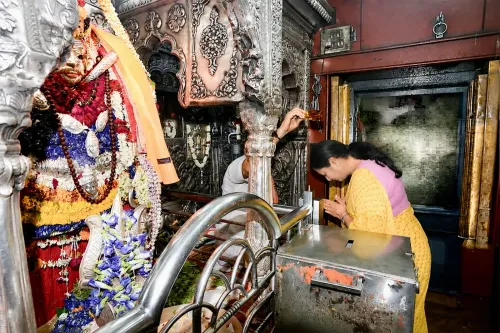
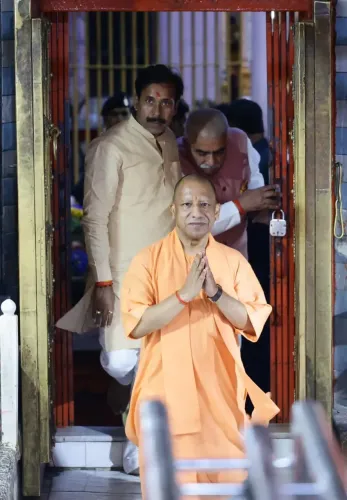
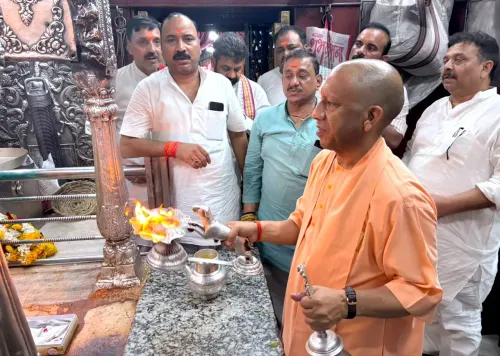
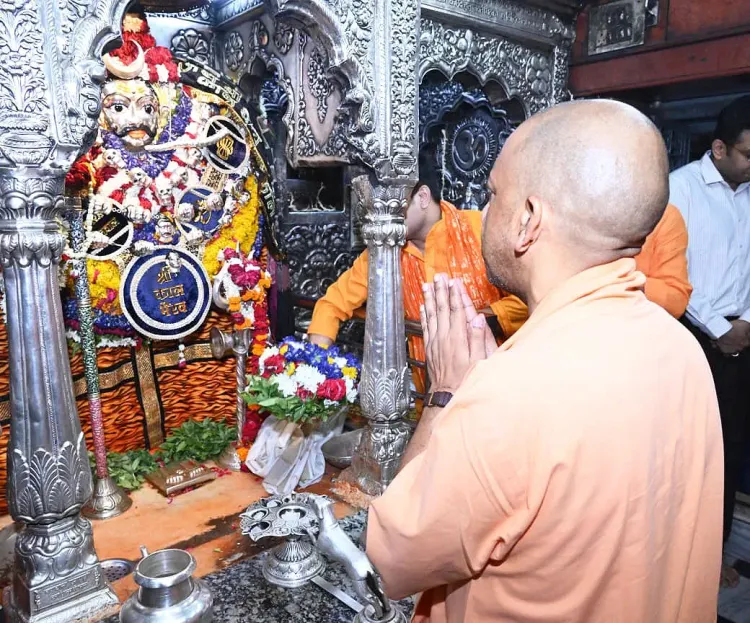
In the ancient lanes of Varanasi, where stone temples have absorbed centuries of prayer, Uttar Pradesh Chief Minister Yogi Adityanath on Thursday, July 30, 2026, offered darshan and puja at the shrine of Shri Kala Bhairava — the fearsome, beloved deity Kashiites call their city's Kotwal.
Offering a Sanskrit verse in his post — 'Kashikāpurādhinātha Kālabhairavam bhaje' ('I worship Kala Bhairava, the lord of the city of Kashi') — the Chief Minister wrote that he prayed for the welfare of all creation during his visit to what he called Dharmanagari Kashi, the city of dharma.
Who is Kala Bhairava — and why Kashi calls him Kotwal
Kala Bhairava is a fierce manifestation of Lord Shiva, venerated across the Hindu tradition as the master of time and the cosmic guardian of the dead. In Varanasi specifically, the deity holds a singular civic-spiritual title: Kotwal, or the city's chief of police. Tradition holds that no soul enters or exits Kashi without the Kotwal's sanction — a belief that has drawn pilgrims to the Kala Bhairava temple for well over a millennium. The deity is depicted holding a trident and a skull, draped in garlands of skulls, yet is regarded as profoundly compassionate to sincere devotees.Adityanath's Nath tradition and Kashi's place in it
Yogi Adityanath is the head of the Gorakhnath Math in Gorakhpur, a seat of the Nath sampradaya — a yogic tradition with deep roots in Shaiva practice. Visits to Kashi's major temples are a recurring feature of his public calendar, consistent both with his personal religious identity and with the BJP-led Uttar Pradesh government's sustained emphasis on preserving and promoting Hindu pilgrimage infrastructure across the state. Varanasi, represented in Parliament by Prime Minister Narendra Modi, has been a focal point of that cultural-infrastructure push, with temple corridors, ghats, and pilgrim facilities receiving significant state and central investment in recent years. The Sanskrit shloka the Chief Minister quoted is a traditional hymn to Kala Bhairava, invoking the deity as one worshipped by the gods themselves, adorned with the crescent moon, revered by sages including Narada, and beseeched by seekers of grace — a verse that frames the visit firmly within classical devotional practice rather than political spectacle. For Varanasi's millions of residents and the endless stream of pilgrims who arrive each day, the Kotwal's shrine is less a political backdrop than a living, breathing centre of the city's identity. When the state's chief minister bows there, the gesture lands on both registers at once — and Kashi, as ever, absorbs it all in silence.Point of View
His Shaiva credentials are organic, not performed, which gives these moments a credibility that purely electoral temple visits often lack. The BJP-led state government has invested heavily in Varanasi's religious infrastructure, and a sitting Chief Minister's darshan at the city's most iconic shrine reinforces that cultural-governance narrative. Taken together, these gestures build a consistent image of the state as an active steward of Hindu civilisational heritage — a frame that resonates well beyond Uttar Pradesh's borders.
NationPress
30 Jul 2026
Frequently Asked Questions
Who is Kala Bhairava and why is he called the Kotwal of Kashi?
Kala Bhairava is a fierce manifestation of Lord Shiva associated with time and cosmic guardianship. In Varanasi, he holds the title of Kotwal — the city's divine chief of police — because tradition holds that he governs all souls entering and leaving the sacred city.
Why did CM Yogi Adityanath visit the Kala Bhairava temple?
CM Yogi Adityanath visited the Kala Bhairava temple in Varanasi on July 30, 2026 to offer darshan and prayers for the welfare of all creation, as stated in his post. Such visits are consistent with his role as head of the Gorakhnath Math and his Nath tradition background.
What is the Gorakhnath Math and what is its connection to Kashi?
The Gorakhnath Math in Gorakhpur is the seat of the Nath sampradaya, a yogic tradition rooted in Shaiva practice. Kashi (Varanasi) is a major centre of Shaiva worship, making it a natural site of pilgrimage for the Math's head, Yogi Adityanath .
What Sanskrit shloka did CM Yogi quote in his post?
CM Yogi quoted a verse from a classical hymn to Kala Bhairava — 'Kashikāpurādhinātha Kālabhairavam bhaje' — meaning 'I worship Kala Bhairava, the lord of the city of Kashi,' invoking the deity as one revered by gods, sages, and seekers of grace.
How often does CM Yogi Adityanath visit temples in Varanasi?
CM Yogi Adityanath periodically visits prominent temples in Varanasi as part of a consistent pattern tied to both his personal religious practice and the state government's emphasis on Hindu pilgrimage heritage in Uttar Pradesh.