CM Yogi: Shivaji Museum to be ready by end of 2026
Synopsis
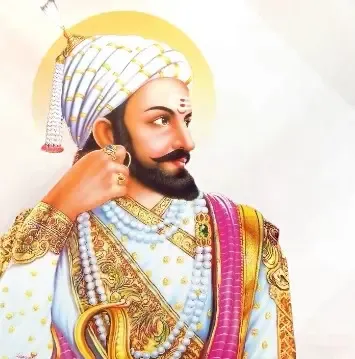
Chief Minister Yogi Adityanath announced on 25 July 2026 that a grand museum dedicated to Chhatrapati Shivaji Maharaj will be completed by end of 2026, and that the UP government has approved acquisition of the historic Agra kothi where the Maratha king stayed during his 1666 visit.
Key Takeaways
The Chhatrapati Shivaji Maharaj Museum under construction in Uttar Pradesh is targeted for completion by end of 2026 .
CM Yogi Adityanath announced government approval for acquiring the historic Agra kothi where Shivaji Maharaj stayed during his 1666 visit.
The kothi acquisition is part of Uttar Pradesh 's broader heritage conservation and tourism development drive active since 2017 .
Both projects are expected to boost heritage tourism in Uttar Pradesh , drawing visitors connected to Maratha history.
The announcements were made by the Chief Minister's Office of Uttar Pradesh on 25 July 2026 .
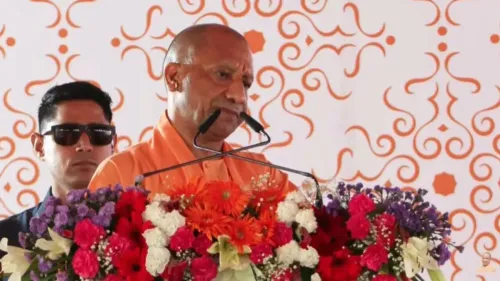
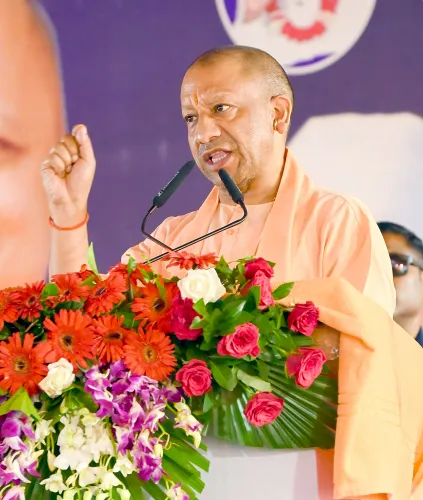
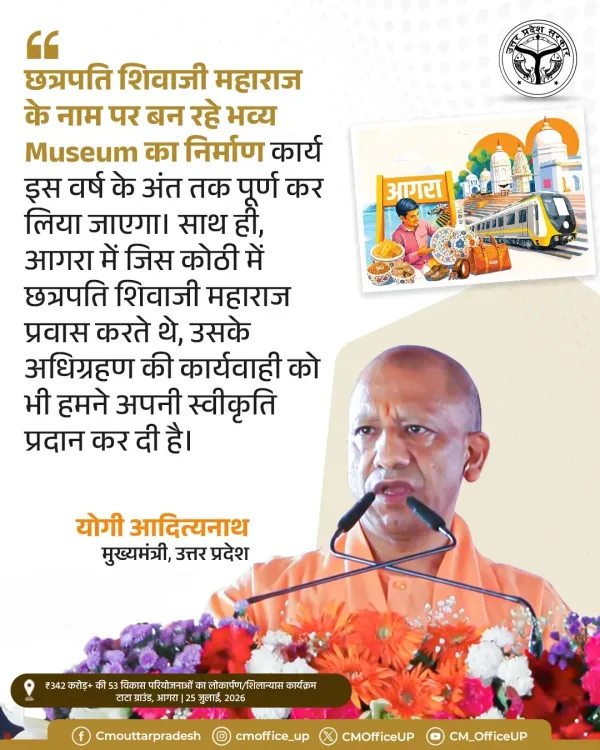
The Chief Minister's Office of Uttar Pradesh announced on Saturday, 25 July 2026 that a grand museum being built in the name of Chhatrapati Shivaji Maharaj will be completed by the end of this year, and that the government has approved the acquisition of a historic kothi in Agra where the Maratha king once stayed.
Context
Chief Minister Yogi Adityanath stated: 'Chhatrapati Shivaji Maharaj ke naam par ban rahe bhavya Museum ka nirman karya is varsh ke ant tak poorn kar liya jaega' — 'The construction of the grand museum being built in the name of Chhatrapati Shivaji Maharaj will be completed by the end of this year.' He added that the government has also granted approval for the acquisition of the kothi in Agra where Chhatrapati Shivaji Maharaj had resided during his visit.
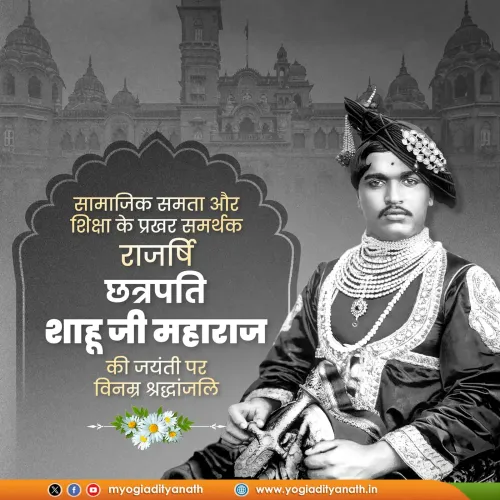
Chhatrapati Shivaji Maharaj visited Agra in 1666 as a guest — and effectively a captive — of the Mughal Emperor Aurangzeb. The kothi associated with that historic sojourn has long been a point of cultural interest for heritage researchers and Maratha history enthusiasts. The state government's move to acquire it marks a significant step in preserving this Mughal-era structure tied to Maratha history.
Policy Backdrop
Since 2017, the Yogi Adityanath government in Uttar Pradesh has pursued an ambitious programme of heritage tourism development, including the restoration and promotion of sites linked to historically significant figures from across India. The Shivaji museum project and the Agra kothi acquisition fit squarely within this broader cultural infrastructure push.
Such projects reflect a consistent state-level effort to draw connections between Uttar Pradesh's historic landscape and pan-Indian historical narratives — particularly figures whose reach extended well beyond modern state boundaries. The museum, once complete, is expected to serve as a major cultural landmark drawing visitors from Maharashtra and across the country.
Stakeholders and Impact
Heritage researchers, Maratha history scholars, and tourism stakeholders stand to benefit directly from both announcements. The museum will provide a dedicated space to document and display the legacy of Chhatrapati Shivaji Maharaj, while the Agra kothi, once acquired, could become an important node in a historical tourism circuit linking Mughal-era and Maratha-era sites in Uttar Pradesh.
Residents of Agra — a city already anchored in heritage tourism by the Taj Mahal and Agra Fort — could see additional footfall if the kothi is developed as a public heritage site. Communities with ties to Maratha history, including visitors from Maharashtra, are likely to view the acquisition as a gesture of cultural recognition.
What's Next
The government's stated deadline for the museum's completion is end of 2026. Progress on the formal acquisition proceedings for the Agra kothi will be closely watched, as will any linked announcements about a broader Shivaji-themed or Maratha heritage tourism circuit in the state.
If both projects are delivered on schedule, they could reinforce Uttar Pradesh's positioning as a multi-narrative heritage destination — one that honours not just Mughal history but also the stories of those who contested Mughal authority, potentially reshaping the state's cultural tourism identity ahead of future election cycles.
Point of View
A figure revered across party lines but particularly associated with BJP's cultural nationalism, allows the UP government to project pan-Indian historical stewardship beyond its Mughal-era tourism identity. The Agra kothi acquisition is especially notable: it ties a site of Maratha-Mughal confrontation directly into UP's heritage map, a narrative choice with clear political resonance. Together, these moves deepen Uttar Pradesh's positioning as a state that actively reclaims and celebrates diverse strands of Indian history.
NationPress
25 Oct 2026
Frequently Asked Questions
When will the Chhatrapati Shivaji Maharaj Museum in Uttar Pradesh be completed?
Chief Minister Yogi Adityanath has stated that the museum's construction will be completed by the end of 2026 .
Where did Chhatrapati Shivaji Maharaj stay in Agra?
Chhatrapati Shivaji Maharaj stayed at a kothi in Agra during his 1666 visit to the Mughal court of Emperor Aurangzeb. The UP government has now approved acquisition of this historic structure.
What is the Uttar Pradesh government doing to preserve Shivaji Maharaj's heritage?
The Uttar Pradesh government is building a grand museum in the name of Chhatrapati Shivaji Maharaj and has approved the acquisition of the Agra kothi associated with the Maratha king's 1666 visit.
Why is the Agra kothi linked to Shivaji Maharaj significant?
The kothi in Agra is where Chhatrapati Shivaji Maharaj resided during his 1666 visit to the Mughal court — a pivotal episode in Maratha-Mughal history — making it an important site for heritage researchers and Maratha history enthusiasts.
What heritage projects has CM Yogi Adityanath announced for Uttar Pradesh?
Since 2017 , the Yogi Adityanath government has pursued multiple heritage tourism projects. The latest include the Chhatrapati Shivaji Maharaj Museum and the acquisition of the historic Agra kothi linked to the Maratha king.