CM Yogi Signals Zero Tolerance on Delays in Criminal Justice
Synopsis
Uttar Pradesh CM Yogi Adityanath declared on X that no criminal will escape justice and endless court adjournments will end, signalling active implementation of the BNSS 2023 and the state's expanded Fast Track Court network as tools to overhaul criminal-justice delivery.
Key Takeaways
CM Yogi Adityanath posted three sweeping declarations on 24 October 2026 promising no criminal escape, no decades-long wait for justice, and an end to repeated court adjournments.
The Bharatiya Nagarik Suraksha Sanhita (BNSS), 2023 — effective from July 2024 — introduced mandatory timelines and adjournment caps in Indian criminal procedure.
Uttar Pradesh expanded its Fast Track Court network between 2018 and 2023 , prioritising POCSO and sexual-offence cases.
The post directly invokes the 'tarikh pe tarikh' phrase, a widely recognised symbol of India's chronic judicial-delay problem.
Real accountability will rest on quarterly case-disposal data from UP district courts and any new state notifications on additional benches or digital mandates.
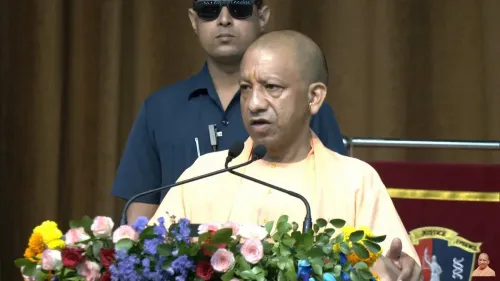
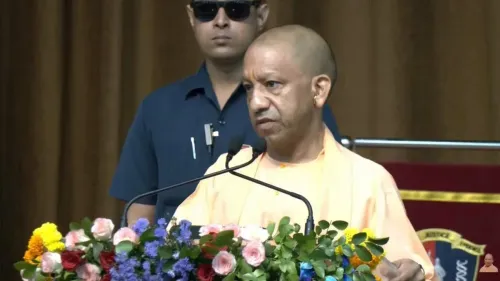
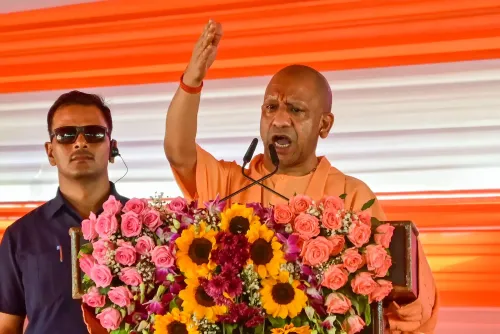
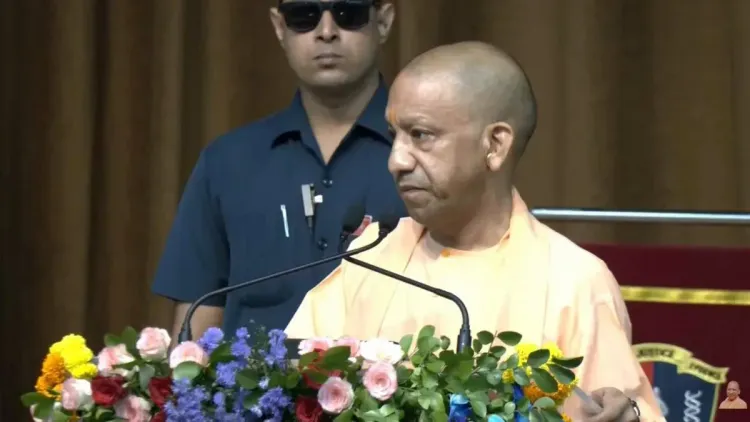
No criminal will escape. No victim will wait decades for justice. The era of endless court dates is over. Uttar Pradesh Chief Minister Yogi Adityanath posted those three declarations on X on Saturday, 24 October 2026, framing them not as aspirations but as accomplished facts — a pointed signal that the state's criminal-justice machinery is shifting into a new gear.
In Hindi, the post reads: 'Ab koi apradhi bachkar nahin ja sakta... kisi ko dashakon tak nyay ki pratiksha nahin karni padegi... nyayalay mein tarikh par tarikh lagne ki parampara bhi band ho jayegi...' — 'Now no criminal can escape... no one will have to wait decades for justice... the tradition of date after date in court will also end.' Each ellipsis lands like a gavel.
The Law That Changed the Adjournment Game
The immediate legal backdrop is the Bharatiya Nagarik Suraksha Sanhita (BNSS), 2023, which Parliament enacted in December 2023 and brought into force from July 2024. The BNSS replaced the colonial-era Code of Criminal Procedure and introduced hard caps on adjournments, mandatory timelines for investigation, and binding deadlines for trial completion. It is the most sweeping overhaul of criminal procedure in independent India's history.
CM Yogi's framing maps almost word-for-word onto the BNSS's stated objectives — particularly its provisions curbing the 'tarikh pe tarikh' culture that has plagued Indian courts for generations. By invoking that exact phrase, the Chief Minister is signalling active implementation of the national framework at the state level, not merely endorsement from a distance.
UP's Fast-Track Court Expansion as Proof of Intent
Uttar Pradesh did not wait for the BNSS to begin. Between 2018 and 2023, the state government expanded its network of Fast Track Courts — specialised benches designed to expedite trials in serious criminal cases, particularly those under the POCSO Act and sexual-offence provisions. The expansion included e-court infrastructure upgrades aimed at reducing physical paperwork and hearing delays.
High case pendency is a chronic national wound: millions of undertrial prisoners sit in jails, crime victims wait years for verdicts, and the sheer volume of pending cases has long been cited as a structural failure of governance. Yogi Adityanath has made judicial speed a signature law-and-order talking point since taking office in 2017, and Saturday's post is the latest chapter in that sustained political narrative.
What the Numbers Will Have to Prove
Bold declarations invite accountability. The real test will arrive in quarterly case-disposal reports from Uttar Pradesh district courts — whether trial completion rates rise, adjournment counts fall, and undertrial populations shrink. Analysts and civil-society groups tracking judicial reform will be watching for any new state notifications on additional fast-track benches or digital-filing mandates that could operationalise the rhetoric.
A Chief Minister who stakes his governance identity on law and order has now staked it, in three crisp sentences, on the speed of justice itself. The courts will have the final word.
Point of View
He taps into a grievance that cuts across class and caste, broadening the political appeal of what is essentially a procedural reform. The declaration also serves as pre-emptive credit-claiming: if disposal rates improve in UP, the Chief Minister will have a ready narrative; if they do not, the gap between rhetoric and data will be a line of attack for the opposition. For the broader judicial-reform arc, the post reflects how state executives are increasingly using social media to drive implementation pressure on district judiciaries.
NationPress
24 Oct 2026
Frequently Asked Questions
What did CM Yogi Adityanath say about criminal justice on X?
He declared that no criminal will be able to escape, no one will wait decades for justice, and the tradition of repeated court adjournments will end — framing these as outcomes already in motion under current reforms.
What is the Bharatiya Nagarik Suraksha Sanhita and how does it reduce court delays?
The BNSS 2023, which replaced the colonial Code of Criminal Procedure and came into force in July 2024, introduces hard caps on adjournments, mandatory investigation timelines, and binding trial-completion deadlines to speed up criminal cases.
What are Fast Track Courts in Uttar Pradesh?
Fast Track Courts are specialised benches set up to expedite trials in serious criminal cases — especially POCSO and sexual-offence matters. Uttar Pradesh expanded its network significantly between 2018 and 2023.
What does 'tarikh pe tarikh' mean in the context of Indian courts?
'Tarikh pe tarikh' literally means 'date after date' and refers to the long-standing practice of repeated adjournments in Indian courts that stretch trials over years or even decades, denying timely justice to victims.
How will UP's criminal-justice reforms be measured going forward?
Key indicators will include quarterly case-disposal rates from Uttar Pradesh district courts, reductions in adjournment frequency, changes in undertrial prisoner populations, and any new state notifications expanding fast-track benches or digital filing systems.