CM Yogi calls UP Forensic Science Institute shield of Rule of Law
Synopsis
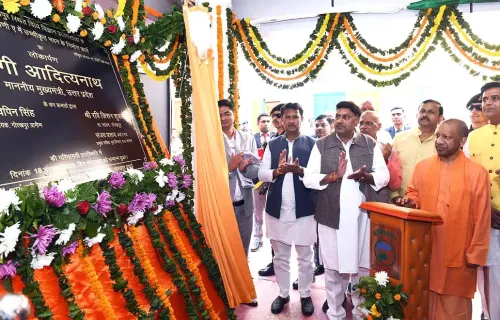
CM Yogi Adityanath described the UP State Forensic Science Institute as an 'intellectual and scientific shield of Rule of Law in New India,' underscoring the state's push to embed mandatory forensic investigation — required under the 2023 Bharatiya Nagarik Suraksha Sanhita — into its criminal justice system.
Key Takeaways
CM Yogi Adityanath called the UP State Forensic Science Institute a 'raksha kavach' — an intellectual and scientific shield — of the Rule of Law in New India.
The Bharatiya Nagarik Suraksha Sanhita (2023) made forensic investigation mandatory in serious offences, elevating state forensic labs to frontline criminal justice institutions.
Uttar Pradesh has been expanding forensic infrastructure and officer training under the Adityanath government as part of a broader police modernisation drive.
The institute directly supports police investigators and the judiciary through scientific evidence analysis in criminal cases.
District-level forensic lab rollouts and training modules tied to the new criminal laws remain the key indicators to watch for implementation progress.
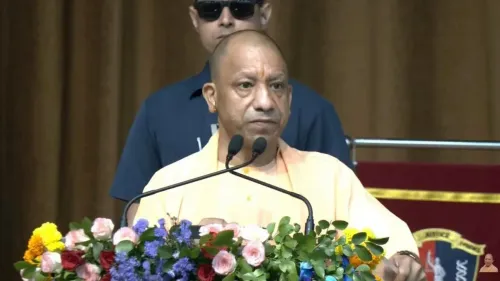
In a state where conviction rates have long been a pressure point for the justice system, Uttar Pradesh Chief Minister Yogi Adityanath has cast the Uttar Pradesh State Forensic Science Institute as nothing less than the intellectual and scientific armour of the rule of law in a 'New India' — a framing that signals how seriously his government is betting on forensic infrastructure to transform criminal justice outcomes.
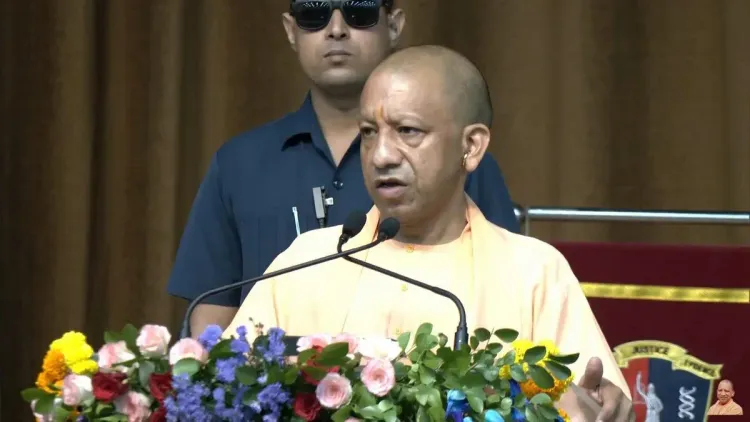
Posting on Saturday, 24 October 2026, the Chief Minister wrote: 'Uttar Pradesh Rajya Forensic Vigyan Sansthan, 'Naye Bharat' mein Rule of Law ka ek bauddhik aur vaigyanik raksha kavach hai...' — describing the institute as 'an intellectual and scientific protective shield of the Rule of Law in New India.' The choice of words — raksha kavach, meaning a defensive armour — is deliberate and pointed.
Why forensic science is now a legal mandate, not an option
The backdrop matters enormously here. In 2023, the central government enacted the Bharatiya Nagarik Suraksha Sanhita, which made forensic investigation mandatory in serious offences — a structural shift that overnight elevated state forensic labs from support units to frontline institutions. Without adequate forensic capacity, prosecutions in major cases can stall before they begin.
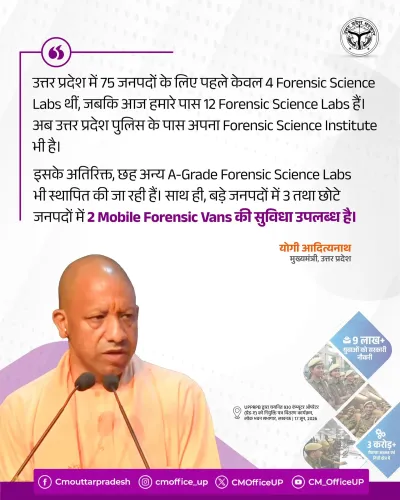
That legal mandate created both an obligation and an opportunity for states. Uttar Pradesh, India's most populous state and one with a historically strained criminal justice pipeline, has responded by expanding forensic infrastructure and training under the Adityanath government. The logic is direct: better evidence collection means stronger prosecutions, stronger prosecutions mean higher conviction rates, and higher conviction rates mean a credible deterrent.
Scientific policing as a governance signature
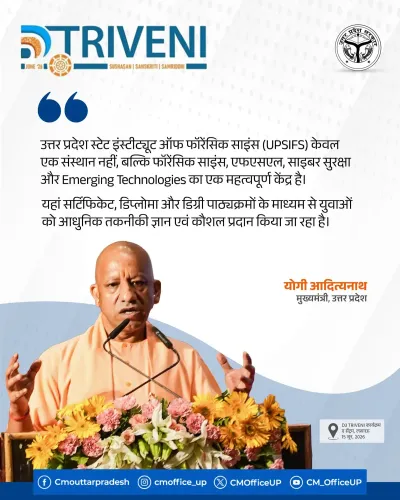
The UP State Forensic Science Institute sits at the centre of this push. It supports scientific investigation and evidence analysis for criminal cases across the state — work that feeds directly into the hands of police investigators and the judiciary. Expanding its capacity and reach is part of a broader police modernisation drive that the Adityanath administration has made a visible governance priority.
The pattern is consistent: district-level forensic lab expansion, officer training modules aligned with the new criminal laws, and a public communications strategy that frames scientific policing as a law-and-order achievement. CM Yogi's post is the latest signal in that campaign — but the institutional work behind it has been years in the making.
What to watch next: whether further district-level forensic lab notifications and training rollouts tied to the Bharatiya Nagarik Suraksha Sanhita's mandatory forensic provisions follow in the coming months — that will be the real measure of whether the armour holds.
Point of View
The post positions UP as a model implementer of national criminal justice reform rather than a passive recipient. For a state where police credibility has historically been contested, anchoring conviction rates to scientific evidence — rather than confessions or witness testimony alone — represents a meaningful institutional shift. The real test will be whether district-level capacity catches up with the ambition the rhetoric projects.
NationPress
24 Oct 2026
Frequently Asked Questions
What is the UP State Forensic Science Institute?
The Uttar Pradesh State Forensic Science Institute is a state-level body that provides scientific investigation support and forensic evidence analysis for criminal cases, directly assisting police and the judiciary across Uttar Pradesh.
Why did CM Yogi call the forensic institute a 'raksha kavach'?
CM Yogi used the term 'raksha kavach' — meaning protective shield — to emphasise the institute's role in strengthening the Rule of Law through scientific evidence, framing forensic capacity as a defence of justice in 'New India.'
What is the Bharatiya Nagarik Suraksha Sanhita and how does it relate to forensic science?
The Bharatiya Nagarik Suraksha Sanhita, enacted by the central government in 2023, replaced earlier criminal procedure law and made forensic investigation mandatory in serious offences, making state forensic labs essential to prosecution.
How has Uttar Pradesh expanded its forensic infrastructure under Yogi Adityanath?
Under CM Yogi, UP has worked to expand forensic lab capacity and officer training to improve conviction rates through scientific evidence, aligned with the national push for evidence-based policing after the 2023 criminal law reforms.
What should we watch for next in UP's forensic science push?
Key developments to follow include district-level forensic lab notifications and training modules tied to the mandatory forensic provisions of the Bharatiya Nagarik Suraksha Sanhita, which will indicate how far the expansion reaches beyond state headquarters.