CM Yogi Stresses Sapling Protection in UP Tree Drive
Synopsis
Uttar Pradesh Chief Minister Yogi Adityanath on 6 July 2026 stressed that tree plantation drives must include firm protection measures for saplings, reinforcing the state's annual Vriksharopan programme ahead of the monsoon season and aligning with India's Green India Mission targets.
Key Takeaways
UP CM Yogi Adityanath on 6 July 2026 publicly directed that sapling protection must accompany every tree plantation activity in the state.
Uttar Pradesh has conducted annual Vriksharopan plantation drives every year since 2017 , planting several crore saplings across districts.
Official reviews of earlier drives have repeatedly flagged poor sapling survival rates due to inadequate fencing, watering, and follow-up care.
The directive involves key implementing bodies: the UP Forest Department , district administrations, and urban local bodies .
The state's plantation programme is aligned with India's Green India Mission , which measures success by survival rate, not just planting numbers.
Sapling survival-rate data from the 2026 monsoon cycle will be the critical indicator of whether the directive produces measurable change.
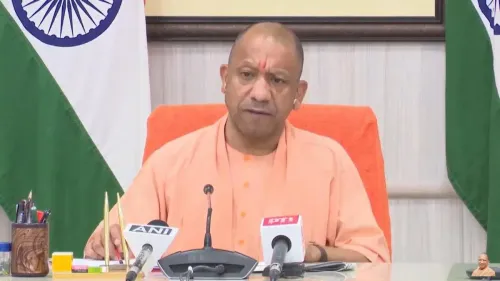
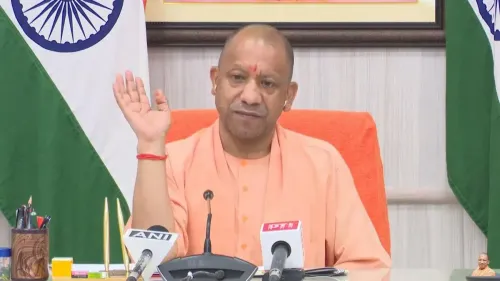
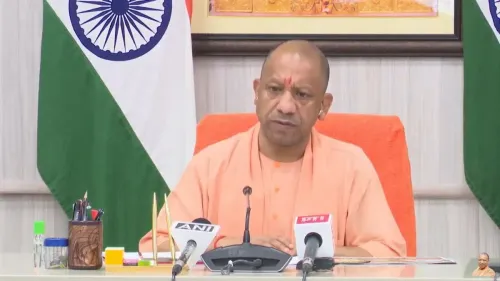
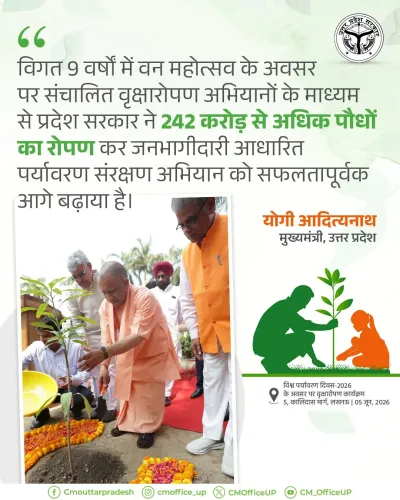
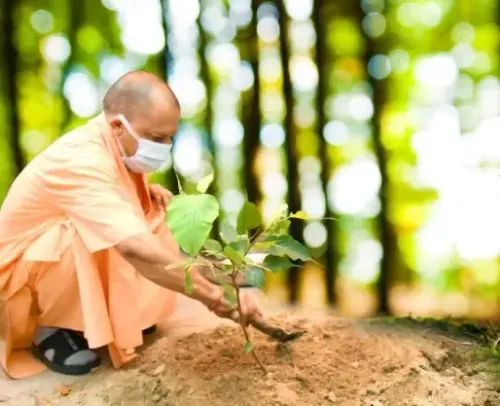
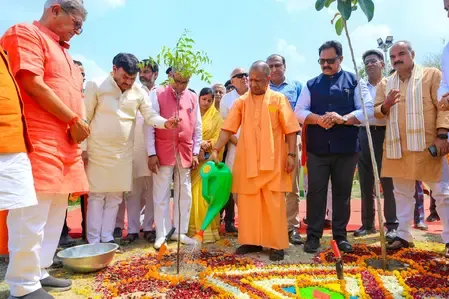
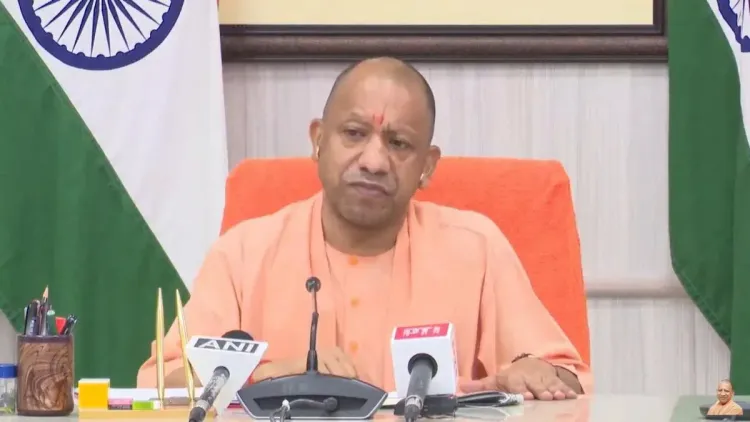
Uttar Pradesh Chief Minister Yogi Adityanath on Monday, 6 July 2026 called for robust protection measures to accompany tree plantation drives across the state, posting a pointed directive on X that sapling survival must be treated as seriously as the act of planting itself.
In the Hindi post, the Chief Minister stated: 'Ped lagate samay unki suraksha ki pukhta vyavastha ho' — meaning 'When planting trees, there must be a firm arrangement for their protection.' The message signals a shift in official emphasis from headline planting numbers to the harder, longer-term challenge of ensuring saplings actually survive.
Context
The post arrives at the start of the 2026 monsoon season, the period when Uttar Pradesh traditionally rolls out its annual Vriksharopan (tree plantation) programme. Since 2017, the state government has conducted these drives every year, planting several crore saplings across districts with participation from the forest department, urban local bodies, and local communities.
Despite impressive planting tallies in successive years, official reviews have repeatedly flagged a persistent gap: a significant share of saplings do not survive beyond the first dry season due to inadequate fencing, watering, and follow-up care. The Chief Minister's latest directive directly addresses this weak link.
Policy Backdrop
Uttar Pradesh's plantation campaigns are aligned with India's Green India Mission, a national framework that sets targets for expanding and improving forest and tree cover. The mission recognises that survival rate — not just the number of saplings planted — is the true measure of green-cover gain.
State-level reviews in earlier cycles have prompted orders on protective measures such as tree guards, drip-irrigation pilots, and community-level monitoring. Adityanath's 6 July statement reinforces that this accountability framework remains a live priority heading into the current monsoon cycle.
Stakeholders and Impact
The directive has direct implications for the Uttar Pradesh Forest Department, district administrations, and urban local bodies, all of which are responsible for executing plantation targets and maintaining newly planted saplings. Community volunteers and self-help groups enrolled in earlier drives are also key to on-the-ground protection.
For local communities — particularly in rural and peri-urban areas — better-protected plantations translate into long-term benefits including shade, reduced soil erosion, and improved air quality. The emphasis on protection infrastructure could also direct procurement and budget allocations toward tree guards, fencing material, and watering mechanisms at the district level.
What's Next
The key metric to watch over the coming months will be sapling survival-rate data from the 2026 monsoon plantation cycle. Any new state orders specifying mandatory fencing, watering schedules, or geo-tagged monitoring of planted saplings would indicate that the Chief Minister's post has translated into administrative action.
With Uttar Pradesh among India's most populous and agriculturally stressed states, sustained improvement in green cover depends not on a single season's planting drive but on the institutional machinery built to protect what is planted — precisely the concern Adityanath has now placed on the public record.
Point of View
He is implicitly acknowledging a well-documented implementation failure in earlier drives — a rare instance of a sitting chief minister publicly flagging a gap in his own government's programme. This fits a broader pattern in which the Uttar Pradesh administration has moved from announcing schemes to auditing their delivery. The statement also positions the state government ahead of any criticism that crore-sapling targets are performative, by tying accountability to survival rather than just sowing.
NationPress
7 Jul 2026
Frequently Asked Questions
What did CM Yogi Adityanath say about tree plantation in July 2026?
On 6 July 2026, Yogi Adityanath posted on X that whenever trees are planted, there must be a firm arrangement for their protection — stressing sapling survival as a core part of the plantation drive.
What is the Uttar Pradesh Vriksharopan programme?
The Vriksharopan programme is Uttar Pradesh's annual tree plantation drive, conducted every monsoon season since 2017, involving the forest department, urban local bodies, and local communities planting several crore saplings across districts.
Why do saplings fail to survive in UP plantation drives?
Official reviews have identified inadequate fencing, irregular watering, and lack of follow-up monitoring as the main reasons saplings do not survive beyond the first dry season after planting.
How does UP's tree plantation drive connect to India's Green India Mission?
Uttar Pradesh's annual plantation campaigns are aligned with the national Green India Mission, which sets targets for expanding forest and tree cover and measures success by sapling survival rates, not just the number planted.
What should be watched after CM Yogi's sapling protection directive?
The key indicator will be sapling survival-rate data from the 2026 monsoon plantation cycle, along with any new state orders on mandatory tree guards, fencing, or geo-tagged monitoring of newly planted saplings.