CM Yogi Targets Congress, SP Over Faith and Saffron
Synopsis
Uttar Pradesh Chief Minister Yogi Adityanath on 17 July 2026 accused Congress and the Samajwadi Party of opportunism, claiming that parties once hostile to saffron — a symbol of Hindu identity — are now projecting themselves as defenders of religious faith, sharpening the BJP's political offensive ahead of the 2027 UP elections.
Key Takeaways
Yogi Adityanath posted on 17 July 2026 accusing Congress and Samajwadi Party of hypocrisy on religious faith.
He alleged both parties historically held an aversion to saffron ( kesariya ), a colour central to Hindu identity.
The post comes ahead of the 2027 Uttar Pradesh assembly elections , a high-stakes contest for all parties.
BJP has governed Uttar Pradesh since 2017 on a platform that prominently features Hindu cultural identity.
The Ram Janmabhoomi verdict of 2019 and subsequent Ayodhya Ram Temple construction form a key backdrop to BJP's faith-based electoral narrative.
Responses from Congress and SP spokespersons are awaited and could shape the early contours of the 2027 campaign.
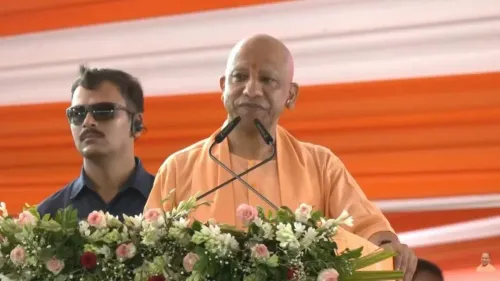
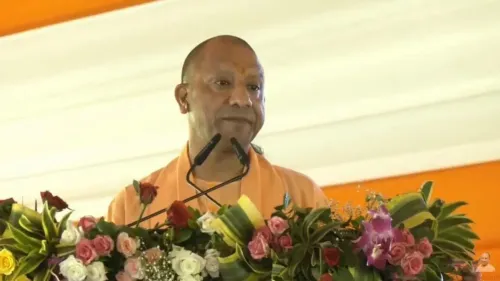
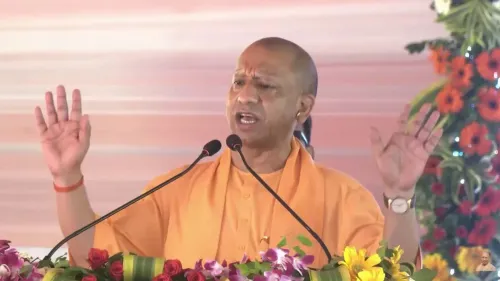
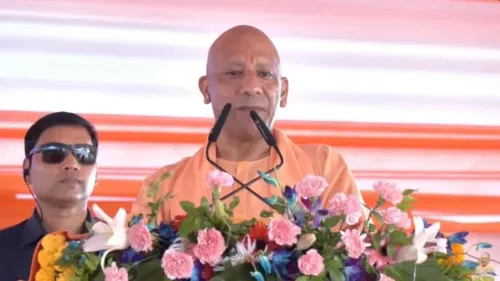
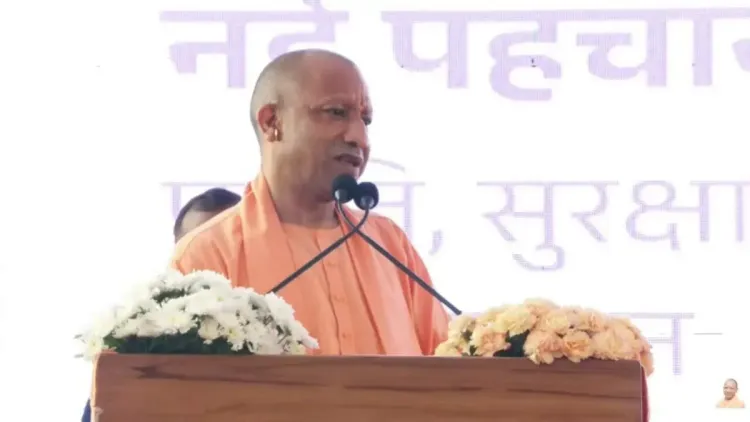
Uttar Pradesh Chief Minister Yogi Adityanath on Friday, 17 July 2026, launched a sharp political attack on the Indian National Congress and the Samajwadi Party, accusing both opposition parties of opportunism on matters of religious faith. In a post on X, he alleged that the two parties, which once harboured an aversion to saffron — a colour central to Hindu identity — are now projecting themselves as champions of religious devotion.
The Chief Minister wrote in Hindi: 'Kaangres aur Samajwadi Party aaj aastha ki baat kar rahi hain... inko kesariya rang se hi chidh hoti thi...' — translated as: 'Congress and the Samajwadi Party are today talking about faith... they always had an aversion to the saffron colour...'
Context
The post arrives amid the political heat building ahead of the 2027 Uttar Pradesh assembly elections. Both Congress and the Samajwadi Party have, in recent months, made visible overtures toward Hindu voters, with leaders attending temple events and invoking religious sentiment in public messaging. Yogi Adityanath is framing this as a tactical and insincere shift, contrasting it with what he describes as their historical discomfort with overt Hindu symbolism.
Saffron — kesariya — occupies a charged place in Indian political discourse. It is the colour of Hindu asceticism and nationalism, and has long been associated visually with the Bharatiya Janata Party and the broader Hindutva ecosystem. Accusations of 'saffron-phobia' against opposition parties are a recurring BJP rhetorical device, particularly in election cycles.
Policy Backdrop
Since taking office as Chief Minister in 2017, Yogi Adityanath has consistently positioned the BJP's governance in Uttar Pradesh around Hindu cultural identity — from renaming cities to prioritising religious infrastructure. The 2019 Supreme Court verdict on the Ram Janmabhoomi case, which paved the way for the construction of the Ayodhya Ram Temple, became a defining milestone that the BJP has used to draw a contrast with what it characterises as the Congress-led opposition's decades of ambivalence on the issue.
The Samajwadi Party, led by Akhilesh Yadav, and the Congress have both faced sustained BJP criticism for what the ruling party describes as minority-first politics at the expense of Hindu religious expression. Yogi Adityanath's post reinforces this long-running narrative as the electoral calendar draws closer.
Stakeholders and Impact
Hindu voters in Uttar Pradesh — the state with the largest number of Lok Sabha seats — remain the primary audience for this kind of messaging. The BJP's electoral dominance in the state since 2017 has been built substantially on consolidating this demographic. By questioning the sincerity of Congress and SP's religious outreach, Yogi Adityanath is seeking to pre-empt any erosion of that base.
For the opposition, the post presents a challenge: any response risks either validating the BJP's framing or appearing defensive about their own relationship with Hindu symbolism. Congress and SP spokespersons are expected to push back, but the terms of the debate — faith, saffron, and authenticity — have been set by the Chief Minister.
What's Next
With the 2027 Uttar Pradesh assembly elections on the horizon, this exchange is likely to be one of many skirmishes over religious identity and political credibility. How Congress and the Samajwadi Party respond — and whether they choose to contest the saffron narrative or sidestep it — will offer an early signal of their campaign strategy. The intensity of this rhetoric suggests that faith and Hindu symbolism will remain central fault lines in Uttar Pradesh politics through the next election cycle.
Point of View
The battle over who can authentically claim proximity to Hindu faith is set to intensify.
NationPress
17 Jul 2026
Frequently Asked Questions
What did CM Yogi Adityanath say about Congress and SP on 17 July 2026?
He accused both Congress and the Samajwadi Party of hypocrisy, claiming that parties which once had an aversion to saffron — a symbol of Hindu identity — are now talking about religious faith for political gain.
Why is saffron politically significant in Uttar Pradesh?
Saffron is closely associated with Hindu religious tradition and the BJP's political identity. In UP politics, it has become a shorthand for Hindu nationalist governance, and accusations of 'saffron-phobia' are frequently used by the BJP against opposition parties.
Is this related to the 2027 UP assembly elections?
While no election date has been announced, political observers see this kind of rhetoric as part of early campaigning ahead of the 2027 Uttar Pradesh assembly elections, in which religious identity is expected to be a key battleground.
What is Yogi Adityanath's political background?
Yogi Adityanath has served as Chief Minister of Uttar Pradesh since 2017 and is a senior BJP leader. He is also the head of the Gorakhnath Math, a prominent Hindu religious institution in Gorakhpur.
How have Congress and SP responded to Yogi Adityanath's remarks?
As of the time of publication, formal responses from Congress and Samajwadi Party spokespersons are awaited. Their reply is expected to clarify how the opposition intends to handle BJP's faith-based political offensive ahead of 2027.