CM Majhi Hails Ratha Yatra as Devotees Throng Bada Danda
Synopsis
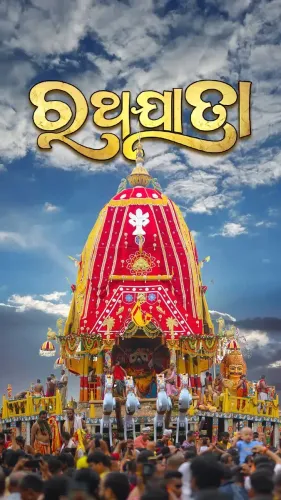
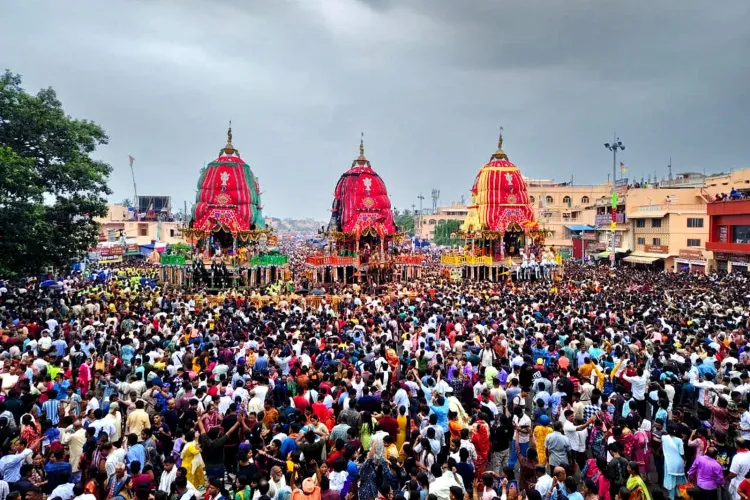
Odisha Chief Minister Mohan Charan Majhi marked the sacred moment of the 2026 Ratha Yatra in Puri, sharing images of the Chaturdha Murti granting darshan from atop their chariots on Bada Danda before entering the Gundicha Temple, calling it an extraordinary confluence of devotee and deity.
Key Takeaways
Odisha Chief Minister Mohan Charan Majhi posted images from the Ratha Yatra in Puri on 17 July 2026 .
The Chaturdha Murti — Lord Jagannath, Balabhadra, Subhadra, and Sudarshana — were shown granting darshan from their chariots in front of the Gundicha Temple .
The moment captured was just before the deities entered the Adapa Mandapa , considered one of the most auspicious points of the festival.
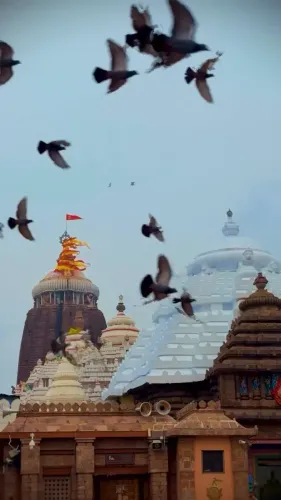
The procession travels along Bada Danda , the grand avenue connecting the Jagannath Temple to the Gundicha Temple in Puri .
The Bahuda Yatra return procession will mark the formal end of the Ratha Yatra cycle.
The Shree Jagannath Temple Administration , under state oversight, coordinates security and logistics for the festival annually.
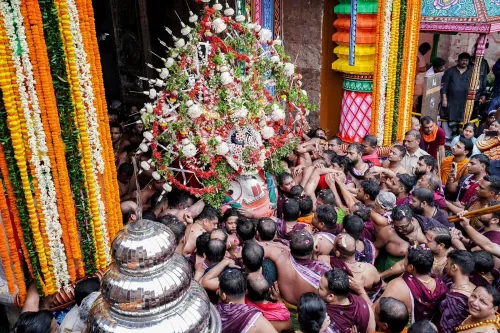
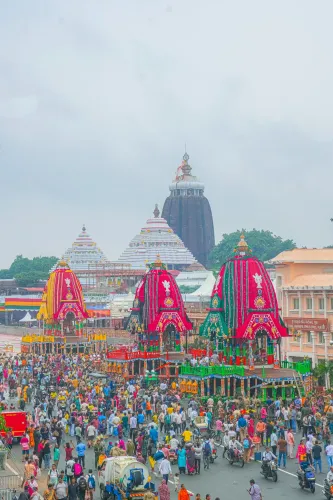
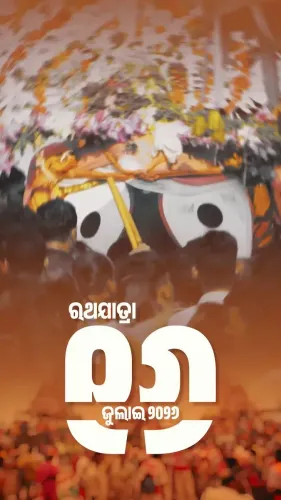
Odisha Chief Minister Mohan Charan Majhi on Friday, 17 July 2026, shared images from the ongoing Ratha Yatra in Puri, describing the sacred moment when the Chaturdha Murti — the four principal deities of Shrikhetra — granted darshan to devotees from across the world from atop their chariots in front of the Gundicha Temple on Bada Danda.
Posting in Odia with the hashtags #RathaYatra and #JaiJagannath, the Chief Minister described the scene as 'ଭକ୍ତ ଓ ଭଗବାନଙ୍କ ଅପୂର୍ବ ମହାମିଳନ' — an 'extraordinary confluence of devotee and deity' — and noted the atmosphere of devotion on Bada Danda just before the deities were to enter the Adapa Mandapa, the outer pavilion of the Gundicha Temple.
Context
The Ratha Yatra is the annual chariot procession of Lord Jagannath, Balabhadra, Subhadra, and Sudarshana — collectively the Chaturdha Murti — from the 12th-century Jagannath Temple in Puri to the Gundicha Temple, approximately three kilometres away along the grand avenue known as Bada Danda. The festival draws millions of pilgrims and is considered one of the largest religious gatherings in India. The deities remain at the Gundicha Temple for several days before returning in the Bahuda Yatra procession.
Policy Backdrop
The Shree Jagannath Temple Administration, which functions under state government oversight, coordinates logistics, security, sanitation, and crowd management for the festival each year alongside the district administration. Successive Odisha governments have treated the Ratha Yatra as a flagship cultural and administrative responsibility. Chief Minister Majhi, who took office in June 2024 after the BJP's assembly election victory, has continued this tradition of active state engagement with the festival.
State leaders routinely issue public communications during the Ratha Yatra to signal cultural continuity and administrative attentiveness. The practice reflects a broader pattern in which political leadership in Odisha aligns itself with the state's most prominent religious event.
Stakeholders and Impact
The Ratha Yatra draws devotees not only from across India but also from abroad, making Puri one of the country's most significant pilgrimage destinations during the festival period. Bada Danda, the ceremonial avenue, becomes the focal point for lakhs of worshippers seeking a glimpse — or darshan — of the deities on the chariots. Residents of Puri, local traders, and the broader tourism ecosystem of Odisha are directly affected by the scale and conduct of the festival.
The moment highlighted by the Chief Minister — the deities positioned atop their chariots before entering the Adapa Mandapa — is considered among the most auspicious of the entire Ratha Yatra cycle, when devotees believe the deities are most accessible to all, regardless of caste or creed.
What's Next
Following their stay at the Gundicha Temple, the deities are expected to return to the Jagannath Temple in the Bahuda Yatra, the return chariot procession, which marks the formal conclusion of the Ratha Yatra cycle. State authorities are likely to conduct a post-festival review of crowd management, sanitation, and security arrangements, as is customary after a gathering of this scale in Puri.
Point of View
Active engagement with the Jagannath tradition carries both devotional and political resonance. The post signals continuity of state support for the festival rather than any new policy departure. Attention will turn to how the administration handles the logistical close-out of the festival and the Bahuda Yatra return procession.
NationPress
17 Jul 2026
Frequently Asked Questions
What is Ratha Yatra and where is it held?
Ratha Yatra is the annual chariot procession of Lord Jagannath and the Chaturdha Murti deities, held in Puri, Odisha, along the grand avenue Bada Danda from the Jagannath Temple to the Gundicha Temple.
What did Odisha CM Mohan Majhi say about Ratha Yatra 2026?
CM Mohan Charan Majhi described the occasion as an extraordinary confluence of devotee and deity, sharing images of the Chaturdha Murti granting darshan from their chariots in front of the Gundicha Temple on Bada Danda.
What is the Adapa Mandapa in the context of Ratha Yatra?
The Adapa Mandapa is the outer pavilion of the Gundicha Temple in Puri, where the deities enter after the chariot procession on Bada Danda during the Ratha Yatra.
What is Bahuda Yatra?
Bahuda Yatra is the return chariot procession in which the Chaturdha Murti travel back from the Gundicha Temple to the Jagannath Temple in Puri, marking the formal conclusion of the Ratha Yatra festival cycle.
Who manages the Ratha Yatra arrangements in Puri?
The Shree Jagannath Temple Administration, functioning under Odisha state government oversight, coordinates security, sanitation, and crowd management for the Ratha Yatra alongside the district administration.