CM Yogi Targets SP Over Extortion, Janmashtami Ban Claims
Synopsis
UP Chief Minister Yogi Adityanath accused the Samajwadi Party of running an extortion racket on government advertisements and banning Janmashtami celebrations during its rule, sharpening the BJP's political offensive against the SP in Uttar Pradesh.
Key Takeaways
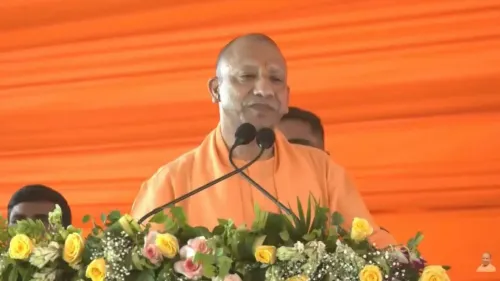
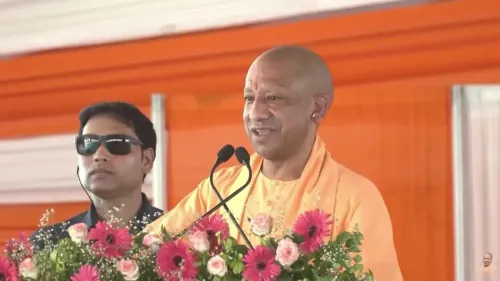
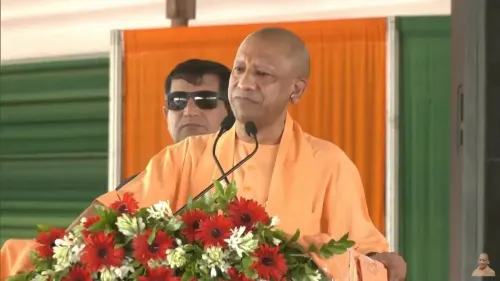
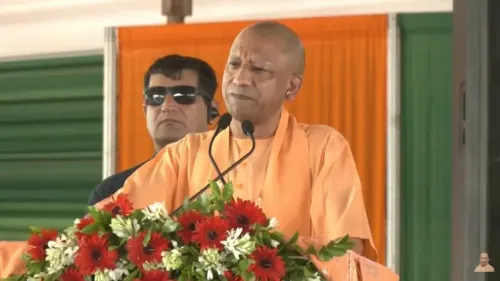
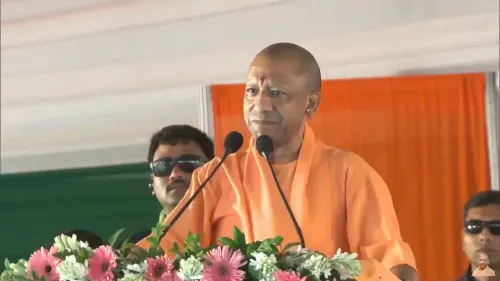
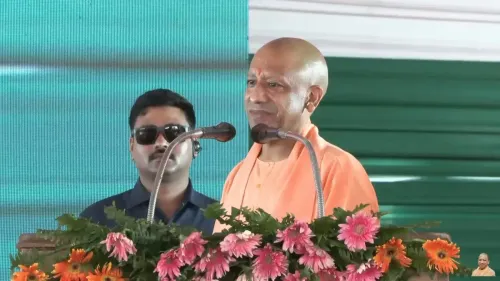
CM Yogi Adityanath posted on X on 30 June 2026 attacking the Samajwadi Party 's governance record in Uttar Pradesh .
He alleged that SP's 'uncle-nephew' leadership extracted money whenever government advertisements were issued.
He claimed the SP government banned Shri Krishna Janmashtami programmes, calling it an insult to cultural heritage.
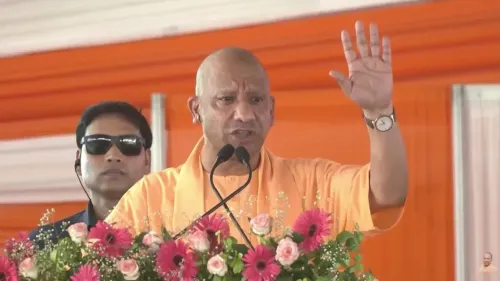
The post included a video and was written in Hindi, targeting the SP's legacy ahead of continued political mobilisation in the state.
The remarks reinforce two core BJP narratives: SP-era corruption and the curtailment of Hindu religious expression.
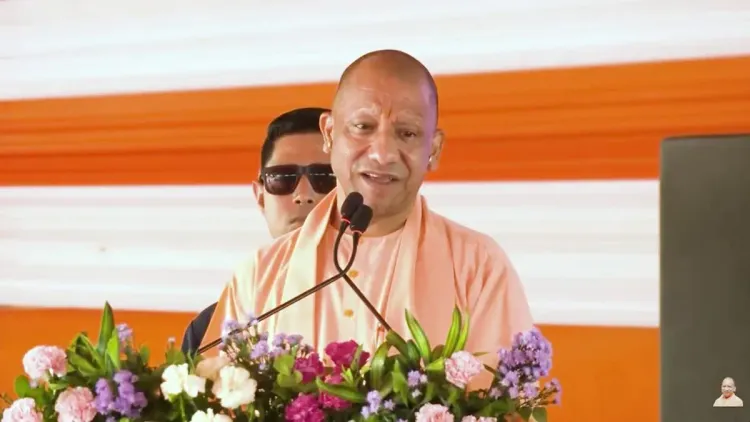
Uttar Pradesh Chief Minister Yogi Adityanath on Tuesday, 30 June 2026, launched a sharp attack on the Samajwadi Party, alleging that the previous SP government in Uttar Pradesh allowed extortion by party leaders and went so far as to ban celebrations of Shri Krishna Janmashtami, one of Hinduism's most significant festivals.
Context
CM Yogi posted on X in Hindi, stating: 'Koi sarkari vigyapan nikalta tha toh chacha-bhaanje ki jodi vasuli ke liye nikal padti thi' — roughly translated, 'Whenever a government advertisement was issued, the uncle-nephew duo would set out to collect their cut.' The remark is a pointed reference to the SP's top leadership, widely understood in Uttar Pradesh politics as an allusion to the party's founding family. He further alleged that under the SP government, Shri Krishna Janmashtami programmes were banned, calling it an insult to cultural and religious heritage.
The post, which also included a video, appears to be part of a broader political offensive by the ruling Bharatiya Janata Party (BJP) in the state ahead of ongoing political mobilisation ahead of the next assembly cycle.
Policy Backdrop
The 'chacha-bhaanje' ('uncle-nephew') phrase has long been used in Uttar Pradesh political discourse to describe the relationship between senior Samajwadi Party figures, particularly in the context of allegations of nepotism and rent-seeking during SP tenures in government. Accusations of extortion linked to government contracts and advertisements were a recurring theme in BJP's campaign messaging during the 2017 and 2022 Uttar Pradesh assembly elections.
The allegation regarding Janmashtami restrictions touches on a sensitive fault line in UP politics: the question of whether minority-appeasement politics led SP-era administrations to curtail Hindu religious public gatherings. CM Yogi and the BJP have consistently positioned themselves as restorers of cultural and religious freedom in the state since coming to power in 2017.
Stakeholders and Impact
The primary target of the remarks is the Samajwadi Party and its leadership. The SP has not yet issued a formal response to this specific post. For the BJP, such messaging reinforces two parallel narratives: administrative corruption under SP rule, and the party's credentials as a defender of Hindu religious practice.
Voters in Mathura, Vrindavan, and across the Braj region — where Janmashtami holds deep cultural significance — are a key audience for the second allegation. The extortion charge, meanwhile, speaks to a broader constituency of traders, contractors, and small businesses who interacted with state government processes during earlier SP tenures.
What's Next
The post signals that the BJP in Uttar Pradesh intends to keep the SP's governance record under sustained public scrutiny. As CM Yogi Adityanath consolidates his position at the Gorakhnath Math and within state politics, such targeted attacks on the opposition's legacy are likely to intensify, particularly around religiously significant dates on the calendar. The Samajwadi Party's response — and whether it chooses to engage or ignore these charges — will shape the next phase of the political conversation in Uttar Pradesh.
Point of View
He speaks to both the economic anxieties of small contractors and the cultural sensitivities of Hindu voters in the Braj belt. The 'chacha-bhaanje' framing is a deliberate personalisation of the attack, designed to make the allegation visceral rather than abstract. This pattern of sustained retrospective attacks on SP rule suggests the BJP views the opposition's past governance record as its most potent electoral liability going forward.
NationPress
30 Jun 2026
Frequently Asked Questions
What did CM Yogi Adityanath say about the Samajwadi Party?
CM Yogi alleged that SP's top leadership extracted money from government advertisement contracts and that the SP government had banned Shri Krishna Janmashtami celebrations, calling it an insult to India's cultural heritage.
Who is the 'chacha-bhaanje' reference aimed at?
The 'chacha-bhaanje' (uncle-nephew) phrase is widely understood in Uttar Pradesh politics as a reference to the Samajwadi Party's founding family leadership, used to allege nepotism and rent-seeking during SP-led governments.
Did the Samajwadi Party actually ban Janmashtami?
CM Yogi has alleged that Janmashtami programmes were banned under SP rule. No independent verification of this specific claim is available in the current research base; the SP has not publicly responded to this particular post.
Why is CM Yogi attacking the SP now?
The attack appears to be part of sustained BJP political messaging in Uttar Pradesh, aimed at keeping the SP's governance record under public scrutiny during an active period of political mobilisation in the state.
What is CM Yogi Adityanath's position in UP politics?
Yogi Adityanath is the Chief Minister of Uttar Pradesh and a senior BJP leader. He is also the head of the Gorakhnath Math in Gorakhpur, which gives him significant religious and political authority in the state.