CM Fadnavis Backs Maharashtra Freedom of Religion Bill 2026
Synopsis
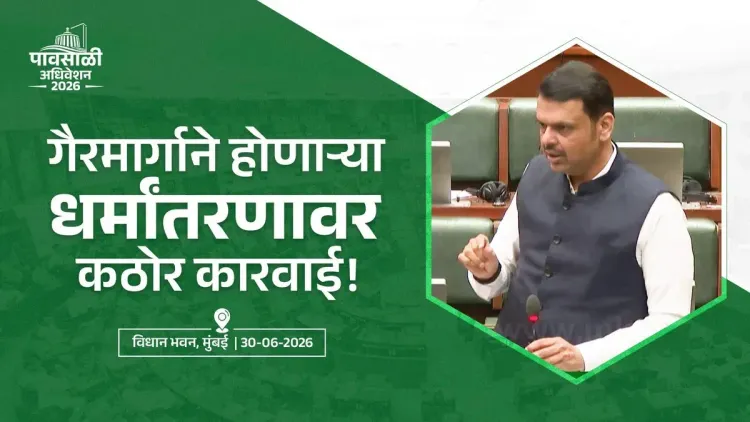
Maharashtra CM Devendra Fadnavis announced on June 30, 2026, that the Maharashtra Freedom of Religion Bill 2026 — aimed at curbing forced conversions — will come into force once the Central government grants its approval, with the announcement made at the Vidhan Sabha during the Monsoon Session.
Key Takeaways
Maharashtra Freedom of Religion Bill 2026 has been advanced by the state government and now awaits Central government assent to become law.
CM Devendra Fadnavis made the announcement from the Maharashtra Vidhan Sabha, Mumbai on June 30, 2026 , during the Monsoon Session 2026 .
The Bill targets malpractices including forced conversions , with provisions for strict legal penalties once enacted.
Maharashtra would join several BJP-governed states — including Uttar Pradesh , Madhya Pradesh , and Gujarat — that have enacted similar freedom of religion statutes.
The Bill's constitutional validity is expected to face scrutiny in courts, given questions around Article 25 of the Indian Constitution.
The Centre's decision on assent will be the single most consequential factor determining when and whether the law comes into force.
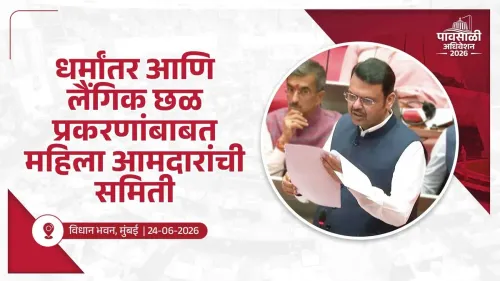
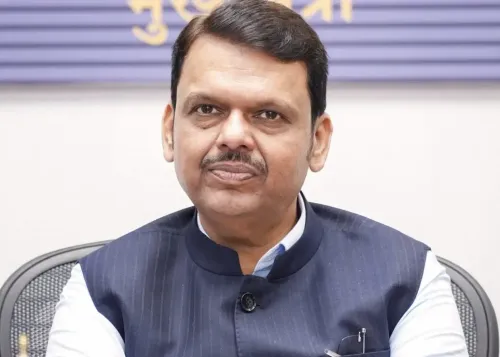
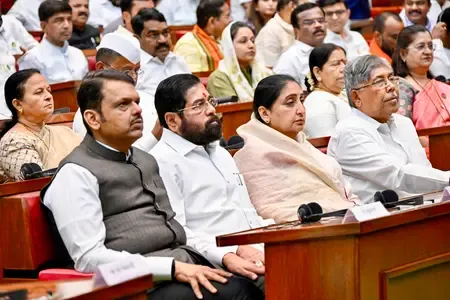
Maharashtra Chief Minister Devendra Fadnavis on Tuesday, June 30, 2026, declared that the Maharashtra Freedom of Religion Bill 2026, once cleared by the Central government, will enable strict legal action against forced conversions and related malpractices. The announcement was made from the Maharashtra Vidhan Sabha in Mumbai during the ongoing Monsoon Session 2026.
Context
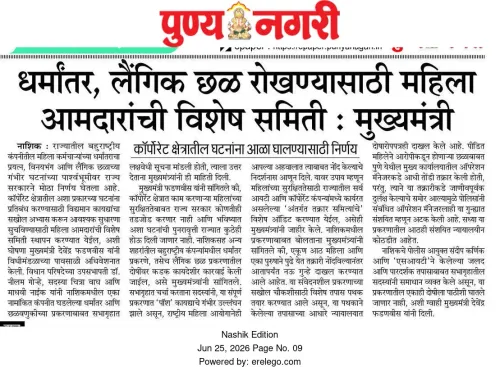
Fadnavis posted in both English and Marathi, stating: 'महाराष्ट्र धर्म स्वातंत्र्य विधेयक 2026 ला केंद्र सरकारची मंजुरी मिळाल्यास धर्मांतरणासारख्या गैरप्रकारांवर कठोर कायदेशीर कारवाईचा मार्ग मोकळा होईल' [Once the Maharashtra Freedom of Religion Bill 2026 receives Central government approval, the path for strict legal action against malpractices like forced conversions will be cleared]. The statement signals that the Maharashtra government has passed or is advancing the Bill at the state level, with Central assent now the critical next step.
Under the Indian constitutional framework, legislation touching on religious matters can require Presidential or Central government assent before it comes into force, particularly when it intersects with subjects in the Concurrent List. The Chief Minister's framing indicates the Bill is positioned as a protective measure for religious freedom rather than a restriction on it.
Policy Backdrop
Several Indian states — including Uttar Pradesh, Madhya Pradesh, Gujarat, Himachal Pradesh, and Odisha — have enacted anti-conversion or freedom of religion laws over the past two decades, with varying provisions on penalties, consent requirements, and prior-notice obligations. These laws have been the subject of sustained legal scrutiny in Indian courts, with debates centring on the balance between the right to freely profess and propagate religion under Article 25 of the Constitution and state power to regulate 'public order'.
Maharashtra had not previously enacted a standalone anti-conversion statute, making the Maharashtra Freedom of Religion Bill 2026 a significant legislative development for the state. The BJP-led Mahayuti alliance, which holds power in Maharashtra, has made the Bill part of its legislative agenda during the Monsoon Session 2026.
Stakeholders and Impact
If enacted and upheld, the law would affect religious organisations, missionaries, and individuals involved in conversion activities across Maharashtra, a state with a population of over 12 crore. Proponents argue it will protect vulnerable communities — particularly those from economically weaker sections — from coercive or fraudulent inducements to change religion. Critics and civil liberties groups have historically argued that such laws risk being misused to target minority communities and interfere with constitutionally protected religious freedoms.
The requirement for Central government approval means the Bill's fate now rests with New Delhi, adding a federal dimension to what began as a state legislative exercise. The Central government's decision will be closely watched by religious groups, legal experts, and opposition parties alike.
What's Next
The Bill will be forwarded to the Centre for review and assent. Legal challenges before the Bombay High Court or the Supreme Court of India are widely anticipated once the law moves toward enforcement, given the constitutional questions it raises. The Monsoon Session 2026 of the Maharashtra legislature is expected to see further debate on related legislation and implementation frameworks.
How swiftly the Central government acts on the assent request — and whether it returns the Bill with recommendations or approves it outright — will determine the timeline for the law's commencement, making the Centre's response the most consequential next development to watch.
Point of View
Aligning Maharashtra with a broader pattern of BJP-governed states enacting anti-conversion statutes. By explicitly conditioning the law's effect on Central assent, Fadnavis is also signalling federal coordination with New Delhi — a move that insulates the state government from sole accountability while keeping the political messaging intact. The Bill is likely to sharpen the opposition's counter-narrative around minority rights ahead of future electoral cycles in Maharashtra, making the legislative journey as politically significant as the legal one.
NationPress
29 Sept 2026
Frequently Asked Questions
What is the Maharashtra Freedom of Religion Bill 2026?
The Maharashtra Freedom of Religion Bill 2026 is a state legislation advanced by the BJP-led Maharashtra government that aims to impose strict legal penalties on malpractices such as forced religious conversions. It requires Central government assent before it can come into force.
Why does the Maharashtra religion bill need Central government approval?
Under India's constitutional framework, certain state bills — particularly those touching on subjects in the Concurrent List or involving significant questions of fundamental rights — require the President's or Central government's assent before they can be enacted into law.
Which other states have anti-conversion laws in India?
States including Uttar Pradesh , Madhya Pradesh , Gujarat , Himachal Pradesh , and Odisha have enacted freedom of religion or anti-conversion laws. Maharashtra, if the Bill receives Central assent, would join this group.
What did CM Devendra Fadnavis say about the religion bill?
CM Devendra Fadnavis stated on June 30, 2026 , that once the Maharashtra Freedom of Religion Bill 2026 is approved by the Centre, it will 'pave the way for strict legal action against malpractices like forced conversions.'
Can the Maharashtra Freedom of Religion Bill 2026 be challenged in court?
Yes. Anti-conversion laws in India have historically faced legal challenges on grounds of conflict with Article 25 of the Constitution, which guarantees the right to freely profess, practise, and propagate religion. The Bill is widely expected to face scrutiny in the Bombay High Court or the Supreme Court of India once it moves toward enforcement.