Maharashtra's Freedom of Religion Bill: A Step Towards Safeguarding Rights
Synopsis
Chief Minister Devendra Fadnavis clarifies that the Maharashtra Freedom of Religion Bill, 2026, is not aimed at any religion but seeks to prevent coercive conversions. This legislation mirrors similar laws in various states and emphasizes the constitutional rights of individuals to practice their faith without duress.
Key Takeaways
The Maharashtra Freedom of Religion Bill, 2026, aims to prevent coercive religious conversions.
It emphasizes the need for voluntary conversions verified by authorities.
Violations may lead to severe legal repercussions, including imprisonment.
The Bill applies equally to all religions, countering claims of bias.
Concerns about individual rights and safety have been raised by critics.
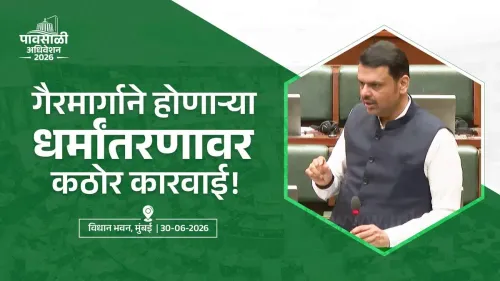
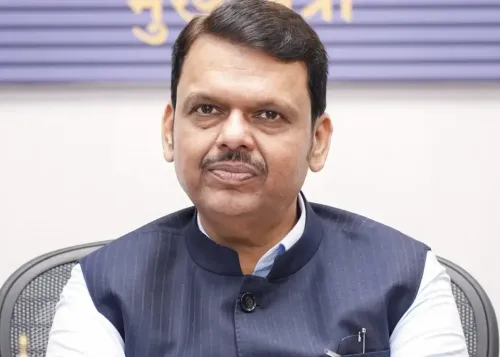
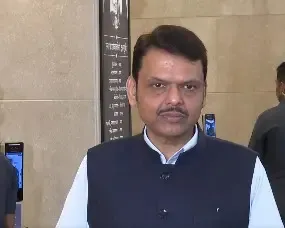
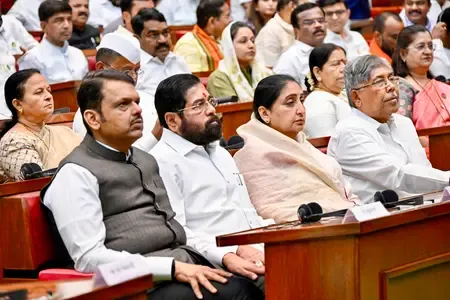
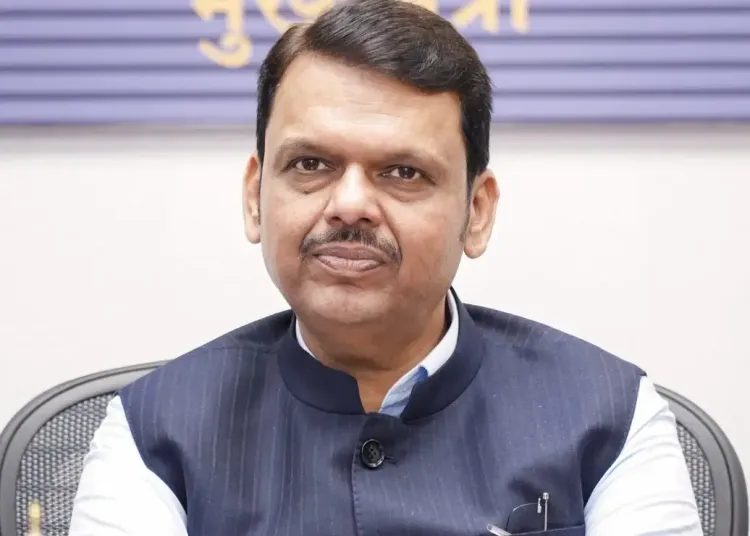
Mumbai, March 16 (NationPress) Chief Minister Devendra Fadnavis addressed the Legislative Assembly on Monday, asserting that the Maharashtra Freedom of Religion Bill, 2026 does not target any particular faith.
He underscored that the primary aim of this Bill is to thwart religious conversions conducted through coercion, deception, or inducement.
The Bill, known as the Maharashtra Freedom of Religion Act, 2026, was introduced in the assembly on Friday by Minister of State for Home (Rural) Pankaj Bhoyar, intending to combat conversions occurring through fraud or pressure.
Fadnavis highlighted that numerous states, including Odisha, Arunachal Pradesh, and others, have already enacted anti-conversion laws, prompting Maharashtra to adopt a similar approach.
He pointed out that Article 25 of the Constitution protects every individual's right to profess, practice, and propagate their religion. Nonetheless, he condemned conversions achieved through fraud, coercion, or temptation, emphasizing the necessity for this law.
Individuals who wish to convert must adhere to a legal protocol, which includes notifying authorized officials. Competent authorities will then confirm that the conversion is voluntary before granting permission.
The proposed legislation considers conversions made under duress, threats, undue influence, fraud, or inducement as illegal. Marriages intended solely for unlawful conversion may be annulled by a court.
Violators of this law may face imprisonment of up to seven years and financial penalties. Stricter punishments are suggested for cases involving women, minors, or individuals from the Scheduled Castes and Scheduled Tribes. Both the affected party and their close relatives can file complaints, and law enforcement may also act in certain situations.
Fadnavis urged the assembly members to back the Bill, asserting that it aims to safeguard citizens from illegal conversions and maintain public order.
Supporting the Bill, Bhaskar Jadhav from Shiv Sena UBT stated that it is designed to defend the right to religious freedom while curbing unlawful conversions. He maintained that the legislation is comprehensive and does not discriminate against any specific religion, despite circulating rumors. The focus is on preventing unethical practices associated with religion.
Jadhav dismissed media claims suggesting that the Bill targets a certain religion. He affirmed that it applies equally across all faiths, aiming to prevent coercion or inducement. He referenced Dr. B.R. Ambedkar’s 1956 conversion as an example of a voluntary and non-coerced decision.
He acknowledged that every religion has certain detrimental practices infringing on human rights and that the Bill is intended to legally regulate such practices. Furthermore, he raised issues regarding birth-based caste assignments and their relation to the Bill, mentioning that existing laws like POCSO can handle forced child marriages.
Jadhav commended the Bill’s intent and legal structure, urging those who criticize it to provide substantial evidence. He called for clarity in specific clauses to prevent misuse and ensure equitable enforcement. He expressed gratitude to the Chief Minister and the government for introducing this Bill and advocated for its enforcement without bias towards any religion.
Aslam Shaikh from Congress remarked that the Bill's purpose and essence seem to infringe upon the Constitution and the right to privacy. He indicated that individuals wishing to convert must provide a 60-day notice, raising safety concerns for those involved. He questioned whether such individuals might face threats or harm.
Shaikh argued that requiring public declaration of intent to convert compromises fundamental rights. He also noted that if two consenting adults choose to marry, any third party can file a complaint under this Bill, which necessitates the registration of a First Information Report (FIR). This process could cast the individual as an accused, leading to mental stress and social stigma.
He highlighted past allegations of “love jihad” and “land jihad” in Maharashtra, noting that the same department later reported no confirmed incidents of “love jihad.”
Rais Shaikh from the Samajwadi Party claimed the Bill contravenes Articles 14, 15, and 21 of the Constitution. He reminded that Maharashtra has a history of progressive values and that this Bill undermines the constitutional right to religious freedom. He urged the government to clarify the number of conversions occurring and the rationale behind the 60-day notice requirement, which he believes jeopardizes the safety of potential converts.
BJP leader Atul Bhatkalkar referenced historical and modern examples, including the Niyogi Commission report on missionary activities in tribal areas of Madhya Pradesh, and statements from former Kerala Chief Ministers regarding conversion cases and the term “Love Jihad.”
He cautioned against attempts to manipulate Maharashtra’s demographics through religious conversion, claiming that such efforts would be futile. He drew comparisons to Europe’s policies aimed at repatriating displaced populations and asserted that India's legal framework is clear and constitutionally sound. He urged lawmakers and citizens to support laws that prohibit forced conversions.
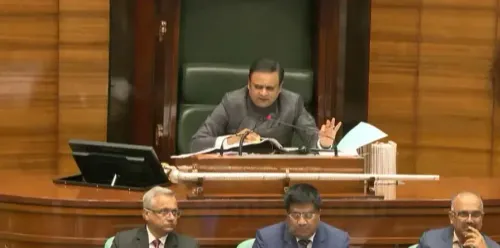
The ruling alliance criticized certain remarks made by Jitendra Awhad from NCP SP and demanded apologies for alleged insults directed towards Chhatrapati Shivaji Maharaj. Tensions escalated in the assembly, leading to a brief adjournment by Presiding Officer Sanjay Kelkar.
Upon reconvening, Speaker Rahul Narwekar stressed that no member should insult revered figures like Chhatrapati Shivaji Maharaj and instructed Awhad to apologize. However, members of the ruling alliance pressed for his suspension. Awhad expressed regret, but the ruling alliance insisted on a further apology. Following the Speaker's directive, he complied, and it was announced that Awhad’s statements deemed disrespectful would be removed from the official record.
Point of View
The debate surrounding the Maharashtra Freedom of Religion Bill reflects broader societal concerns about religious freedom and ethical practices. While the government emphasizes protection against coercion, critics raise valid questions about potential infringements on individual rights. A balanced approach is crucial as India navigates these complex issues.
NationPress
16 Oct 2026
Frequently Asked Questions
What is the purpose of the Maharashtra Freedom of Religion Bill?
The Bill aims to prevent religious conversions conducted through coercion, fraud, or inducement, ensuring that conversions are voluntary and legally verified.
How does the Bill affect individuals wishing to convert?
Individuals must inform authorized officials and follow a legal process to confirm that their conversion is voluntary before approval is granted.
What are the penalties for illegal conversions under this Bill?
The Bill proposes imprisonment of up to seven years and fines for those guilty of illegal conversions, with stricter penalties for cases involving vulnerable groups.
Does the Bill target specific religions?
No, the Bill applies equally to all religions and seeks to prevent coercion or inducement in the conversion process.
What concerns have been raised about the Bill?
Critics argue that the Bill may infringe on constitutional rights and raise safety issues for individuals wishing to convert, particularly due to the 60-day notice requirement.