Maharashtra Assembly to Discuss Freedom of Religion Bill: Strict Measures Against Coercive Conversions
Synopsis
The Maharashtra government is introducing the Freedom of Religion Bill 2026, aiming to address forced conversions with strict penalties. This legislative move seeks to protect vulnerable individuals and uphold personal choice in religious matters.
Key Takeaways
Maharashtra Freedom of Religion Bill 2026 aims to prevent forced conversions.
Individuals must notify authorities 60 days prior to conversion.
Legal validity requires registration within 25 days post-conversion.
Severe penalties include up to 7 years imprisonment and fines up to Rs 5 lakh.
Complaints can be filed by blood relatives if coercion is suspected.
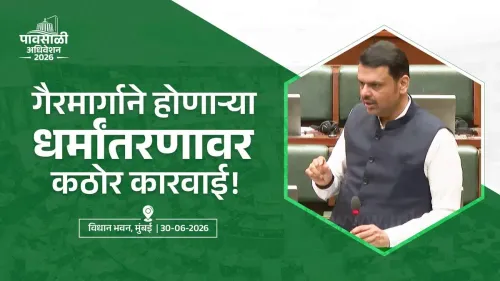
Mumbai, March 13 (NationPress) The Maharashtra state government is poised to introduce the Maharashtra Freedom of Religion Bill 2026 in the Legislative Assembly today, initiating measures to identify and penalize individuals and organized groups involved in ‘forced’ conversions.
This proposed legislation seeks to combat religious conversions that occur through coercion, deception, or enticing offers. The state cabinet approved the bill during a meeting on March 5, following a review by a special high-level committee.
The committee, led by the Director General of Police (DGP), was formed on February 14, 2025, to explore legal frameworks and create a robust system for addressing complaints related to unlawful conversions.
Upon receiving approval from both houses of the state legislature, the bill will be forwarded to the President for assent, becoming law once the presidential approval is granted.
The agenda released by the Maharashtra Legislative Secretariat indicates that the Bill will be tabled today in the assembly after the question hour.
This legislation outlines strict administrative requirements and criminal sanctions to ensure that conversions are based on personal choice rather than coercion.
As per the Bill's provisions, individuals wishing to convert must give a 60-day advance notice to district authorities. After the conversion, the change must be officially registered within 25 days to hold legal validity.
Moreover, the Bill allows blood relatives of the individual undergoing conversion to lodge a complaint if they suspect that the process involves coercion or inducement.
Section 14 grants the state the authority to prohibit and penalize organizations found guilty of facilitating or funding illegal conversions. Section 9 delineates the judicial repercussions for offenders, which may include imprisonment for up to 7 years and fines of up to Rs 5 lakh.
The government has asserted that this law is essential for protecting vulnerable individuals from predatory conversion tactics.
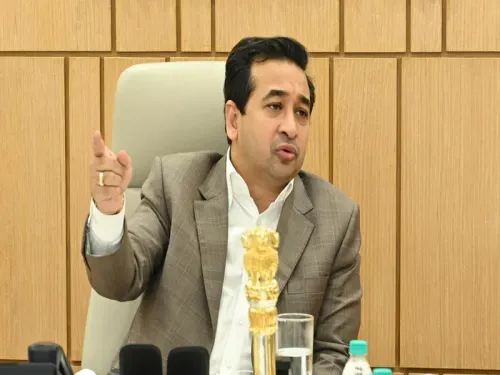
Ministers, including Ports and Shopping Minister Nitesh Rane, a staunch supporter of legislation against forced conversions, emphasized that while the Indian Constitution ensures the freedom to practice any religion, it does not permit converting others through misrepresentation, coercion, or inducement.
This legislation is part of a broader trend observed in other states such as Uttar Pradesh, Madhya Pradesh, and Gujarat, which have enacted similar Freedom of Religion laws over recent years.
Frequently Asked Questions
What does the Maharashtra Freedom of Religion Bill entail?
The bill aims to prevent forced, fraudulent, or alluring religious conversions, imposing strict penalties on violators and requiring advance notice for conversions.
What are the penalties for violating the new bill?
Offenders may face imprisonment of up to 7 years and fines reaching Rs 5 lakh for facilitating illegal conversions.
Who can file a complaint under this bill?
Blood relatives of a person undergoing conversion can file a complaint if they suspect coercion or inducement in the process.
When will the bill come into effect?
The bill will become law after approval from both houses of the state legislature and assent from the President.
How does this bill compare to similar laws in other states?
This bill aligns with similar 'Freedom of Religion' laws enacted in states like Uttar Pradesh, Madhya Pradesh, and Gujarat in recent years.