Maharashtra Legislative Council Approves Freedom of Religion Bill
Synopsis
The Maharashtra Legislative Council has passed the controversial Freedom of Religion Bill, 2026, sparking intense debate on its implications for religious freedoms and potential misuse. The Bill aims to prohibit coercive conversions yet raises concerns among opposition parties about its effects on specific communities.
Key Takeaways
The Maharashtra Freedom of Religion Bill aims to prevent coercive religious conversions.
It requires a 60-day notice for conversion ceremonies.
Opposition parties raise concerns about potential misuse against specific communities.
Penalties include up to seven years imprisonment for illegal conversions.
The Bill emphasizes safeguarding the rights of individuals while curbing coercive practices.
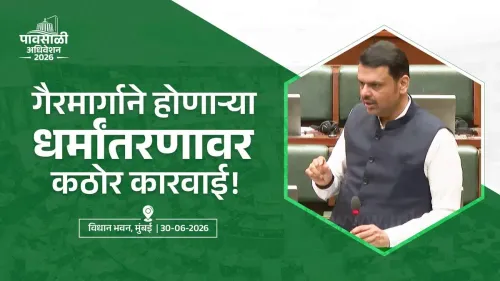
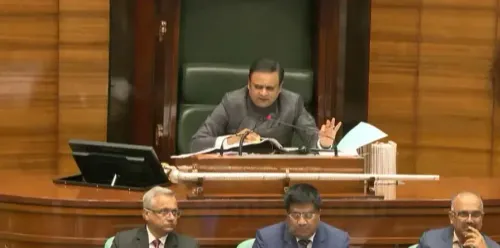
Mumbai, March 17 (NationPress) On Tuesday, the Maharashtra Legislative Council approved the Maharashtra Freedom of Religion Bill, 2026, amidst apprehensions voiced by both opposition and ruling members regarding potential abuse of its clauses by authorities or self-proclaimed guardians of faith.
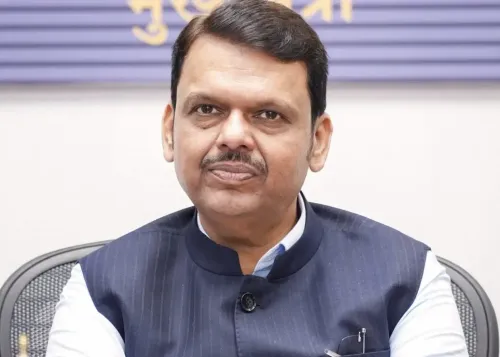
The government clarified that the primary aim of the Bill is to outlaw unlawful religious conversions conducted through methods such as force, coercion, inducement, misrepresentation, or any deceptive means.
This legislation faced opposition from the Congress and the Nationalist Congress Party (NCP), whereas the Uddhav Thackeray-led Shiv Sena (UBT) lent its support. The Council ratified the Bill just a day after it was passed by the Legislative Assembly following a vigorous discussion.
During the debate, Minister of State for Home Pankaj Bhoyar reassured that the Bill does not seek to infringe upon anyone's right to convert or limit a woman’s autonomy but aims solely to curtail coercive conversions.
He emphasized that the legislation is not targeting any specific religion and is applicable to all faiths.
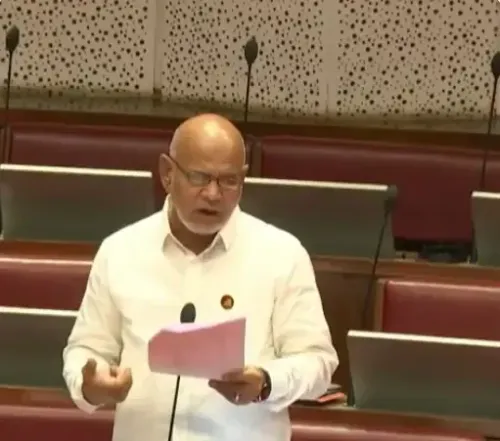
Congress MLC Bhai Jagtap, opposing the Bill, questioned its necessity, suggesting it seemed designed to penalize or target a specific community, arguing that coercive conversions are already addressed under current laws.
He expressed concerns that its provisions might undermine the constitutional framework.
BJP MLC Parinay Phuke defended the Bill as a measure to safeguard Hindus and prevent demographic shifts. He referenced population pressures faced by Europe from nations such as Pakistan, Iran, and Afghanistan, asserting that such laws are essential to protect the Hindu demographic.
Phuke also pointed out that the Bill was introduced by the “Hindu-wadi” Maharashtra government.
While the Shiv Sena (UBT) supported the Bill, its members Anil Parab and Sachin Ahir sought clarity on the events that necessitated its introduction and the previous actions taken.
Minister Bhoyar stated that a committee led by the DGP had thoroughly investigated the matter before drafting the Bill, yet he did not disclose the number of cases prompting its introduction.
He mentioned that despite existing provisions to address crimes involving coercion, there was a lack of an independent law specifically addressing conversions.
Independent MLC Satyajeet Tambe endorsed the Bill but warned that its enforcement should not adversely impact the youth or their right to love.
Tambe cautioned that the requirement for a 60-day notice prior to a conversion ceremony could lead to law-and-order challenges, and permitting objections could complicate processes.
He proposed that children born from disputed marriages should have the option to select their religion at the age of 18 instead of automatically following the mother’s faith.
According to the Bill, anyone wishing to convert, along with those organizing a conversion ceremony, must provide a 60-day advance notice to the district magistrate or an authorized official.
The authority will publicly post details of the planned conversion and invite objections within a 30-day timeframe.
The Bill mandates that both the converted individual and the organizer must submit a declaration within 21 days post-ceremony. It allows parents, siblings, or close relatives to file an FIR if they suspect an unlawful conversion, obligating the police to register such complaints.
The onus of proof is placed on the individual who facilitated or aided the conversion.
The Bill proposes stringent administrative measures and criminal penalties. Section 14 authorizes the state to ban and impose fines on organizations found guilty of facilitating or financing illegal conversions.
Section 9 allows for imprisonment of up to seven years and fines reaching Rs 5 lakh. The government insists that this law is crucial for safeguarding vulnerable individuals against predatory conversion practices.
Point of View
Critics warn of the potential for discrimination and misuse, highlighting the delicate balance between safeguarding rights and ensuring fairness.
NationPress
23 Sept 2026
Frequently Asked Questions
What does the Maharashtra Freedom of Religion Bill aim to achieve?
The Bill aims to prohibit unlawful religious conversions conducted through force, coercion, or deceptive means.
Who opposed the Freedom of Religion Bill?
The Congress and the Nationalist Congress Party (NCP) opposed the Bill, citing concerns about targeting specific communities.
What is the notice period required by the Bill before a conversion?
The Bill requires a 60-day notice to be submitted to the district magistrate or an authorized officer before a conversion can occur.
What penalties does the Bill impose for unlawful conversions?
The Bill proposes imprisonment of up to seven years and fines of up to Rs 5 lakh for those facilitating illegal conversions.
How does the Bill protect individuals from coercive conversions?
It mandates that the burden of proof lies on the person who caused or assisted the conversion, and allows families to lodge FIRs if they suspect unlawful activity.