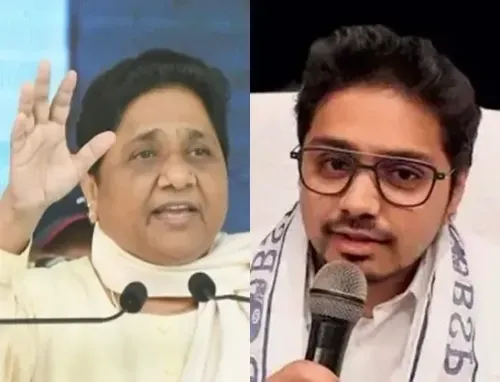
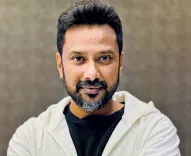
Mayawati appoints nephew Ishan Anand as BSP national Convener
Synopsis
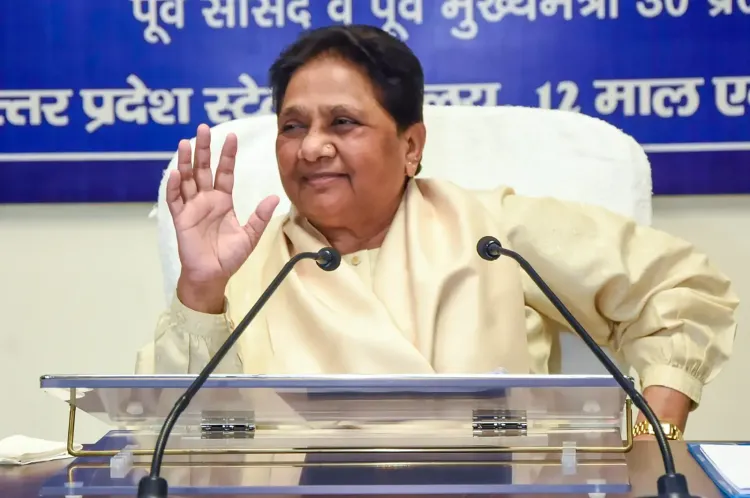
Mayawati appointed nephew Ishan Anand as BSP national convener at a Lucknow national meet — just weeks after sacking his brother Akash Anand from the party. Even as she defended the move by invoking Kanshi Ram's anti-nepotism legacy, the back-to-back family appointments raise pointed questions about whether the BSP's Ambedkarite identity can survive a dynastic drift.
Key Takeaways
Mayawati appointed nephew Ishan Anand as BSP national convener on 23 September 2026 at a national meeting in Lucknow .
Ishan Anand , a law graduate, had previously held and then lost an organisational role before being promised a 'respectable' position by Mayawati.
The appointment follows the removal of Mayawati's other nephew, Akash Anand , from the party in recent weeks.
Mayawati defended the decision by invoking Kanshi Ram's principle that the entire Bahujan Samaj was his family, distinguishing working in the party from holding positions based on personal interest.
The BSP was directed to contest Uttar Pradesh elections independently, build booth-level organisation, and target forming a government 'for the fifth time.' Mayawati alleged that poverty, unemployment and corruption under the BJP government had turned public hopes of 'good days' into despair.
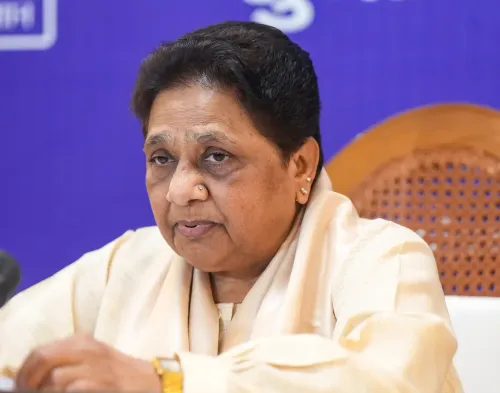
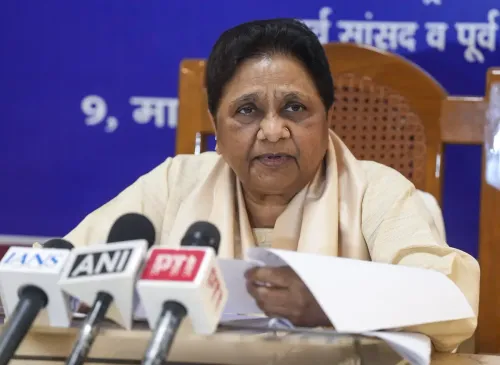
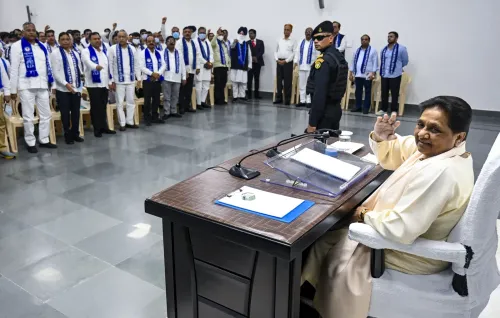
Bahujan Samaj Party (BSP) chief Mayawati on Wednesday, 23 September appointed her nephew Ishan Anand as the party's national convener at a national meeting in Lucknow, even as the decision drew fresh scrutiny over nepotism allegations against the party. The appointment came alongside directions from Mayawati to accelerate electoral preparations, particularly for Uttar Pradesh.
The Appointment and Its Context
Ishan Anand, a law graduate, expressed gratitude to Mayawati for the responsibility and pledged to work 'with complete honesty and dedication' to strengthen the party and advance the Bahujan movement. He said he would follow Mayawati's instructions and political path, paying homage to Dr B.R. Ambedkar and Kanshi Ram and describing the completion of their 'unfinished work of making the Bahujan Samaj self-reliant' as his top priority.
The appointment follows a turbulent period of organisational changes. Mayawati had earlier relieved her other nephew, Akash Anand, of party responsibilities and subsequently removed him from the party altogether. She had previously indicated that Ishan Anand — who had been given an organisational role before being removed — would be assigned a 'respectable' position once again.
Mayawati's Defence on Nepotism Charges
Addressing the nepotism controversy directly, Mayawati maintained that the BSP has always stood apart from dynastic politics, invoking party founder Kanshi Ram's principle that the 'entire Bahujan Samaj was his family.' She drew a distinction between family members working in the organisation and family members receiving positions based on personal interest, arguing that the former was acceptable while the latter was not.
Critics, however, argue that the successive appointments and removals of her two nephews within a short span contradict this stated principle. The optics of a family-driven organisational churn sit uneasily alongside a party whose identity rests on rejecting upper-caste patronage networks.
Electoral Roadmap for Uttar Pradesh
At the national meeting, Mayawati urged party workers to rise above personal attachments and focus on forming a government in Uttar Pradesh 'for the fifth time' with an absolute majority. She directed the party to contest elections independently, select strong candidates, and activate the organisation down to the booth level — regardless of whether the electoral contest shapes up as a direct fight, a three-way, or a four-way race.
She described the BSP's mission as achieving the 'master key' to political power through Baba Saheb Dr Bhimrao Ambedkar's policy of self-respect and self-esteem, stressing that the party's strength lay in the constitutional right to vote held by Dalits, tribals, backward classes, Muslims and other marginalised groups.
Attack on BJP Government
Mayawati also launched a sharp critique of the Bharatiya Janata Party (BJP) government, citing feedback gathered during the meeting. She alleged that people across Uttar Pradesh and the country were suffering from poverty, unemployment, backwardness, migration and corruption, and that hopes of 'good days' among ordinary citizens had curdled into despair.
She further alleged that the BJP's 'narrow, feudal, and casteist approach,' along with disputes over religious beliefs and a sense of neglect among the Brahmin community, had eroded the ruling party's support base. On economic matters, Mayawati raised concerns about GST, the UPI payment system, and the distribution of growth benefits, arguing that GDP gains were not reaching the poor in adequate measure. She called for thinking about a 'powerful India' rather than merely a 'developed India,' and questioned the persistence of institutional discrimination, citing cases of Dalit students dying by suicide in higher educational institutions.
What Comes Next
With Ishan Anand now holding the national convenorship, the BSP's organisational machinery is expected to shift into higher gear ahead of assembly elections. Whether the party can rebuild its ground-level cadre after years of electoral decline — and whether the nepotism narrative will undermine its Ambedkarite credibility among its core constituency — will be the defining questions in the months ahead.
Point of View
The churn signals internal organisational weakness: a party that has shed significant vote share over the past two assembly cycles is burning credibility on optics it cannot afford. Whether Ishan Anand's appointment arrests decline or accelerates it will depend far less on his law degree than on whether the BSP's booth-level cadre still believes the party's founding promise has not been compromised.
NationPress
23 Sept 2026
Frequently Asked Questions
Who is Ishan Anand and what is his new role in the BSP?
Ishan Anand is the nephew of BSP chief Mayawati and a law graduate who was appointed as the party's national convener on 23 September 2026 at a national meeting in Lucknow. He had previously held an organisational role in the party before being removed, after which Mayawati had indicated he would be given a 'respectable' responsibility once again.
Why are there nepotism allegations against Mayawati over this appointment?
The allegations stem from the fact that Mayawati has made successive appointments and removals involving her two nephews — Akash Anand and Ishan Anand — within a short span, even as she publicly argues the BSP stands apart from nepotism. Critics contend this contradicts the party's founding Ambedkarite principle of rejecting patronage-based politics.
What happened to Akash Anand, Mayawati's other nephew?
Akash Anand was earlier relieved of his party responsibilities and subsequently removed from the BSP entirely in recent weeks. His departure paved the way for Ishan Anand's return to an organisational role and eventual appointment as national convener.
What is the BSP's electoral strategy for Uttar Pradesh?
Mayawati directed the party at the 23 September meeting to contest Uttar Pradesh elections independently, select strong candidates, and activate organisation down to the booth level. She stated the BSP's goal was to form a government in the state for the fifth time with an absolute majority, regardless of whether the contest is direct, three-way, or four-way.
What did Mayawati say about the BJP government at the national meeting?
Mayawati alleged that the BJP government had failed to deliver on its promises, with people in Uttar Pradesh and across India suffering from poverty, unemployment, migration and corruption. She also alleged that the BJP's 'narrow, feudal, and casteist approach' had weakened its support base, and argued that GDP growth benefits were not reaching the poor in adequate measure.