CM Yogi to prioritise Aapda Mitra volunteers in Home Guard recruitment
Synopsis
Uttar Pradesh Chief Minister Yogi Adityanath announced on 19 July 2026 that Aapda Mitra volunteers will be prioritised in Home Guard recruitment and all Home Guards will receive mandatory Aapda Mitra training, deepening the state's community-to-force disaster-response integration.
Key Takeaways
Aapda Mitra volunteers will be given priority in future Uttar Pradesh Home Guard recruitment, per CM Yogi Adityanath's announcement on 19 July 2026 .
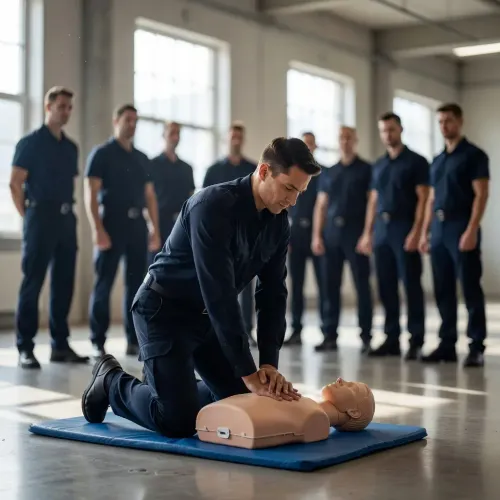
All Home Guards in Uttar Pradesh will be mandatorily trained under the Aapda Mitra scheme.
The Aapda Mitra scheme is an NDMA -led national programme launched in 2016 targeting a network of 1.6 lakh trained community disaster-response volunteers.
Uttar Pradesh 's state disaster-management plan had called for volunteer-Home Guard integration as far back as 2017–18 ; this announcement formalises that link.
Flood-prone Ganga basin districts are expected to be the primary beneficiaries of a larger pool of dual-trained first-responders.
Similar volunteer-force integration has been observed in Bihar , Assam , and Odisha under the same central scheme.
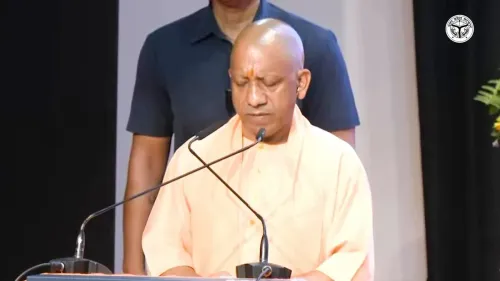
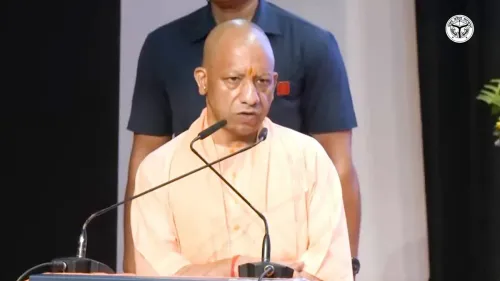
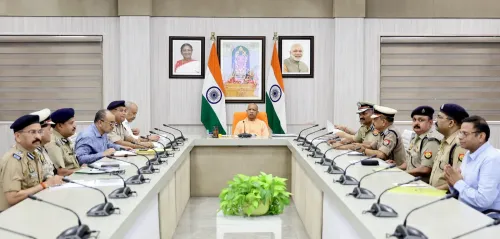
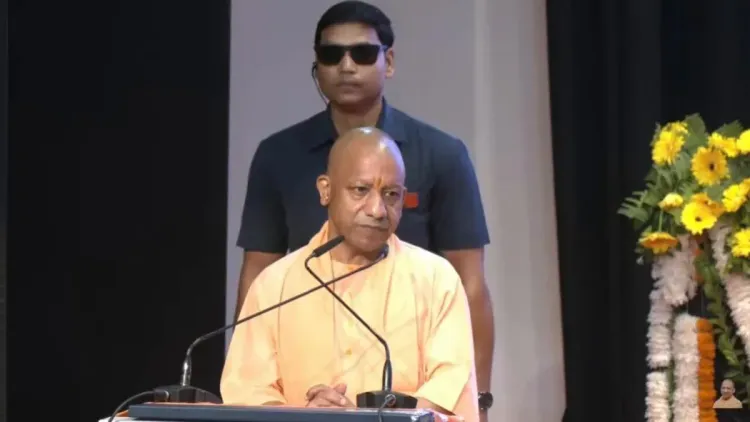
Uttar Pradesh Chief Minister Yogi Adityanath announced on Sunday, 19 July 2026 that candidates trained under the Aapda Mitra scheme will be given priority in Home Guard recruitment, and that all Home Guards will be mandatorily trained as Aapda Mitra volunteers. The twin directives signal a deeper integration of community disaster-response capacity into the state's auxiliary security force.
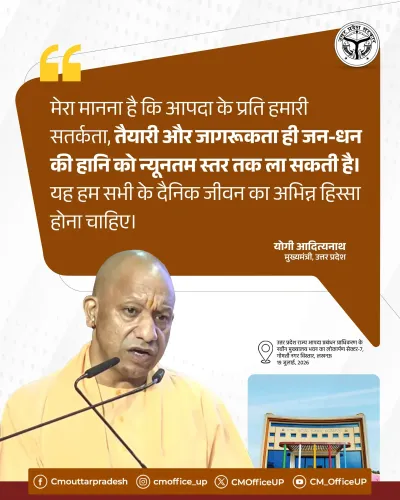
Posting on X, the Chief Minister stated — 'होमगार्ड की भर्ती में 'आपदा मित्र' को हम प्राथमिकता देंगे... होमगार्ड को अनिवार्य रूप से 'आपदा मित्र' की ट्रेनिंग भी दी जाएगी...' — which translates as: 'In Home Guard recruitment, we will give priority to Aapda Mitra... Home Guards will also be mandatorily given Aapda Mitra training.'
Context
The Aapda Mitra scheme is a national programme run by the National Disaster Management Authority (NDMA), originally launched in 2016 to build a network of 1.6 lakh trained community volunteers across the country in basic disaster response, search and rescue, and first aid. Uttar Pradesh has been a significant participant in the programme given its large population and exposure to annual flooding along the Ganga basin.
The Uttar Pradesh Home Guards are a state auxiliary security force under the Home Department. Their mandate covers law-and-order support, crowd management, and disaster relief duties — making them a natural institutional partner for a scheme like Aapda Mitra.
Policy Backdrop
Uttar Pradesh issued its first state disaster-management plan in 2017–18, which called for the integration of trained volunteers with Home Guards and the State Disaster Response Force (SDRF). CM Yogi Adityanath, in power since 2017, has consistently emphasised strengthening the state's disaster-response capacity, particularly in flood-prone districts.
The current announcement carries that policy lineage forward by making the linkage between Aapda Mitra certification and Home Guard service both formal and mandatory — a step beyond the earlier advisory integration envisaged in the 2017–18 plan. Similar convergence between community volunteer networks and formal auxiliary forces has been pursued in Bihar, Assam, and Odisha under the same central scheme.
Stakeholders and Impact
The announcement directly affects two groups: Aapda Mitra volunteers across Uttar Pradesh who now have a formal pathway into paid Home Guard service, and existing and prospective Home Guards who will be required to acquire disaster-response certification. For flood-affected districts in the Ganga basin — among the most disaster-vulnerable areas in the country — the policy promises a larger pool of first-responders who are both security-trained and disaster-certified.
Home Guard aspirants without prior Aapda Mitra training may face a competitive disadvantage in future recruitment cycles, while current personnel will need to complete mandatory certification, potentially reshaping training calendars for the force.
What's Next
The immediate watch-point is the publication of a formal government order detailing the priority criteria for Aapda Mitra candidates in the next Home Guard recruitment notification, along with a timeline and modality for mandatory Aapda Mitra certification for existing personnel. How the state coordinates with NDMA to scale up training infrastructure to meet the expanded demand will be a key implementation challenge. The announcement could also prompt other large states to consider similar integration under the national scheme.
Point of View
It serves a dual purpose: rewarding an existing cadre of community volunteers with a tangible career benefit while simultaneously upgrading the skill baseline of the Home Guard at relatively low cost to the state exchequer. The move also positions Uttar Pradesh as a model for other large, disaster-exposed states grappling with the same last-mile response gap. The real test will be in implementation — specifically whether training infrastructure can absorb the sudden spike in demand that mandatory certification for all Home Guards will create.
NationPress
20 Jul 2026
Frequently Asked Questions
What did CM Yogi Adityanath announce about Home Guard recruitment?
CM Yogi Adityanath announced on 19 July 2026 that candidates trained under the Aapda Mitra scheme will be given priority in Uttar Pradesh Home Guard recruitment, and that all Home Guards will be mandatorily trained as Aapda Mitra volunteers.
What is the Aapda Mitra scheme?
Aapda Mitra is a national volunteer programme run by the National Disaster Management Authority (NDMA), launched in 2016, that trains community members in basic disaster response, search and rescue, and first aid. It aims to build a network of 1.6 lakh trained volunteers across India.
Who are the Uttar Pradesh Home Guards?
The Uttar Pradesh Home Guards are a state auxiliary security force under the Home Department. They assist with law-and-order support, crowd control, and disaster relief duties across the state.
How does this announcement benefit Aapda Mitra volunteers in UP?
Aapda Mitra volunteers in Uttar Pradesh will now have a formal, prioritised pathway into paid Home Guard service, giving their disaster-response training direct career value.
Which districts in UP are most likely to benefit from this policy?
Flood-prone districts along the Ganga basin in Uttar Pradesh are expected to benefit most, as the policy will create a larger pool of first-responders who are both security-trained and disaster-certified.